

Daubenton’s Myotis (Myotis daubentonii)
Daubenton’s Myotis: A Comprehensive Guide to Myotis daubentonii Introduction Daubenton’s Myotis (Myotis daubentonii), a fascinating species of bat, is known
Daubenton’s Myotis (Myotis daubentonii) Read Post »
Mammals are a diverse group of warm-blooded animals characterized by hair or fur, live birth (with a few exceptions like the platypus and echidnas that lay eggs), and the ability to produce milk to nourish their young. There are around 6,800 mammal species in the world, ranging from tiny bumblebee bats weighing less than 2 grams to the enormous blue whale, the largest animal ever known to exist.
Mammals inhabit every continent and almost every environment — from arctic ice fields and vast deserts to dense rainforests and deep oceans. They play vital roles in ecosystems as predators, prey, seed dispersers, and ecosystem engineers. Many species are highly intelligent, social, and adaptable, which has allowed them to thrive in diverse habitats alongside humans.
This category highlights the fascinating world of mammals, exploring their diversity, behavior, habitats, and conservation challenges.
Daubenton’s Myotis: A Comprehensive Guide to Myotis daubentonii Introduction Daubenton’s Myotis (Myotis daubentonii), a fascinating species of bat, is known
Daubenton’s Myotis (Myotis daubentonii) Read Post »
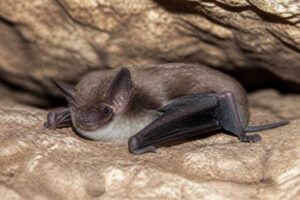
Introduction The Southwestern Myotis, scientifically known as Myotis auriculus, is a fascinating species of bat found primarily in the southwestern
Southwestern Myotis (Myotis auriculus) Read Post »
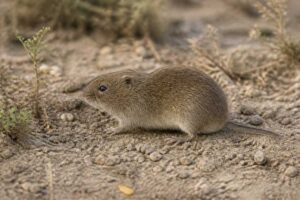
Introduction The Iranian Vole (Microtus irani) is a small, elusive rodent species that belongs to the family Cricetidae. This intriguing
Iranian Vole (Microtus irani) Read Post »
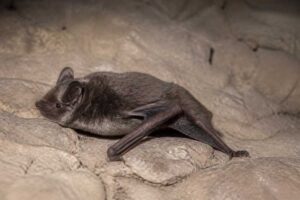
Introduction The Atacama Myotis, scientifically known as Myotis atacamensis, is a fascinating bat species that is part of the Vespertilionidae
Atacama Myotis (Myotis atacamensis) Read Post »
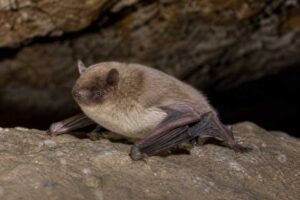
Introduction Armién’s Myotis (Myotis armiensis) is a fascinating yet little-known species of bat within the family Vespertilionidae, commonly referred to
Armién’s Myotis (Myotis armiensis) Read Post »
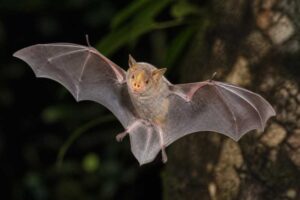
Gilded Tube-nosed Bat (Murina rozendaali) Introduction The Gilded Tube-nosed Bat, scientifically known as Murina rozendaali, is a fascinating species of
Gilded Tube-nosed Bat (Murina rozendaali) Read Post »
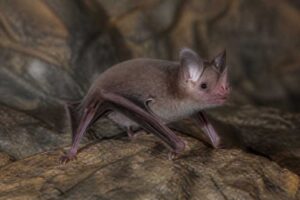
Introduction The Medog Tube-nosed Bat, scientifically known as Murina medogensis, is a fascinating mammal that belongs to the family Vespertilionidae.
Medog Tube-nosed Bat (Murina medogensis) Read Post »
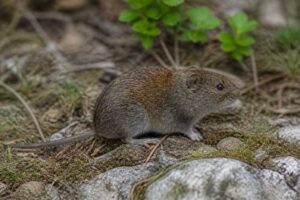
Introduction The Calabria Pine Vole (Microtus brachycercus) is a fascinating rodent species endemic to the Calabria region in southern Italy.
Calabria Pine Vole (Microtus brachycercus) Read Post »
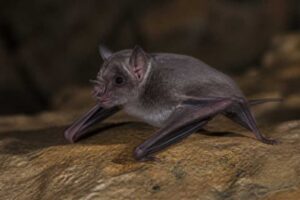
Introduction The Hkakabo Razi Tube-nosed Bat, scientifically named Murina hkakaboraziensis, is a unique and elusive mammal species that has captivated
Hkakabo Razi Tube-nosed Bat (Murina hkakaboraziensis) Read Post »
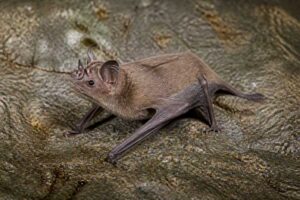
Introduction The Dusky Tube-nosed Bat, scientifically known as Murina fusca, is a fascinating species of bat that belongs to the
Dusky Tube-nosed Bat (Murina fusca) Read Post »
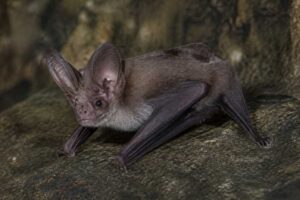
Introduction The Cuban Greater Funnel-eared Bat, scientifically known as Natalus primus, is a fascinating and rare species endemic to Cuba.
Cuban Greater Funnel-eared Bat (Natalus primus) Read Post »

Introduction The Alpine Vole (Alexandromys alpinus) is a fascinating small mammal that inhabits the mountainous regions of Eastern Siberia. Known
Alpine Vole (Alexandromys alpinus) Read Post »