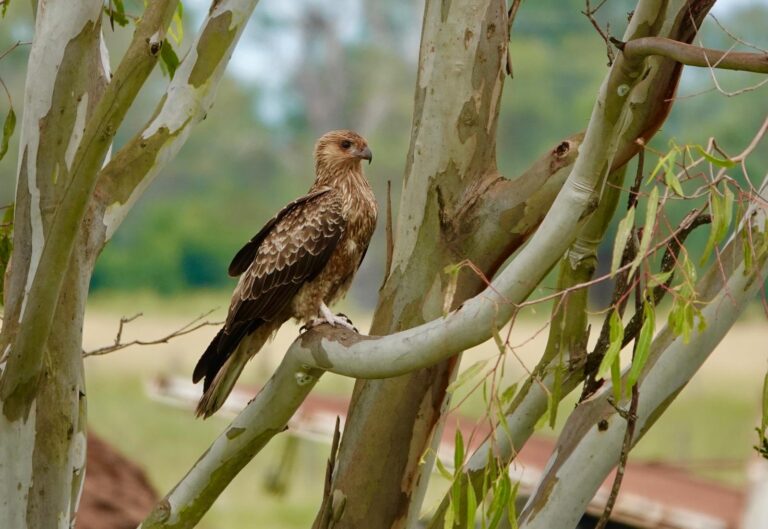
The Enigmatic White-eared Night Heron: A Conservation Marvel
The White-eared Night Heron, scientifically known as Oroanassa magnifica, is one of the most mysterious and elusive birds found in the subtropical regions of East Asia. Its captivating allure is matched only by its rarity, making it a subject of fascination for ornithologists and bird enthusiasts worldwide. This article delves into the habitat, behavior, and ongoing conservation efforts surrounding this remarkable avian species.
Habitat and Distribution
The White-eared Night Heron primarily inhabits dense, subtropical forests near water bodies in southeastern China and northeastern Vietnam. These regions provide the ideal environment for the heron, with abundant aquatic life and ample vegetation offering both food and cover. The bird’s preference for secluded, wetland environments has made it difficult to observe in the wild, contributing to its enigmatic reputation.
Historically, the range of the White-eared Night Heron extended more widely, but habitat destruction and other anthropogenic factors have significantly reduced its distribution. Today, sightings are rare, and the species is listed as "Endangered" by the International Union for Conservation of Nature (IUCN).
Physical Characteristics
The White-eared Night Heron is a medium-sized bird, measuring approximately 50 to 60 centimeters in length. It is easily identifiable by its striking plumage: a dark crown and back contrasted by white ear patches, which give the species its name. The underparts are a lighter gray, and the legs and beak are a distinctive yellowish-green.
Males and females are similar in appearance, although males can be slightly larger. Juveniles exhibit a more mottled plumage, which gradually transforms into the adult’s more defined coloration as they mature.
Behavior and Diet
As a nocturnal bird, the White-eared Night Heron is most active during twilight and nighttime hours. It employs a stealthy approach to hunting, often standing motionless before striking its prey with precision. Its diet primarily consists of fish, amphibians, and small invertebrates found in shallow waters.
The heron’s elusive nature and nocturnal habits make behavioral studies challenging, but it is known to be a solitary bird, except during the breeding season. During this time, pairs may be seen together in search of suitable nesting sites, which are typically located in dense vegetation near water sources.
Breeding and Reproduction
Breeding occurs between April and July, during which time the White-eared Night Heron constructs a nest from twigs and other plant materials. The nests are usually situated high in trees to protect the eggs and chicks from predators.
A typical clutch consists of two to four eggs, which are incubated by both parents for about 25 to 30 days. After hatching, the chicks are cared for by both parents, who feed them regurgitated food. Fledging occurs approximately six weeks after hatching, though the young birds may remain dependent on their parents for some time afterward.
Conservation Challenges
The survival of the White-eared Night Heron faces several significant challenges. Habitat destruction due to deforestation and wetland drainage for agricultural and urban development poses the most severe threat. Additionally, pollution and human disturbance further exacerbate the decline of their natural habitats.
Conservationists are working tirelessly to address these issues through habitat protection and restoration initiatives. Efforts to raise awareness about the heron and its plight are also crucial, as increased public interest can drive support for conservation policies and funding.
Conservation Initiatives
Several conservation organizations are actively involved in the preservation of the White-eared Night Heron. These efforts include establishing protected areas, conducting research to better understand the species’ ecology, and engaging local communities in conservation activities.
Ecotourism has also been identified as a potential tool for conservation, providing economic incentives for local communities to preserve habitats while offering birdwatchers a chance to observe this rare species in its natural environment. However, care must be taken to ensure that ecotourism is managed sustainably to avoid disturbing the heron’s habitat.
Conclusion
The White-eared Night Heron is a testament to nature’s splendor and fragility. Its survival depends on concerted conservation efforts and the collective will to protect its dwindling habitats. While the challenges are significant, the commitment of conservationists and the potential for public support offer hope for the future of this magnificent species. By safeguarding the White-eared Night Heron, we contribute not only to the preservation of biodiversity but also to the health of the ecosystems upon which we all depend.
Related posts