Birding Made Simple
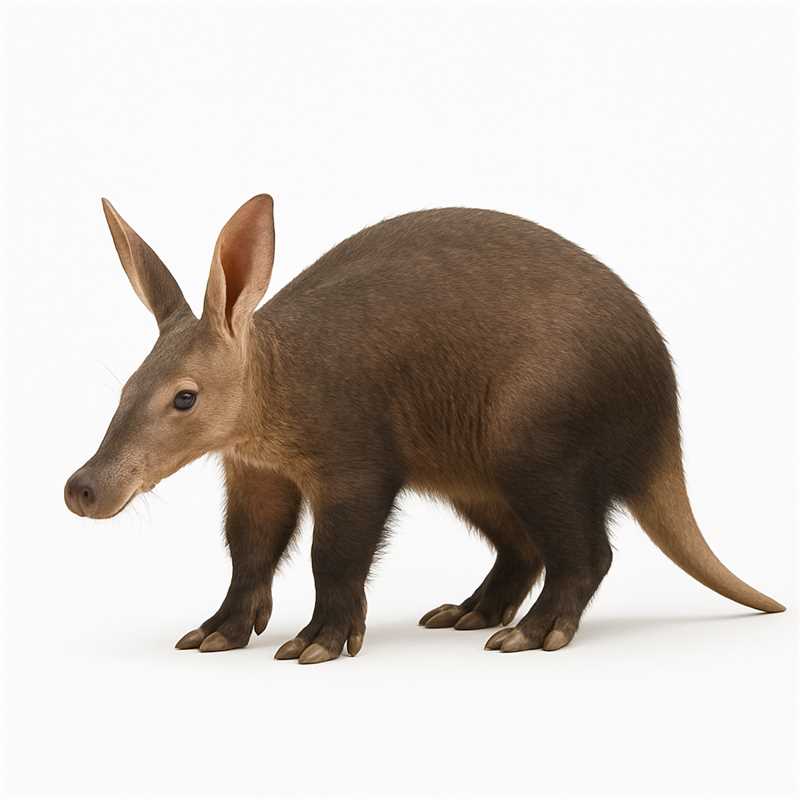
The Aardvark, belonging to the mammal family Orycteropodidae, is a unique nocturnal creature native to Africa. Known for its distinctive long ears, pig-like snout, and powerful claws, the aardvark is adept at burrowing and primarily feeds on ants and termites. Despite its pig-like appearance, it is not related to pigs but is instead the only living species of its family. The aardvark plays a crucial role in the ecosystem by controlling insect populations and providing burrows for other animals.
The aardwolf, a fascinating member of the Hyaenidae family, is a unique mammal native to the grasslands of Eastern and Southern Africa. Unlike its carnivorous hyena relatives, the aardwolf primarily feeds on termites, using its long sticky tongue to extract them from mounds. Nocturnal by nature, it spends daylight hours in burrows to avoid predators and the scorching sun. This solitary animal is recognized for its distinctive mane and bushy tail, which it uses for communication and defense. Though often misunderstood, the aardwolf plays a crucial role in controlling termite populations, showcasing the diverse survival strategies within the Hyaenidae family.
The addax, a member of the mammal family, is a critically endangered species native to the Saharan desert. Known for their striking spiral horns, addaxes are uniquely adapted to their harsh environment, capable of surviving without free-standing water by deriving moisture from the vegetation they consume. These antelopes have a pale coat that reflects sunlight and helps regulate their body temperature. The addax's dwindling population is primarily due to habitat loss and poaching, prompting conservation efforts to protect this remarkable species.
The Agouti mammal family, scientifically known as Dasyproctidae, consists of several species of rodents native to Central and South America. These medium-sized mammals are characterized by their slender bodies, long legs, and short ears. Agoutis are known for their remarkable ability to run swiftly, which helps them evade predators. They play a crucial role in their ecosystems by dispersing seeds and thus aiding in forest regeneration. Typically, agoutis are shy creatures, often found in dense forests where they forage for fruits, nuts, and seeds. Their presence is vital for maintaining the ecological balance in the regions they inhabit.
The Akodont family, belonging to the subfamily Sigmodontinae, encompasses a diverse group of small rodents native to South America. These mammals are primarily found in grasslands, forests, and mountainous regions, where they play a crucial role in the ecosystem as seed dispersers and prey for various predators. Characterized by their stout bodies, short limbs, and long, dense fur, Akodonts are well-adapted to their environments. They exhibit a wide range of behaviors and dietary preferences, contributing to their evolutionary success across the continent.
The Ampurta, also known as the crest-tailed mulgara, is a fascinating member of the Dasyuridae family, native to the arid regions of Australia. This small, carnivorous marsupial is renowned for its distinctive crested tail and its ability to thrive in harsh desert environments. The Ampurta is primarily nocturnal, using its acute sense of smell and hearing to hunt for insects and small vertebrates during the cool desert nights. Its ability to conserve water and maintain a low metabolic rate allows it to survive in areas with scarce water resources. Despite their resilience, Ampurtas face threats from habitat destruction and introduced predators, making conservation efforts crucial for their continued survival.
Loading...