Introduction
The Alpine Vole (Alexandromys alpinus) is a fascinating small mammal that inhabits the mountainous regions of Eastern Siberia. Known for its resilience in cold environments and its crucial role in the ecosystem, the Alpine Vole is a subject of interest both for scientists and nature enthusiasts. This article aims to provide comprehensive insights into the various aspects of the Alpine Vole, including its physical description, habitat, behavior, conservation status, and identification tips.
Physical Description
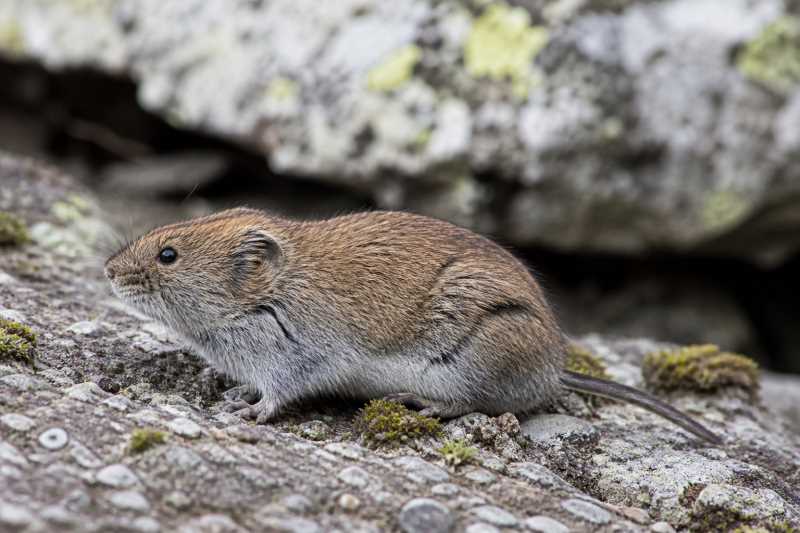
The Alpine Vole is a small rodent, typically measuring between 12 to 15 centimeters in length, with a tail that adds another 3 to 4 centimeters. It has a compact, cylindrical body covered with dense, soft fur, providing effective insulation against the cold alpine climate. The coloration of the Alpine Vole varies from grayish to brown, allowing it to blend seamlessly into its surroundings, thereby offering camouflage from predators. Its underbelly is usually lighter, ranging from off-white to light gray.
The vole’s ears are small and rounded, almost hidden within its fur, which helps reduce heat loss. Its eyes are also relatively small, adapted to minimal light conditions, and its whiskers are long, aiding in navigation and spatial awareness in the dense vegetation of its habitat.
Range and Habitat
The Alpine Vole is predominantly found in the mountainous regions of Eastern Siberia, extending from the Altai Mountains to parts of Mongolia and Kazakhstan. These voles prefer cold, alpine environments, thriving at elevations ranging from 1,500 to 3,000 meters above sea level.
Their habitats are characterized by rocky terrain interspersed with patches of grass, sedges, and mosses. These areas provide both food and protection from predators. The Alpine Vole is also known to inhabit meadows and forest edges, where it can find ample cover and food sources. The harsh climate of these regions, with long winters and short growing seasons, has shaped the Alpine Vole’s adaptations and behavior.
Behavior and Diet
Alpine Voles are primarily herbivorous, with a diet consisting of grasses, sedges, and other alpine vegetation. During the warmer months, they are active foragers, storing food to prepare for the harsh winter. Their diet may also include seeds, roots, and occasionally insects, providing essential nutrients.
These voles are known for their burrowing behavior, creating complex underground networks that serve as protection against predators and harsh weather. They are typically active during dawn and dusk, a behavior known as crepuscular activity, which helps them avoid predation.
Socially, Alpine Voles are relatively solitary, although they may be found in small family groups. They communicate using a variety of sounds and scents, ensuring they can alert each other to danger or mark territory.
Identification Tips (Field Recognition Cues)
Identifying an Alpine Vole in the wild can be challenging due to its size and camouflage abilities. However, there are a few key characteristics to look out for:
- Size and Shape: Look for a small, cylindrical rodent with a short tail.
- Fur Color: Observing the color of the fur, which ranges from grayish to brown with a lighter underbelly, can be a distinguishing factor.
- Ears and Eyes: Their small, rounded ears and small eyes are adapted to their cold, alpine environment.
- Behavior: Watching for crepuscular activity and burrowing behaviors can help in identifying these voles.
Conservation Status (With Threats and Protections)
The Alpine Vole currently holds a conservation status of ‘Least Concern’ according to the International Union for Conservation of Nature (IUCN). However, there are specific threats that could impact their populations, including climate change, habitat destruction, and competition with invasive species.
Climate change poses a significant risk as it can alter the vole’s alpine habitat, affecting both food availability and shelter. Human activities, such as mining and forestry, can lead to habitat destruction, further threatening their survival.
Conservation efforts focus on habitat preservation and monitoring population trends. Protected areas in regions like the Altai Mountains help safeguard the vole’s natural habitat, although more research is needed to fully understand and mitigate potential threats.
Frequently Asked Questions
What adaptations help the Alpine Vole survive in cold climates? The Alpine Vole has dense, insulating fur and a compact body to retain heat. Its burrowing habits also protect it from harsh weather.
How does the Alpine Vole contribute to its ecosystem? As herbivores, Alpine Voles play a crucial role in seed dispersion and aerating the soil through their burrowing activities, which benefits plant growth.
What are the main predators of the Alpine Vole? Predators include birds of prey, such as eagles and hawks, as well as carnivorous mammals like foxes and weasels.
How can climate change affect the Alpine Vole’s habitat? Climate change can lead to habitat loss by altering vegetation patterns and reducing the availability of food resources in alpine regions.
Is the Alpine Vole a solitary or social animal? Alpine Voles are generally solitary but may form small family groups. They communicate through sounds and scents to interact and establish territories.
Related posts