Introduction
The Southwestern Myotis, scientifically known as Myotis auriculus, is a fascinating species of bat found primarily in the southwestern United States and parts of Mexico. Known for their distinctively large ears and agile flight, these bats play a crucial role in their ecosystems by controlling insect populations. Their nocturnal habits and elusive nature have made them a subject of intrigue for researchers and wildlife enthusiasts alike. This article delves into various aspects of the Southwestern Myotis, from their physical characteristics to their conservation status, offering a comprehensive overview of this remarkable species.
Physical Description
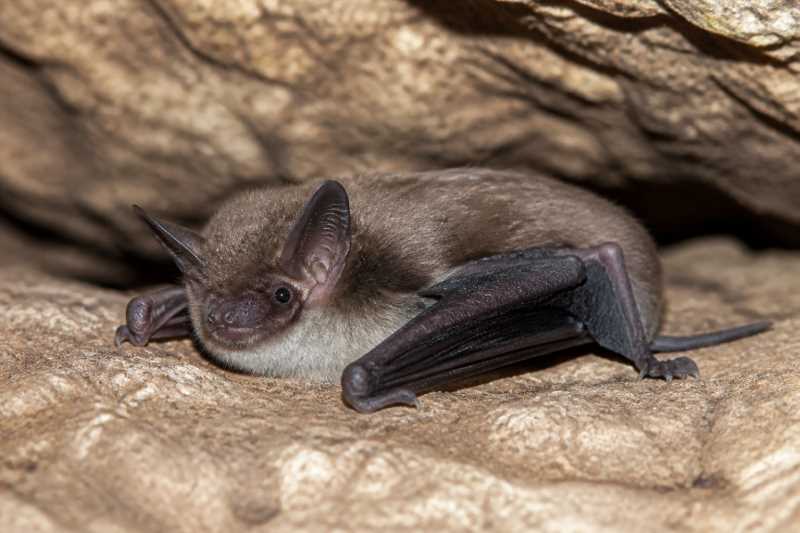
The Southwestern Myotis is a medium-sized bat characterized by its notably large ears, which are often longer than its head. These ears are a key feature that aids in echolocation, allowing the bat to navigate and hunt effectively in the dark. Their fur is typically dark brown to reddish-brown, providing excellent camouflage among the trees and rocky cliffs they inhabit. The underbelly is usually a lighter, buff color. The wings are relatively long and narrow, adapted for swift, agile flight. On average, the Southwestern Myotis has a wingspan of about 10 to 12 inches and weighs between 8 to 12 grams.
Range and Habitat
The range of the Southwestern Myotis extends through the southwestern United States, including Arizona, New Mexico, and Texas, and into parts of northern and central Mexico. They prefer habitats that offer a mix of woodland and open spaces, such as forests, scrublands, and desert fringes. These bats are often found roosting in crevices in rocky cliffs, under loose tree bark, and occasionally in man-made structures like abandoned buildings and barns. The choice of roosting sites is critical for their survival, providing protection from predators and harsh weather conditions.
Behavior and Diet
Southwestern Myotis are nocturnal creatures, emerging at dusk to forage for food. Their diet primarily consists of insects, including moths, beetles, and various flying insects, making them important natural pest controllers. They use echolocation to detect and capture prey in flight, emitting high-frequency sounds that bounce off objects and return to their highly sensitive ears. This sophisticated hunting method allows them to efficiently locate food even in total darkness.
These bats are known for their colonial roosting behavior, often forming colonies ranging from a few dozen to several hundred individuals. During the day, they rest in their roosts, conserving energy for the night’s activities. Mating typically occurs in the fall, with females storing sperm over the winter and giving birth to a single pup in late spring or early summer.
Identification Tips
Field identification of the Southwestern Myotis can be challenging due to their nocturnal habits and the presence of similar species within their range. However, certain features can aid in their recognition:
- Large Ears: Their ears are a standout feature, often extending beyond the nose when laid forward.
- Fur Color: Look for the dark brown to reddish-brown fur, with a noticeably lighter underbelly.
- Flight Pattern: Observing their flight at dusk can provide clues; they exhibit agile and rapid flight patterns, often close to vegetation where insects are abundant.
- Roosting Sites: During the day, search for them in rocky crevices or under tree bark in suitable habitats.
Conservation Status
The Southwestern Myotis is currently listed as Least Concern by the International Union for Conservation of Nature (IUCN). However, they face several threats that could impact their populations in the future. Habitat destruction and fragmentation due to urban development and agriculture pose significant risks. Additionally, the spread of White-nose Syndrome, a fungal disease affecting bat populations, could potentially threaten this species.
Conservation efforts are focused on habitat preservation and research into disease mitigation. Protecting roosting sites and maintaining natural habitats are crucial for their continued survival. Organizations and researchers are actively monitoring populations to ensure early detection of potential threats.
Frequently Asked Questions
1. What is the primary diet of the Southwestern Myotis?
The Southwestern Myotis primarily feeds on insects, including moths, beetles, and various flying insects. They use echolocation to hunt efficiently at night.
2. Where can the Southwestern Myotis be found?
They are typically found in the southwestern United States, including Arizona, New Mexico, and Texas, and in parts of northern and central Mexico, preferring mixed woodland and open habitats.
3. How does the Southwestern Myotis contribute to the ecosystem?
By feeding on insects, the Southwestern Myotis helps control pest populations, contributing to the balance of ecosystems and reducing the need for chemical pest control.
4. What are the main threats to the Southwestern Myotis?
The primary threats include habitat destruction, urban development, agricultural expansion, and the potential spread of White-nose Syndrome.
5. How can I identify a Southwestern Myotis in the wild?
Look for their large ears, dark brown to reddish-brown fur, and agile flight patterns at dusk. They are often found roosting in rocky crevices or under tree bark.
Related posts