Introduction
The Atacama Myotis, scientifically known as Myotis atacamensis, is a fascinating bat species that is part of the Vespertilionidae family. This small yet intriguing mammal is named after the Atacama Desert, one of the driest places on earth, signifying its unique adaptation to arid environments. While not as well-known as some of its relatives, the Atacama Myotis plays a crucial role in its ecosystem, particularly in pest control and pollination. Understanding this elusive species is crucial for conservation efforts, especially as environmental changes continue to impact its natural habitats.
Physical Description
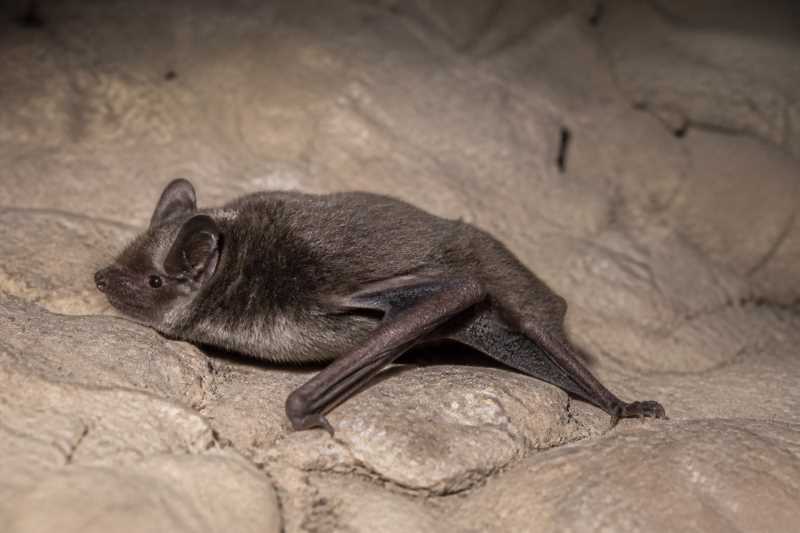
The Atacama Myotis is a small bat, with a wingspan ranging from 20 to 25 centimeters and a body length of approximately 4 to 5 centimeters. Its fur is soft and dense, typically exhibiting a dark brown to black coloration on the back, with a slightly lighter hue on the underside. This color pattern provides effective camouflage against the rocky and arid landscapes of its habitat. The Atacama Myotis has a relatively short snout, small eyes, and large, rounded ears that aid in its echolocation abilities. These physical adaptations are essential for navigating and hunting in the dimly lit environments it often inhabits.
Range and Habitat
The Atacama Myotis is predominantly found in the western regions of South America, particularly in Chile and southern Peru. It inhabits the Atacama Desert, one of the most inhospitable regions on the planet, characterized by extreme temperatures, minimal rainfall, and sparse vegetation. Despite these harsh conditions, the Atacama Myotis thrives by roosting in rock crevices, caves, and abandoned buildings, where it finds shelter from predators and extreme weather. In addition to deserts, this species can also be found in nearby scrublands and coastal areas, where it exploits the diverse insect populations for food.
Behavior and Diet
The Atacama Myotis is primarily nocturnal, emerging at dusk to feed on a variety of insects, including moths, beetles, and flies. Its diet is a testament to its role as a natural pest controller, helping to maintain ecological balance by regulating insect populations. To catch its prey, the Atacama Myotis employs echolocation, emitting high-frequency sound waves that bounce off objects and return as echoes, allowing the bat to navigate and hunt with precision even in complete darkness.
Socially, the Atacama Myotis is known to form small colonies, often consisting of a few dozen individuals. These colonies are essential for mutual protection and warmth, particularly during colder months when temperatures can drop significantly. Mating typically occurs in the fall, with females giving birth to a single pup after a gestation period of about 50 to 60 days. The young are weaned after six weeks and are capable of flight shortly thereafter.
Identification Tips
Identifying the Atacama Myotis in the field requires keen observation and an understanding of its distinguishing features. Here are some tips for recognizing this species:
- Size and Shape: Look for a small bat with a wingspan of 20 to 25 centimeters and a compact body.
- Fur Color: Note the dark brown to black fur on the back and slightly lighter underparts, which provide camouflage against rocky terrain.
- Ear Shape: Observe the large, rounded ears, which are distinctive and aid in echolocation.
- Behavior: Watch for their emergence at dusk, as they are nocturnal and begin feeding activities during this time.
- Roosting Habits: Check rock crevices, caves, and abandoned buildings for colonies of these bats.
Conservation Status
Currently, the Atacama Myotis is not listed as a threatened species on the IUCN Red List. However, it faces various environmental pressures that could impact its population in the future. Key threats include habitat destruction due to mining activities, pollution, and climate change, which can alter the availability of prey and suitable roosting sites. Conservation efforts are focused on habitat protection and monitoring population trends to ensure this species remains stable.
Protected areas within its range offer some refuge, but increasing awareness and research are necessary to understand the full extent of threats and implement effective conservation strategies. Collaboration between governments, conservation organizations, and local communities is essential to safeguard the Atacama Myotis and its habitat.
Frequently Asked Questions
What is the primary diet of the Atacama Myotis?
The Atacama Myotis primarily feeds on insects, including moths, beetles, and flies. This diet makes it an important natural pest controller in its ecosystem.
Where can the Atacama Myotis be found?
This species is mainly found in the Atacama Desert and surrounding regions in Chile and southern Peru. It inhabits rock crevices, caves, and abandoned buildings.
How does the Atacama Myotis navigate and hunt?
The Atacama Myotis uses echolocation to navigate and hunt. It emits high-frequency sound waves that bounce off objects, allowing it to detect prey and obstacles in the dark.
What are the conservation concerns for the Atacama Myotis?
While not currently endangered, the Atacama Myotis faces threats from habitat destruction, pollution, and climate change. Conservation efforts focus on habitat protection and monitoring.
How can the Atacama Myotis be identified in the field?
Look for its small size, dark brown to black fur, large rounded ears, and nocturnal behavior. It often roosts in rock crevices and caves.
Related posts