Introduction
The Dusky Tube-nosed Bat, scientifically known as Murina fusca, is a fascinating species of bat that belongs to the Vespertilionidae family. These bats are notable for their distinctive nose structure and their elusive nature, which make them a subject of interest for many researchers and wildlife enthusiasts. Despite their small size, Dusky Tube-nosed Bats play a significant role in their ecosystem, primarily through insect control. Due to their unique characteristics and ecological importance, understanding the Dusky Tube-nosed Bat is essential for both scientific knowledge and conservation efforts.
Physical Description
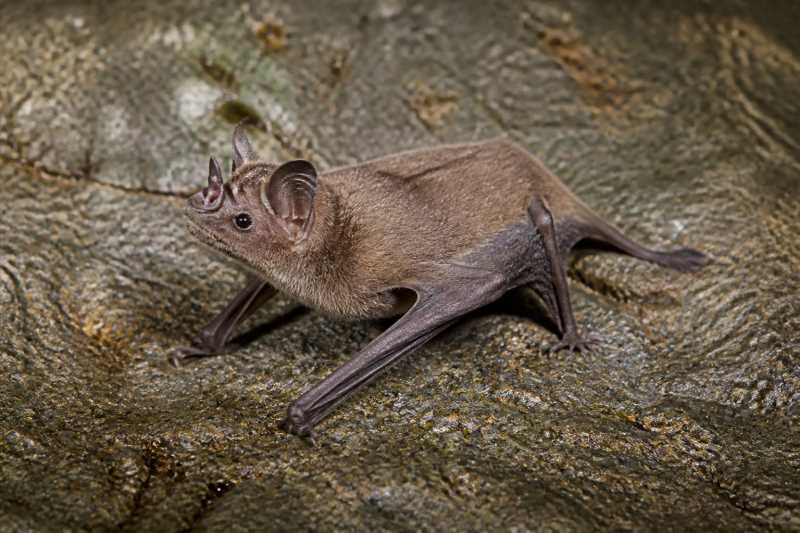
The Dusky Tube-nosed Bat is a small bat species distinguished by its unique tubular nostrils, which are a defining feature of the Murina genus. These nostrils are thought to play a role in their echolocation abilities, aiding in navigation and prey detection. Typically, the Dusky Tube-nosed Bat has a body length ranging from 40 to 50 mm, with a wingspan of approximately 250 mm. The fur is generally a dusky brown color, providing effective camouflage among the tree bark and leaves in their natural habitat.
Their wings are long and narrow, adapted for maneuverability among dense foliage. The ears are relatively large compared to their head size, which enhances their ability to detect high-frequency sounds used in echolocation. The Dusky Tube-nosed Bat’s eyes are small, indicating a reliance on auditory senses over visual cues.
Range and Habitat
The Dusky Tube-nosed Bat is primarily found in Southeast Asia, with sightings recorded in countries such as Vietnam, Thailand, and parts of China. They inhabit tropical and subtropical forests, often residing in high-altitude regions where their preferred microhabitats are abundant.
These bats rely on forested environments that provide ample roosting sites and a rich supply of insects. They are known to roost in tree hollows, under bark, and sometimes in man-made structures. The preservation of these habitats is crucial for their survival, making the conservation of forested landscapes a priority for their continued existence.
Behavior and Diet
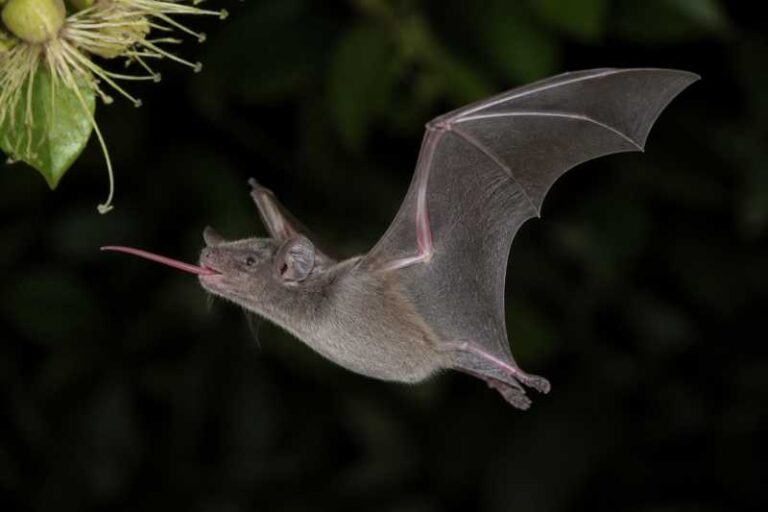
Dusky Tube-nosed Bats are nocturnal, emerging at dusk to forage for food. Their diet primarily consists of small insects, including moths and beetles, which they capture in flight using their adept echolocation skills. The bat’s echolocation calls are high-pitched and often beyond the range of human hearing, allowing them to detect and capture prey with remarkable precision.
Social behavior in Dusky Tube-nosed Bats varies, but they are typically seen roosting in small groups. These groups can consist of family units or individuals seeking safety in numbers from predators. During the night, they are solitary hunters, using their agility and speed to navigate through their forest habitat.
Identification Tips (Field Recognition Cues)
Identifying the Dusky Tube-nosed Bat in the field can be challenging due to their small size and nocturnal habits. However, there are several key features to look for:
- Nasal Structure: The tubular nostrils are a distinctive feature that sets them apart from other bat species.
- Coloration: Their dusky brown fur blends well with the forest environment, but under close observation, this can be a helpful identifying trait.
- Flight Pattern: Observing their flight, which is often erratic and fast, can indicate their presence.
- Echolocation Calls: Using a bat detector to listen for their ultrasonic calls can aid in identification.
Conservation Status (With Threats and Protections)
The Dusky Tube-nosed Bat is currently listed as "Near Threatened" on the IUCN Red List. The primary threats to their survival include habitat loss due to deforestation, agricultural expansion, and urbanization. The decline in suitable roosting and foraging sites poses a significant risk to their populations.
Conservation efforts focus on habitat preservation and restoration. Protecting large areas of forest and ensuring connectivity between habitats are essential strategies. Additionally, raising awareness about the ecological role of bats and reducing human-wildlife conflict can contribute to their conservation.
Frequently Asked Questions
Why is this species unique?
The Dusky Tube-nosed Bat is unique due to its tubular nostrils, which are uncommon among bats. This feature, along with its specialized ecological niche and role in insect population control, makes it a distinctive species within its range.
What do Dusky Tube-nosed Bats eat?
They primarily consume small insects such as moths and beetles. Their diet makes them important for maintaining the ecological balance by controlling insect populations.
Where can these bats be found?
They are typically found in Southeast Asia, inhabiting tropical and subtropical forests in countries like Vietnam, Thailand, and China. They prefer high-altitude regions with abundant roosting sites.
How do they contribute to the ecosystem?
Dusky Tube-nosed Bats play a crucial role in controlling insect populations, which helps maintain ecological balance. Their presence indicates a healthy, functioning ecosystem.
What are the main threats to their survival?
The main threats include habitat loss due to deforestation, agricultural expansion, and urbanization. Conservation efforts are focused on preserving and restoring their natural habitats.
Related posts