Introduction
The Hkakabo Razi Tube-nosed Bat, scientifically named Murina hkakaboraziensis, is a unique and elusive mammal species that has captivated the interest of researchers and conservationists alike since its discovery. Named after the Hkakabo Razi region in Myanmar, this distinct species is part of the family Vespertilionidae, commonly known as the vesper bats or evening bats. This article delves into the various facets of the Hkakabo Razi Tube-nosed Bat, unraveling its physical characteristics, range, habitat, behavior, diet, and conservation status.
Physical Description
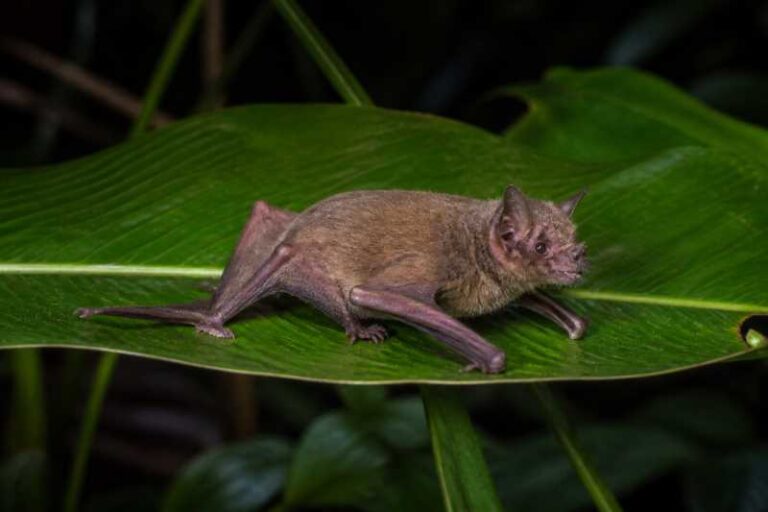
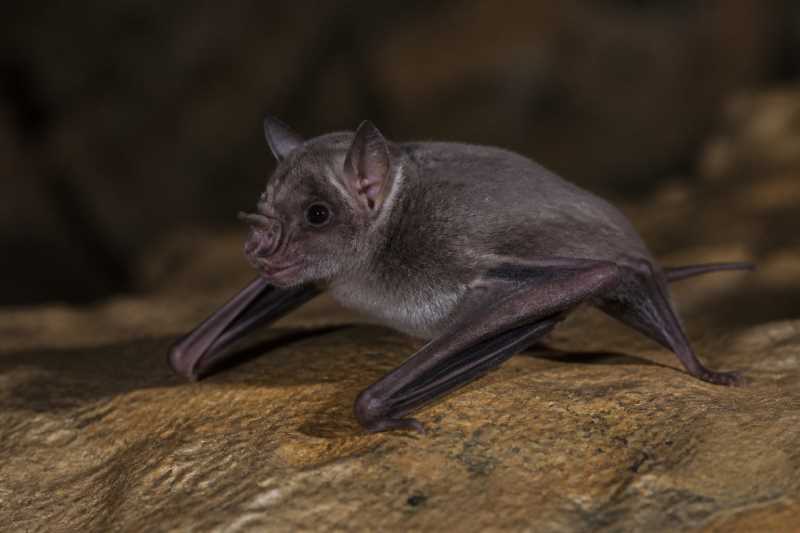
The Hkakabo Razi Tube-nosed Bat is distinguished by its remarkable facial structure, which includes the notable tube-shaped nostrils that give this species its name. These tubular nostrils are a defining feature, aiding in their echolocation abilities. The bat has a small stature, with a body length ranging from 4 to 6 centimeters and a wingspan of approximately 25 to 30 centimeters. Its fur is dense and soft, primarily consisting of a brownish-gray color that provides camouflage against the tree bark and foliage of its forest habitat. The bat’s wings are characterized by a translucent, membrane-like appearance, facilitating agile flight through dense forest canopies.
Range and Habitat
The Hkakabo Razi Tube-nosed Bat is endemic to the Hkakabo Razi region in Myanmar, a location known for its rich biodiversity and challenging terrain. This area, part of the Eastern Himalayas, is characterized by its dense, subtropical forests and high-altitude climate. The bat typically inhabits montane forests, thriving in altitudes ranging from 1,000 to 3,500 meters above sea level. These habitats are crucial for providing the necessary resources such as roosting sites and an abundance of insect prey.
Behavior and Diet
As a nocturnal species, the Hkakabo Razi Tube-nosed Bat is primarily active during the night. Its behavior is largely influenced by the availability of prey and climatic conditions. The bat employs echolocation to navigate and hunt, emitting ultrasonic calls that bounce off objects, allowing it to detect and capture insects mid-flight. Its diet predominantly consists of small insects, including moths, beetles, and flies, which are abundant in its forest habitat. The bat’s feeding habits play a vital role in controlling insect populations, thereby contributing to the ecological balance of its environment.
Identification Tips (Field Recognition Cues)
Identifying the Hkakabo Razi Tube-nosed Bat in the field requires careful attention to several key features:
- Nostril Structure: Look for the characteristic tubular nostrils, a key distinguishing feature from other bat species.
- Fur Coloration: Note the dense, brownish-gray fur that provides camouflage against the forest backdrop.
- Echolocation Calls: Use bat detectors to pick up the specific ultrasonic frequencies emitted by this species.
- Size and Wingspan: Observe the relatively small body size and the membrane-like, translucent wings.
Conservation Status (with Threats and Protections)
The conservation status of the Hkakabo Razi Tube-nosed Bat is a subject of concern due to its limited range and the specific habitat requirements. Currently, it is not well-documented in the IUCN Red List, but it faces threats primarily from habitat destruction and deforestation. The expansion of agriculture, logging, and human settlement in the Hkakabo Razi region poses significant risks to its habitat. Conservation efforts are focused on habitat preservation and creating awareness about the species’ ecological importance. Protected areas within the Hkakabo Razi National Park offer some refuge, but more extensive measures are needed to ensure the species’ survival.
Frequently Asked Questions
1. What is the diet of the Hkakabo Razi Tube-nosed Bat? The Hkakabo Razi Tube-nosed Bat primarily feeds on insects such as moths, beetles, and flies. It uses echolocation to hunt these prey items during its nocturnal foraging activities.
2. Where can the Hkakabo Razi Tube-nosed Bat be found? This bat species is found in the Hkakabo Razi region of Myanmar, specifically in montane forests at altitudes of 1,000 to 3,500 meters.
3. What are the threats facing the Hkakabo Razi Tube-nosed Bat? The main threats include habitat destruction due to deforestation, agricultural expansion, and human settlement. Conservation efforts are crucial to protect its natural habitat.
4. How can the Hkakabo Razi Tube-nosed Bat be identified? Key identification features include its tube-shaped nostrils, brownish-gray fur, and specific echolocation calls detectable with bat detectors.
5. Why is the Hkakabo Razi Tube-nosed Bat important? This bat plays a vital role in controlling insect populations, contributing to the ecological balance of its habitat. Its presence indicates a healthy forest ecosystem.
Related posts