Introduction
The Medog Tube-nosed Bat, scientifically known as Murina medogensis, is a fascinating mammal that belongs to the family Vespertilionidae. This species is one of the lesser-known bats, primarily due to its limited geographical distribution and elusive nature. Found predominantly in the Medog County of Tibet, the Medog Tube-nosed Bat has piqued the interest of mammalogists and conservationists alike. This article delves into the various facets of the Medog Tube-nosed Bat, from its physical characteristics to its behavior, habitat, and the conservation efforts aimed at preserving this unique species.
Physical Description
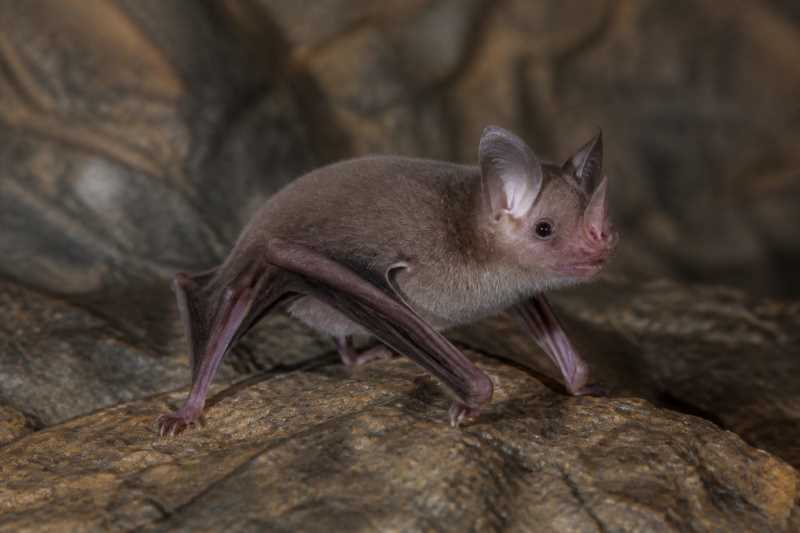
The Medog Tube-nosed Bat is characterized by its distinctive nasal structure, which gives it its name. The "tube-nosed" feature refers to the elongated nostrils that protrude from the face, an adaptation believed to aid in its echolocation abilities. These bats are relatively small, with a forearm length ranging from 33 to 36 millimeters.
Their fur is soft and dense, providing insulation against the cold temperatures of their mountainous habitat. The dorsal fur is typically brown or reddish-brown, while the ventral side is lighter, often appearing grayish or pale brown. The wings are dark and semi-transparent, allowing for agile flight through dense foliage. Another notable feature is the tragus, a projection in the ear that is long and pointed, aiding in sound reception.
Range and Habitat
The Medog Tube-nosed Bat is primarily found in the Medog County of the Tibet Autonomous Region in China. This area is characterized by its rich biodiversity and varied ecosystems, ranging from subtropical forests to alpine meadows. The bats are known to inhabit forested areas, where they roost in tree hollows and under loose bark.
The elevation range of their habitat is typically between 1,000 to 3,000 meters above sea level. This montane environment provides ample food resources, such as insects, and suitable roosting sites. The dense foliage and varied terrain also offer protection from predators and harsh weather conditions.
Behavior and Diet
The Medog Tube-nosed Bat is a nocturnal creature, emerging at dusk to forage for food. Its diet mainly consists of insects, including moths, beetles, and other small arthropods. The bat uses echolocation to navigate and locate prey, emitting high-frequency sounds that bounce off objects and return as echoes.
Socially, these bats are known to roost in small groups, although solitary roosting is also observed. During the breeding season, which occurs in the spring, males and females come together to mate. Female bats give birth to a single pup, which is nurtured and cared for until it can fend for itself.
Identification Tips (Field Recognition Cues)
Identifying the Medog Tube-nosed Bat in the field requires attention to several key characteristics:
- Nasal Structure: Look for the distinctive tube-like nostrils that protrude from the face.
- Size: Note the small size, with a forearm length of 33-36 mm.
- Fur Color: Observe the brown or reddish-brown dorsal fur and lighter ventral fur.
- Ears and Tragus: Check for long, pointed tragus in the ears.
- Flight Pattern: Watch for agile and erratic flight patterns typical of insectivorous bats.
Conservation Status (With Threats and Protections)
The conservation status of the Medog Tube-nosed Bat is currently listed as "Data Deficient" by the IUCN Red List. This classification stems from the lack of comprehensive data on the population size and trends of this species. The primary threats to the Medog Tube-nosed Bat include habitat loss due to deforestation and human encroachment.
Efforts to protect this species involve habitat conservation and research initiatives aimed at understanding its ecology and distribution. The Medog County, being a biodiversity hotspot, is subject to certain protections that indirectly benefit the bat. However, more targeted conservation measures are necessary to ensure the long-term survival of the Medog Tube-nosed Bat.
Frequently Asked Questions
1. What is the primary diet of the Medog Tube-nosed Bat?
The Medog Tube-nosed Bat primarily feeds on insects, utilizing echolocation to hunt for moths, beetles, and other small arthropods during the night.
2. Where can the Medog Tube-nosed Bat be found?
This species is mainly found in the Medog County of Tibet, inhabiting montane forests at elevations of 1,000 to 3,000 meters above sea level.
3. How does the Medog Tube-nosed Bat use its nose for echolocation?
The bat’s tube-like nostrils help to direct echolocation calls, allowing it to effectively navigate and locate prey in dense forest environments.
4. What are the major threats to the Medog Tube-nosed Bat?
The major threats include habitat loss due to deforestation and human activities, which lead to a reduction in suitable roosting and foraging areas.
5. What conservation efforts are in place for the Medog Tube-nosed Bat?
Conservation efforts focus on habitat protection in Medog County and research to gather more data on the species’ ecology and population dynamics.
Related posts