Daubenton’s Myotis: A Comprehensive Guide to Myotis daubentonii
Introduction
Daubenton’s Myotis (Myotis daubentonii), a fascinating species of bat, is known for its close association with water bodies and its unique hunting techniques. Often referred to as the "water bat," this species is widespread across Europe and parts of Asia, playing a crucial role in controlling insect populations. In this article, we delve into the intricacies of Daubenton’s Myotis, exploring its physical characteristics, habitat preferences, behavior, and conservation status.
Physical Description
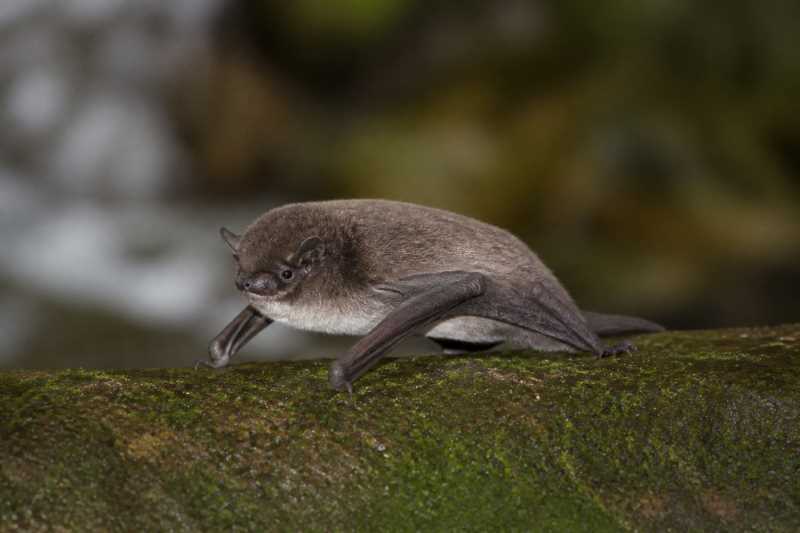
Daubenton’s Myotis is a medium-sized bat species distinguishable by its sleek and agile form. Adults typically weigh between 7 to 15 grams, with a wingspan ranging from 24 to 28 centimeters. The fur on their back is generally brownish-grey, while their underparts are lighter, often displaying a silvery sheen. Notably, their ears are relatively short and rounded, a feature that aids in echolocation.
One of the most distinctive features of Daubenton’s Myotis is its broad, webbed feet, equipped with long, curved claws. These adaptations are particularly beneficial for catching prey over water surfaces. The face of Myotis daubentonii lacks a nose leaf, which is common in some other bat species, and instead has a simple, pointed muzzle.
Range and Habitat
Daubenton’s Myotis is widely distributed across Europe, extending from Ireland and the UK through to Russia and Kazakhstan. Its range also includes parts of China and Japan. This species prefers habitats near water bodies, such as rivers, lakes, and ponds, where it can easily hunt for aquatic insects.
During the day, Daubenton’s Myotis roosts in a variety of locations, from tree hollows and caves to man-made structures like bridges and buildings. In winter, they hibernate in cool, humid environments, often in caves or tunnels that provide stable temperatures and protection from predators.
Behavior and Diet
Daubenton’s Myotis is primarily nocturnal, emerging at dusk to begin its hunting activities. This species is known for its distinctive hunting style, skimming low over water surfaces to catch insects. Using echolocation, they can detect and capture prey with remarkable precision.
Their diet mainly consists of aquatic insects, such as midges and caddisflies, although they also consume moths and beetles. Daubenton’s Myotis employs a unique hunting technique where they scoop insects off the water’s surface with their feet or tail membrane, a behavior that distinguishes them from many other bat species.
Identification Tips
Identifying Daubenton’s Myotis in the field can be challenging due to its nocturnal nature and the presence of other similar bat species. However, there are several key characteristics and behaviors to look for:
- Flight Pattern: They exhibit a low, fast flight pattern over water, often just a few centimeters above the surface.
- Physical Features: Look for their short, rounded ears and broad, webbed feet.
- Roosting Habits: During the day, they are often found in roosts near water bodies.
- Echolocation Calls: Their echolocation calls can be detected using a bat detector, typically ranging between 35 and 45 kHz.
- Behavior: Their unique method of catching insects off the water surface is a key behavioral trait.
Conservation Status
Daubenton’s Myotis is currently listed as Least Concern on the IUCN Red List, indicating that the species is not at immediate risk of extinction. However, it faces several threats that could impact its population in the future.
Threats
- Habitat Loss: The destruction of wetland habitats due to urbanization and agricultural expansion poses a significant threat.
- Pollution: Water pollution can reduce insect populations, affecting the food availability for these bats.
- Climate Change: Changes in temperature and weather patterns can impact hibernation and breeding cycles.
Protections
Various conservation efforts are in place to protect Daubenton’s Myotis. These include the protection of roosting sites and the preservation of wetland habitats. In some regions, legislative measures restrict activities that could harm bat populations, such as the use of pesticides near water bodies.
Frequently Asked Questions
What is the typical lifespan of Daubenton’s Myotis?
Daubenton’s Myotis typically lives up to 4-5 years in the wild, although some individuals have been known to live over a decade under favorable conditions.
How does Daubenton’s Myotis contribute to the ecosystem?
By controlling insect populations, Daubenton’s Myotis plays a vital role in maintaining ecological balance. Their predation helps reduce the number of mosquitoes and other pests, benefiting both humans and agriculture.
Are Daubenton’s Myotis social creatures?
Yes, Daubenton’s Myotis is known to be quite social, often roosting in groups. During the breeding season, females form maternity colonies where they raise their young together.
How can I attract Daubenton’s Myotis to my garden?
To attract Daubenton’s Myotis, consider installing a bat house in a quiet, sheltered area. Maintaining a natural water feature, like a pond, can also provide a suitable hunting ground for these bats.
What research is being done on Daubenton’s Myotis?
Current research focuses on understanding the impacts of climate change and habitat loss on Daubenton’s Myotis populations, as well as their role in ecosystem services such as pest control.
Related posts