The Balearic Warbler: An In-depth Exploration of Curruca balearica
Introduction
The Balearic Warbler (Curruca balearica) is a captivating avian species native to the Balearic Islands of Spain. Known for its distinct vocalizations and characteristic plumage, this bird is a vital component of the Mediterranean ecosystem. This article delves into the various aspects of the Balearic Warbler, including its taxonomy, habitat, behavior, conservation status, and the challenges it faces in a changing world.
Taxonomy and Classification
The Balearic Warbler belongs to the family Sylviidae, which comprises a group of small passerine birds commonly referred to as Old World warblers. Its scientific name, Curruca balearica, reflects its geographic association with the Balearic Islands. Previously, it was considered a subspecies of the Sardinian Warbler (Curruca melanocephala), but recent genetic studies have established it as a distinct species. This reevaluation underscores the importance of precise taxonomic classification in bird conservation.
Physical Description
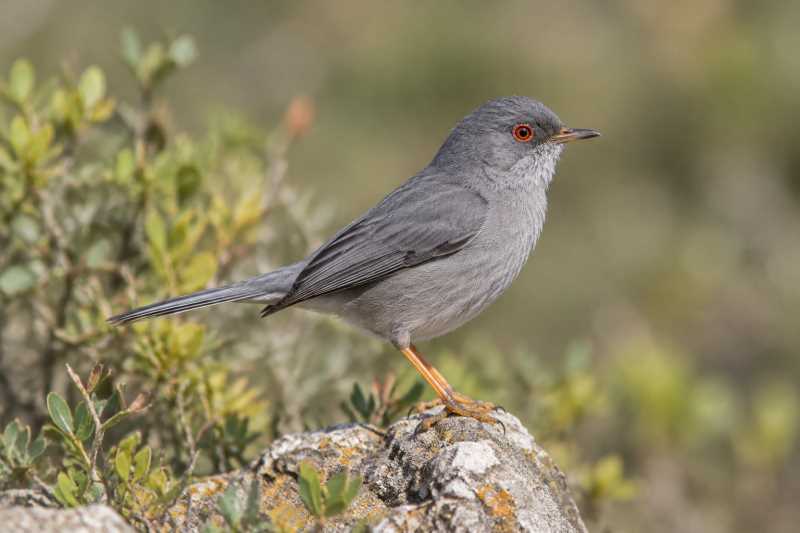
The Balearic Warbler is a small bird, measuring approximately 13 cm in length, with a wingspan of about 15-20 cm. It exhibits sexual dimorphism, with males and females differing slightly in plumage. Males typically have a striking black cap and nape, with a contrasting white throat and a greyish body. Females and juveniles, on the other hand, display a more subdued coloration with a brownish cap and less contrast between the body and throat. The bird’s eyes are bright red, and its beak is slim and pointed, adapted for an insectivorous diet.
Habitat and Distribution
As an endemic species, the Balearic Warbler is found exclusively on the Balearic Islands, including Mallorca, Menorca, Ibiza, and Formentera. It prefers Mediterranean scrubland, characterized by dense, low vegetation such as bushes and shrubs. This habitat provides ample cover and abundant feeding opportunities. The bird’s distribution is largely influenced by the availability of suitable habitats, which are often under threat from human activities and environmental changes.
Behavior and Diet
The Balearic Warbler is primarily insectivorous, feeding on a diet of insects and arachnids. It forages actively among the undergrowth, using its agile movements and keen eyesight to locate prey. During the breeding season, which spans from March to June, its diet may also include small berries and fruits that provide additional nutrients.
This warbler is known for its complex and melodious song, which males use to establish territory and attract mates. The song comprises a series of varied phrases, delivered with rapid repetition and interspersed with trills and whistles. These vocalizations are crucial for communication and play a significant role in the bird’s social structure.
Breeding and Reproduction
Breeding occurs between March and June, coinciding with the abundance of food resources. The Balearic Warbler is monogamous, with pairs forming long-term bonds. Nesting occurs in dense scrub, where the female constructs a cup-shaped nest using grass, leaves, and other plant materials. Clutch size typically ranges from three to five eggs, which are incubated by the female for about 12-14 days.
Both parents participate in feeding the chicks, which fledge approximately 10-14 days after hatching. The fledglings remain dependent on their parents for several weeks, learning to forage and develop survival skills. Successful reproduction is critical for the species’ sustainability, given its limited range and population size.
Conservation Status and Threats
The International Union for Conservation of Nature (IUCN) currently classifies the Balearic Warbler as Near Threatened. Although the species is not immediately at risk of extinction, it faces several challenges that could impact its future. Habitat loss due to urbanization, agricultural expansion, and tourism development poses the most significant threat. Additionally, climate change and associated shifts in weather patterns could alter the availability of food resources and suitable nesting sites.
Conservation efforts are focused on habitat preservation and restoration, with an emphasis on maintaining the integrity of Mediterranean scrubland. Protected areas and nature reserves, such as the Parc Natural de S’Albufera de Mallorca, play a crucial role in safeguarding the Balearic Warbler’s habitat.
The Role of Citizen Science
Citizen science initiatives have become instrumental in monitoring the Balearic Warbler population. Birdwatchers and nature enthusiasts contribute valuable data through observations and recordings, aiding researchers in tracking population trends and identifying emerging threats. These collaborative efforts enhance public awareness and foster a sense of stewardship for the region’s unique biodiversity.
Conclusion
The Balearic Warbler is a symbol of the rich natural heritage of the Balearic Islands. Its survival depends on continued conservation efforts and a commitment to sustainable development that respects the delicate balance of the Mediterranean ecosystem. By understanding and appreciating the ecological role of the Balearic Warbler, we can ensure that future generations will also have the opportunity to experience the beauty and wonder of this remarkable bird.
References
- IUCN Red List
- European Bird Census Council
- BirdLife International
Related posts