Introduction
The Calabria Pine Vole (Microtus brachycercus) is a fascinating rodent species endemic to the Calabria region in southern Italy. Known for its distinctive habits and niche habitat preferences, this small mammal plays a critical role in the local ecosystem. Despite its significance, the Calabria Pine Vole remains relatively understudied, with much of its lifestyle and ecological impact still shrouded in mystery. This article aims to shed light on the various aspects of this intriguing species, from its physical characteristics to its conservation status.
Physical Description
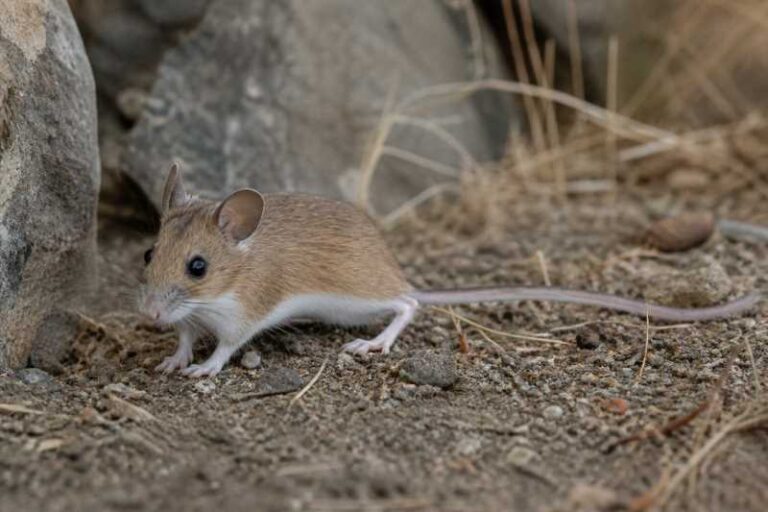
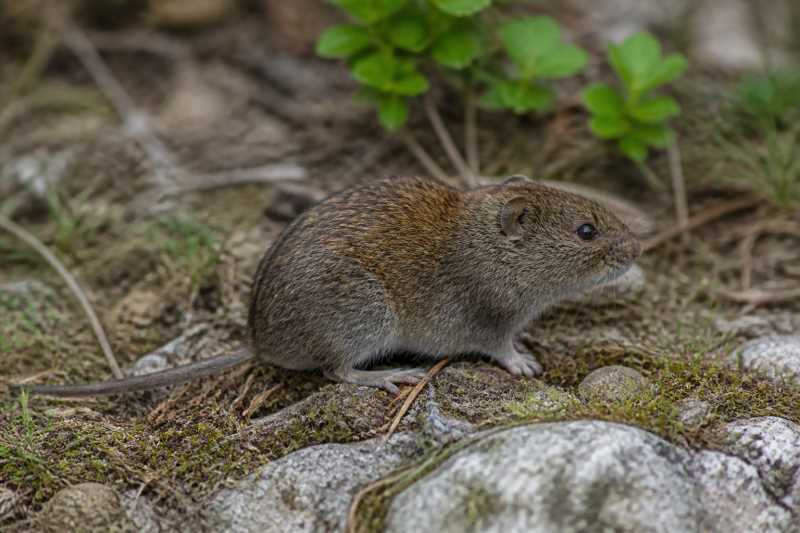
The Calabria Pine Vole is a small rodent, typically measuring between 8 to 10 centimeters in length, excluding its short tail, which adds another 2 to 3 centimeters. Its body is covered with dense, soft fur, primarily greyish-brown in color, although slight variations in shade can occur depending on the season and specific habitat conditions.
One of the distinguishing features of the Calabria Pine Vole is its robust and compact body, which is well-adapted for a life spent mostly underground. It has small, rounded ears and a blunt snout, both of which are adaptations for its burrowing lifestyle. Its limbs are relatively short, but the forelimbs are strong, equipped with sharp claws that aid in digging.
Range and Habitat
As its name suggests, the Calabria Pine Vole is predominantly found in the Calabria region of southern Italy. This area is characterized by its diverse topography, including mountains, forests, and coastal regions, although the vole shows a particular preference for pine forests and meadows at higher elevations.
The species thrives in habitats where loose, well-drained soils are present, facilitating its burrowing activities. These voles create extensive tunnel systems that provide not only shelter but also access to food resources and protection from predators. The presence of healthy, dense vegetation is crucial as it offers both food and cover.
Behavior and Diet
The Calabria Pine Vole is primarily nocturnal, meaning it is most active during the night. This behavior helps it avoid many predators while taking advantage of cooler temperatures. During the day, these voles remain in their underground burrows, which they construct in complex networks.
In terms of diet, the vole is herbivorous, feeding on a variety of vegetation available within its habitat. Its diet mainly consists of grasses, roots, tubers, and occasionally seeds and fruits. The vole’s feeding behavior plays a significant role in seed dispersion, which contributes to the ecological health of its habitat.
Identification Tips
Field identification of the Calabria Pine Vole can be challenging due to its elusive nature and nocturnal habits. However, there are a few key characteristics that can aid in its recognition:
- Size and Shape: Look for a small rodent with a compact, robust body and a short tail.
- Coloration: Note the greyish-brown fur, which may appear slightly different depending on the surrounding environment.
- Burrows: Presence of small, well-organized burrows with neat, round entrances can be an indicator of their presence.
- Activity Patterns: Observing nocturnal activity can be a clue, although this requires patience and often specialized equipment like night-vision cameras.
Conservation Status
The Calabria Pine Vole is currently classified as a species of "Least Concern" by the International Union for Conservation of Nature (IUCN). However, this does not mean it is free from threats. Habitat destruction, primarily due to agricultural expansion and urbanization, poses significant risks to its populations.
Conservation efforts are crucial to ensure the survival of this species. Protecting its natural habitat through the establishment of nature reserves and promoting sustainable agricultural practices are vital steps. Additionally, further research is needed to better understand its ecological role and inform conservation strategies.
Frequently Asked Questions
What is the typical habitat of the Calabria Pine Vole?
The Calabria Pine Vole is typically found in pine forests and meadows with loose, well-drained soils that support its burrowing lifestyle.
How does the Calabria Pine Vole contribute to its ecosystem?
This vole plays a critical role in seed dispersion and soil aeration due to its feeding and burrowing activities, which in turn supports plant diversity.
Are there any specific threats to the Calabria Pine Vole?
Yes, habitat destruction due to agricultural and urban development is a major threat, as it reduces the available natural habitat for the species.
How can we help conserve the Calabria Pine Vole?
Supporting habitat protection initiatives, promoting sustainable land use practices, and advocating for further research into the species are ways to contribute to its conservation.
Related posts