Introduction
Armién’s Myotis (Myotis armiensis) is a fascinating yet little-known species of bat within the family Vespertilionidae, commonly referred to as the vesper bats. This species, discovered relatively recently, is named in honor of the scientist who significantly contributed to the understanding of bat diversity in Central America. As an intriguing component of the biodiversity in its range, Armién’s Myotis presents unique adaptations and ecological roles that contribute to its habitat.
Physical Description
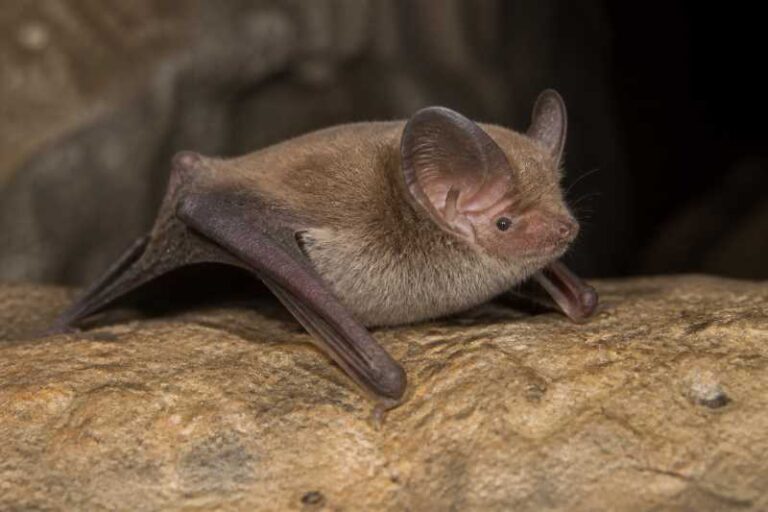
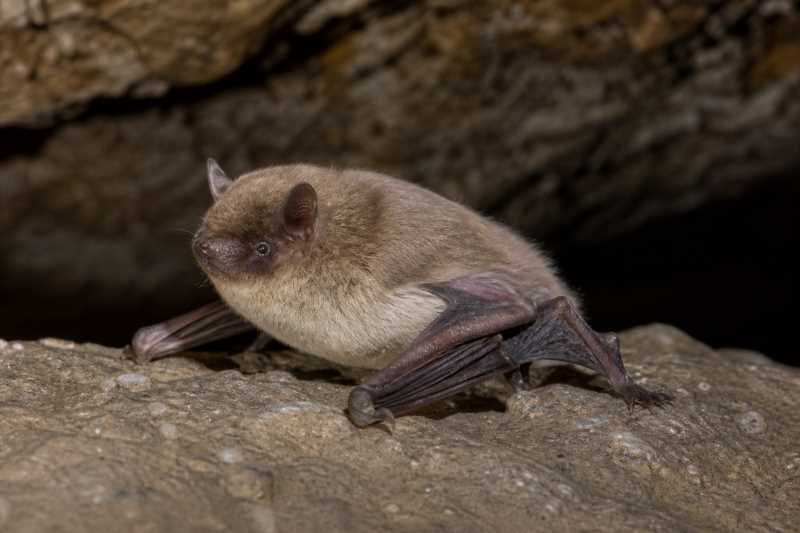
Armién’s Myotis is a small bat species characterized by its distinct morphological features. Adult individuals have a forearm length ranging from 35 to 40 mm and typically weigh between 4 to 8 grams. Their fur is generally a soft brown to reddish-brown color on the dorsal side, with a slightly paler ventral side, offering effective camouflage in their natural habitat. The ears are moderately long, extending beyond the nose when laid forward, and are a darker hue than the fur. The wings are relatively broad and adapted for agile flight, crucial for navigating the dense forest canopies where they reside. The tail is enclosed within the uropatagium, a membrane that aids in maneuverability during flight.
Range and Habitat
Armién’s Myotis is primarily found in Central America, with confirmed populations in Panama and possibly extending into nearby regions. This species thrives in tropical and subtropical forests, particularly favoring areas with a dense canopy cover and abundant water sources, such as rivers or streams. The humid and warm conditions typical of these forest environments provide ample insect prey and suitable roosting sites, such as tree cavities and under loose bark. These habitats are crucial for their survival, offering both food resources and protection from predators.
Behavior and Diet
Armién’s Myotis is primarily nocturnal, emerging at dusk to feed and returning to roosts before dawn. Their diet consists predominantly of insects, including moths, beetles, and other small invertebrates. They exhibit aerial hawking as their primary foraging strategy, using echolocation to detect and capture prey mid-flight. This sophisticated navigation system involves emitting high-frequency sound waves that bounce back upon hitting an object, allowing the bat to discern the size, shape, and distance of potential prey. Socially, Armién’s Myotis tends to roost in small groups, although solitary roosts are not uncommon. These bats communicate through a series of vocalizations and physical gestures, particularly during mating seasons and in roosting colonies.
Identification Tips (field recognition cues)
Identifying Armién’s Myotis in the field requires attention to several distinct features. Observers should note the bat’s small size and the characteristic reddish-brown fur. The long ears, which extend beyond the nose when laid forward, are a distinguishing characteristic. Additionally, the echolocation call of Armién’s Myotis is unique in its frequency and modulation pattern, which can be discerned using bat detectors. Observing their flight patterns, typically close to vegetation and water, can also aid in identification.
Conservation Status (with threats and protections)
The conservation status of Armién’s Myotis is currently under review, as it is a species not well-documented due to its recent discovery and the cryptic nature of its habitat. However, like many bat species, it faces threats from habitat destruction and fragmentation, primarily due to deforestation for agriculture and urban development. Pesticide use also poses a significant threat by reducing insect populations and directly affecting bat health. Conservation efforts for Armién’s Myotis focus on habitat preservation and restoration. Protected areas within its range offer some degree of habitat security, but further research and conservation actions are needed to ensure the species’ long-term survival.
Frequently Asked Questions
1. Where can I find Armién’s Myotis? Armién’s Myotis is primarily found in Central American tropical forests, particularly in Panama. They favor habitats with dense canopy cover and proximity to water sources.
2. What do Armién’s Myotis bats eat? Armién’s Myotis has a diet mainly consisting of insects. They use echolocation to hunt moths, beetles, and other small invertebrates during their nocturnal foraging activities.
3. How can you tell if a bat is an Armién’s Myotis? Look for a small bat with reddish-brown fur and long ears that extend beyond the nose. Their echolocation calls, detectable with a bat detector, are also unique.
4. What threats does Armién’s Myotis face? The primary threats include habitat destruction due to deforestation and pesticide use, which reduces food availability and directly impacts bat health.
5. Are there conservation efforts for Armién’s Myotis? Yes, conservation efforts focus on habitat preservation within protected areas and promoting sustainable land use practices to mitigate habitat loss.
Related posts