Introduction
The Iranian Vole (Microtus irani) is a small, elusive rodent species that belongs to the family Cricetidae. This intriguing mammal is native to the Iranian plateau and has adapted to survive in some of the most challenging environments. Despite its limited range, the Iranian Vole plays a crucial role in the ecosystems it inhabits, serving as both a prey species and a consumer of vegetation. Understanding the characteristics, habitat, and behavior of this vole can shed light on the ecological balance of the regions it populates.
Physical Description
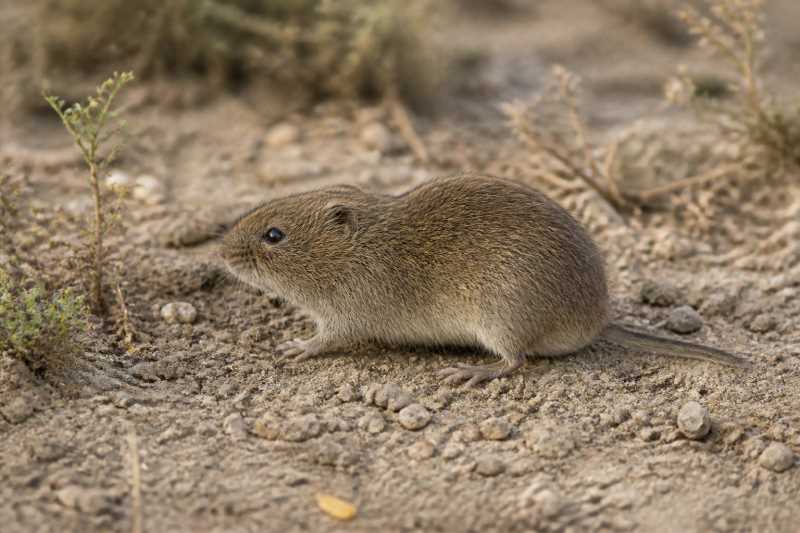
The Iranian Vole is a small mammal, typically measuring between 8 to 12 centimeters in body length, with a tail length of approximately 3 to 5 centimeters. It weighs around 20 to 50 grams. The vole’s fur is a muted blend of gray and brown, providing excellent camouflage against the rocky and grassy landscapes it inhabits. Its underbelly is lighter, often a soft gray or white shade. It has small, rounded ears and a pointed snout, which are characteristic of the species. The eyes of the Iranian Vole are relatively small, a common trait among fossorial and semi-fossorial rodents, as they rely more on their keen sense of smell and hearing.
Range and Habitat
The Iranian Vole is endemic to the Iranian plateau, specifically found in the Zagros mountain range and surrounding areas. This region is characterized by its harsh climate and rugged terrain, providing a unique habitat for the vole to thrive. The vole prefers open grasslands, shrublands, and rocky outcrops, where it can easily dig burrows for shelter and foraging. Seasonal variations in temperature and precipitation greatly influence the vole’s habitat choices, with a preference for areas that provide cover and food availability throughout the year.
Behavior and Diet
Iranian Voles are primarily nocturnal, which helps them avoid predators and the extreme daytime temperatures of their habitat. They are social animals, often living in small colonies that provide protection and increased foraging efficiency. Their burrowing behavior is essential for creating living spaces and storing food.
The diet of the Iranian Vole is predominantly herbivorous, consisting mainly of grasses, seeds, and leaves. They have been observed to consume insects occasionally, particularly when plant-based food sources are scarce. This varied diet helps them adapt to the fluctuating availability of resources in their habitat.
Identification Tips (Field Recognition Cues)
Identifying the Iranian Vole in the field can be challenging due to its elusive nature and resemblance to other vole species. However, certain characteristics can aid in its recognition:
- Size and Shape: Note the small size and compact body, with a short tail compared to the body length.
- Fur Coloration: Look for the distinct gray-brown fur with a lighter underbelly.
- Habitat: The presence of burrows in rocky or grassy areas can indicate the presence of voles.
- Activity Patterns: Observing nocturnal activity or detecting small tracks can help identify their presence.
Conservation Status (with Threats and Protections)
The Iranian Vole is currently listed as a species of Least Concern by the International Union for Conservation of Nature (IUCN). However, it faces several threats that could impact its population in the future. Habitat loss due to agricultural expansion, urbanization, and climate change poses significant risks. Additionally, predation by birds of prey and small carnivores is a natural threat.
Conservation efforts are focused on habitat preservation and monitoring population trends. Protecting large areas of natural habitat and promoting sustainable land use practices are essential for ensuring the vole’s continued survival.
Frequently Asked Questions
1. What is the primary habitat of the Iranian Vole? The Iranian Vole predominantly inhabits open grasslands, shrublands, and rocky areas within the Iranian plateau, particularly in the Zagros mountain range.
2. How does the Iranian Vole adapt to its environment? The vole adapts through its nocturnal behavior, burrowing activities, and a varied diet that includes grasses and insects, allowing it to thrive in harsh climates.
3. What are the main threats to the Iranian Vole? The main threats include habitat loss due to agriculture and urbanization, climate change, and predation from birds and small carnivores.
4. How can one identify an Iranian Vole in the wild? Identifying features include its small size, gray-brown fur, short tail, and presence in burrowed areas within rocky and grassy habitats.
5. Is the Iranian Vole endangered? The Iranian Vole is currently listed as Least Concern, but ongoing habitat threats could impact future population stability.
Related posts