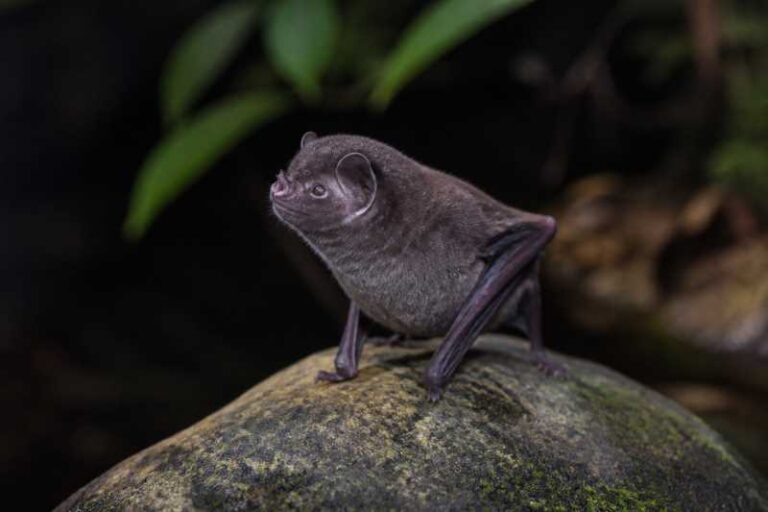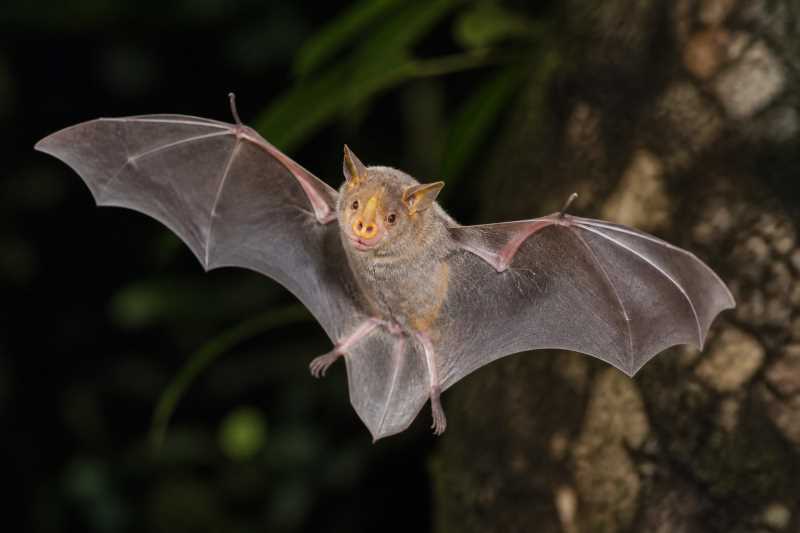
Gilded Tube-nosed Bat (Murina rozendaali)
Introduction
The Gilded Tube-nosed Bat, scientifically known as Murina rozendaali, is a fascinating species of bat belonging to the family Vespertilionidae. This elusive and often underappreciated bat is noted for its distinctive tubular nostrils and shimmering fur, traits that not only contribute to its name but also to its allure among chiropterologists and wildlife enthusiasts alike. This article explores the intricate details of this species, from its physical characteristics and habitat preferences to its behavioral patterns and conservation status.
Physical Description
The Gilded Tube-nosed Bat boasts a unique appearance that sets it apart from other bat species. It is relatively small, with an average forearm length ranging between 32 to 38 mm and a weight of about 5 to 8 grams. The most striking feature of this bat is its tube-shaped nostrils, which are believed to aid in its echolocation capabilities. Its fur is a golden-brown color, giving it a "gilded" appearance under certain lighting conditions, which is not only beautiful but also provides effective camouflage in its natural habitat.
The bat’s ears are moderately large and rounded, contributing to its excellent hearing, which is crucial for navigating and hunting in the dark. The wing membrane is thin yet durable, allowing for agile flight through dense forest canopies. The tail is relatively short, and the interfemoral membrane is well-developed, assisting in aerial maneuverability.
Range and Habitat
Murina rozendaali is primarily found in Southeast Asia, with sightings reported in countries such as Malaysia, Indonesia, and Thailand. They inhabit a variety of forested environments, ranging from lowland rainforests to montane forests. These bats are highly adaptable and can thrive in both primary and secondary forests, although they show a preference for areas with dense vegetation that offers ample roosting and foraging opportunities.
Their habitat selection is influenced by the availability of food and suitable roosting sites. They often roost in tree hollows, under bark, or within foliage, where they remain concealed from predators during daylight hours. The preservation of these forested habitats is crucial for their survival, as deforestation and habitat fragmentation pose significant threats to their populations.
Behavior and Diet
The Gilded Tube-nosed Bat is predominantly insectivorous, feeding on a diet composed mainly of small insects such as moths, beetles, and flies. They employ a sophisticated form of echolocation to detect and capture prey, emitting high-frequency calls that bounce off objects and return to the bat’s sensitive ears, allowing it to pinpoint the location of its prey with remarkable accuracy.
These bats are nocturnal, emerging from their roosts at dusk to hunt for food. They display a high degree of flight agility, darting through the forest canopy to pursue insects. Socially, they are relatively solitary, although they may form small roosting groups. During the breeding season, males may become more territorial, using vocalizations to ward off rivals and attract mates.
Identification Tips (Field Recognition Cues)
Identifying the Gilded Tube-nosed Bat in the field can be challenging due to its elusive nature and the dense habitats it occupies. However, certain features can aid in its recognition:
- Tube-shaped Nostrils: The tubular nostrils are a distinctive feature that can help differentiate this species from other bats in the region.
- Golden-brown Fur: Its shimmering, gilded fur is a key visual cue, especially when observed under light.
- Size and Shape: Its small size, combined with its unique ear and wing morphology, are useful identification markers.
- Echolocation Calls: Listening for their high-frequency echolocation calls can also aid in identification, using bat detectors for precise monitoring.
Conservation Status (with Threats and Protections)
The Gilded Tube-nosed Bat is currently classified as "Near Threatened" on the IUCN Red List. The main threats to its survival include deforestation, habitat fragmentation, and human disturbance. These threats are exacerbated by agricultural expansion, logging, and infrastructure development within its range.
Efforts to conserve this species focus on habitat protection and restoration. Establishing protected areas and implementing sustainable land-use practices are crucial steps in safeguarding their habitats. Additionally, raising awareness about the ecological importance of bats can contribute to their conservation.
Frequently Asked Questions
What is the scientific name of the Gilded Tube-nosed Bat?
The scientific name of the Gilded Tube-nosed Bat is Murina rozendaali. It belongs to the family Vespertilionidae, which comprises a diverse group of bats known for their echolocation skills.
Where can the Gilded Tube-nosed Bat be found?
This species is predominantly found in Southeast Asia, inhabiting countries such as Malaysia, Indonesia, and Thailand. They prefer densely forested environments, including both lowland and montane forests.
What threats do Gilded Tube-nosed Bats face?
The primary threats to the Gilded Tube-nosed Bat include habitat loss due to deforestation and human disturbance. Conservation efforts focus on habitat protection and sustainable land-use practices to mitigate these threats.
How does the Gilded Tube-nosed Bat hunt for food?
The Gilded Tube-nosed Bat uses echolocation to hunt for insects. By emitting high-frequency calls and listening to the returning echoes, it can accurately locate and capture its prey even in complete darkness.
Why are Gilded Tube-nosed Bats important to the ecosystem?
These bats play a crucial role in controlling insect populations, which helps maintain ecological balance. Additionally, they contribute to pollination and seed dispersal, supporting the health and diversity of forest ecosystems.
Related posts