
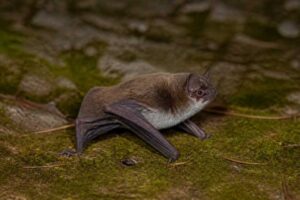
Eastern Forest Bat (Vespadelus pumilus)
Introduction The Eastern Forest Bat, scientifically known as Vespadelus pumilus, is a small bat species found primarily in the eastern
Eastern Forest Bat (Vespadelus pumilus) Read Post »
Mammals are a diverse group of warm-blooded animals characterized by hair or fur, live birth (with a few exceptions like the platypus and echidnas that lay eggs), and the ability to produce milk to nourish their young. There are around 6,800 mammal species in the world, ranging from tiny bumblebee bats weighing less than 2 grams to the enormous blue whale, the largest animal ever known to exist.
Mammals inhabit every continent and almost every environment — from arctic ice fields and vast deserts to dense rainforests and deep oceans. They play vital roles in ecosystems as predators, prey, seed dispersers, and ecosystem engineers. Many species are highly intelligent, social, and adaptable, which has allowed them to thrive in diverse habitats alongside humans.
This category highlights the fascinating world of mammals, exploring their diversity, behavior, habitats, and conservation challenges.
Introduction The Eastern Forest Bat, scientifically known as Vespadelus pumilus, is a small bat species found primarily in the eastern
Eastern Forest Bat (Vespadelus pumilus) Read Post »
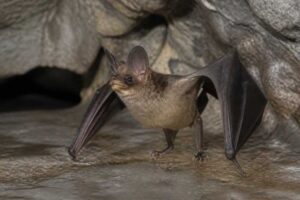
Yellow-lipped Cave Bat (Vespadelus douglasorum) Introduction The Yellow-lipped Cave Bat, scientifically known as Vespadelus douglasorum, is a fascinating mammalian species
Yellow-lipped Cave Bat (Vespadelus douglasorum) Read Post »
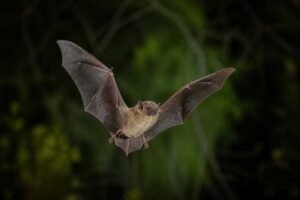
Inland Forest Bat (Vespadelus baverstocki): An In-Depth Look Introduction The Inland Forest Bat, scientifically known as Vespadelus baverstocki, is a
Inland Forest Bat (Vespadelus baverstocki) Read Post »
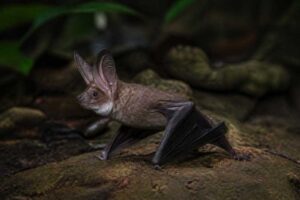
Introduction The New Guinea Big-eared Bat, scientifically known as Pharotis imogene, is a fascinating yet elusive species of bat endemic
New Guinea Big-eared Bat (Pharotis imogene) Read Post »
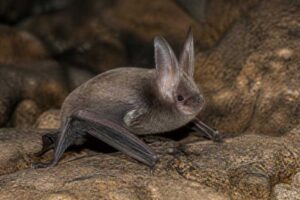
Western Long-eared Bat (Nyctophilus major): A Detailed Guide Introduction The Western Long-eared Bat, scientifically known as Nyctophilus major, is a
Western Long-eared Bat (Nyctophilus major) Read Post »
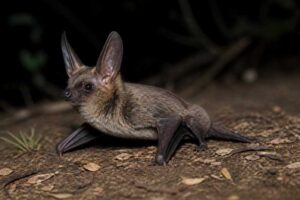
Introduction Corben’s Long-eared Bat, scientifically known as Nyctophilus corbeni, is a fascinating mammal species that inhabits various parts of Australia.
Corben’s Long-eared Bat (Nyctophilus corbeni) Read Post »
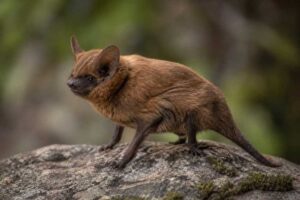
Introduction The Lowveld Serotine, scientifically known as Neoromicia hlandzeni, is a fascinating species of bat found primarily in the southern
Lowveld Serotine (Neoromicia hlandzeni) Read Post »
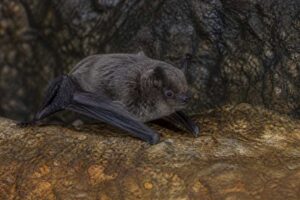
Introduction Moloney’s Mimic Bat, scientifically known as Mimetillus moloneyi, is a fascinating species of bat belonging to the family Vespertilionidae.
Moloney’s Mimic Bat (Mimetillus moloneyi) Read Post »
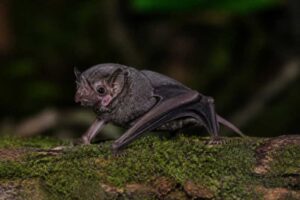
Introduction The Hoary Wattled Bat, scientifically known as Chalinolobus nigrogriseus, is a remarkable species within the Vespertilionidae family. Known for
Hoary Wattled Bat (Chalinolobus nigrogriseus) Read Post »
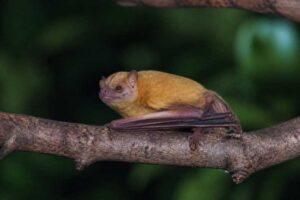
Livingstone’s Yellow Bat: A Comprehensive Overview Introduction Livingstone’s Yellow Bat, scientifically known as Scotophilus livingstonii, is a fascinating yet elusive
Livingstone’s Yellow Bat (Scotophilus livingstonii) Read Post »
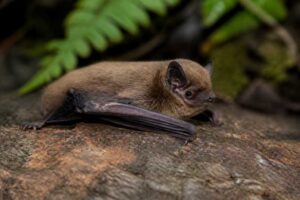
Introduction Racey’s Pipistrelle, scientifically known as Pipistrellus raceyi, is a unique species of bat found predominantly in Madagascar. Named after
Racey’s Pipistrelle (Pipistrellus raceyi) Read Post »
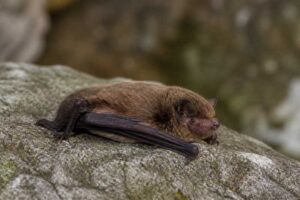
Aellen’s Pipistrelle: An In-depth Exploration Introduction Aellen’s Pipistrelle, scientifically known as Pipistrellus inexspectatus, is an intriguing species of bat within
Aellen’s Pipistrelle (Pipistrellus inexspectatus) Read Post »