Inland Forest Bat (Vespadelus baverstocki): An In-Depth Look
Introduction
The Inland Forest Bat, scientifically known as Vespadelus baverstocki, is a fascinating mammalian species that inhabits the diverse landscapes of Australia. Known for their small size and adaptability, these bats are an integral part of the ecosystem, contributing to insect control and serving as indicators of environmental health. This article delves into the various aspects of the Inland Forest Bat, from its physical characteristics to its habitat preferences, behavior, and conservation status.
Physical Description
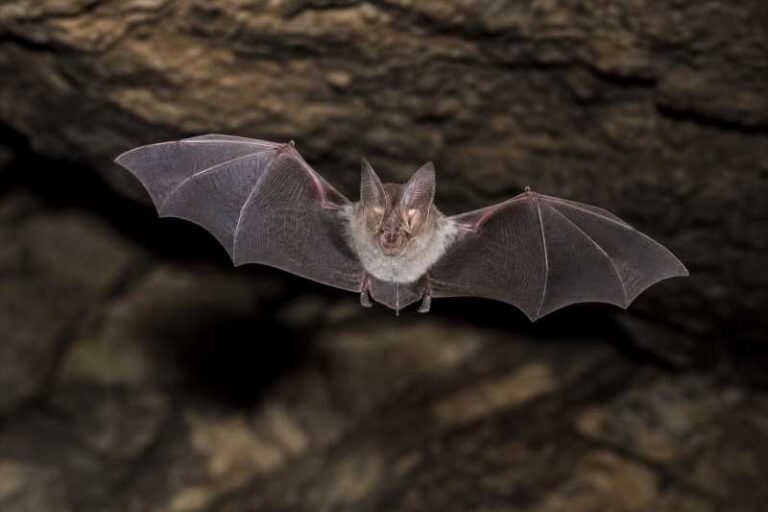
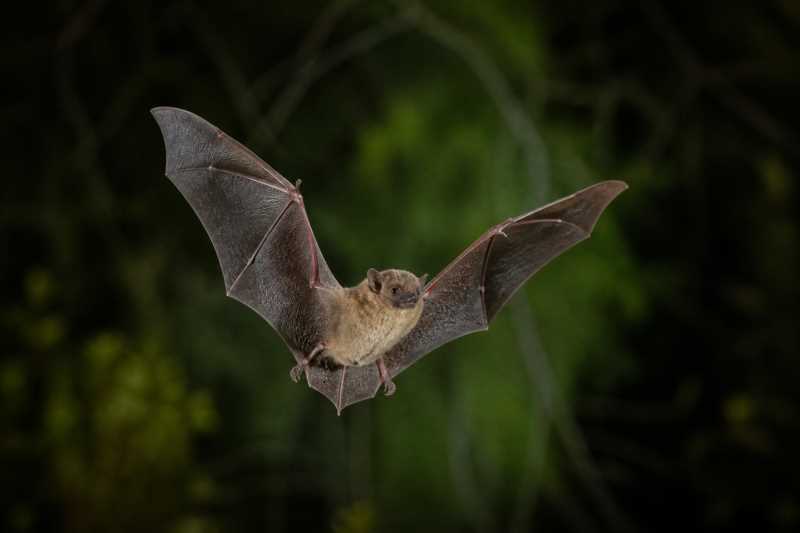
The Inland Forest Bat is a small-sized bat species, with a head-to-body length ranging between 35 to 50 mm (1.4 to 2 inches), and a wingspan of approximately 23 to 28 cm (9 to 11 inches). Weighing between 3 to 6 grams, this bat is characterized by its light brown or grayish fur, which provides excellent camouflage against tree bark and foliage. The fur is typically darker on the dorsal side and lighter on the ventral side.
These bats have a distinctively shaped muzzle with a slightly upturned nose, and their ears are moderately large, aiding in their acute echolocation abilities. The wings of the Inland Forest Bat are narrow and pointed, which allow for agile flight and maneuverability within dense forest environments. Their eyes are small, reflecting their reliance on echolocation rather than vision for navigation and hunting.
Range and Habitat
Vespadelus baverstocki is predominantly found in the inland regions of southern Australia, particularly in the states of New South Wales, South Australia, and Victoria. These bats favor temperate and semi-arid forests, woodlands, and shrublands, often residing in areas with a mix of eucalyptus and acacia trees.
The choice of habitat is influenced by the availability of roosting sites and food resources. Inland Forest Bats typically roost in tree hollows, under peeling bark, or within crevices in cliffs and buildings. These roosting sites provide shelter during the day and a safe haven from predators. The bats are known to form small colonies, although solitary roosting is also observed.
Behavior and Diet
Inland Forest Bats are nocturnal creatures, emerging at dusk to forage for food. Their diet primarily consists of insects, including moths, beetles, and mosquitoes, which they catch in flight using their sophisticated echolocation skills. This diet not only helps control insect populations but also supports the bats’ high metabolism.
The echolocation of Vespadelus baverstocki involves emitting high-frequency sound waves that bounce off objects and return as echoes, allowing the bat to detect the size, shape, and distance of prey. This ability is crucial for hunting in the dark, dense forest environments they inhabit.
Socially, these bats are relatively solitary compared to other bat species but will congregate in small groups for roosting and mating. Breeding typically occurs in late winter to early spring, with females giving birth to a single pup annually. The young are cared for by the mother until they are capable of independent flight.
Identification Tips (Field Recognition Cues)
Identifying the Inland Forest Bat in the field can be challenging due to its small size and nocturnal habits. However, there are several cues that can aid in recognition:
- Size and Shape: Look for a small bat with a wingspan of around 23-28 cm and a body length of 35-50 mm.
- Coloration: Note the light brown or grayish fur, with darker dorsal and lighter ventral sides.
- Flight Pattern: These bats exhibit an agile and erratic flight pattern, often seen foraging near trees and shrubs.
- Echolocation Calls: Using a bat detector, listen for high-frequency calls typical of insectivorous bats.
- Roosting Sites: Check tree hollows and under bark in their preferred habitat regions for signs of roosting.
Conservation Status (With Threats and Protections)
Currently, the Inland Forest Bat is classified as "Least Concern" on the IUCN Red List. However, like many bat species, they face threats that could impact their populations. The primary threats include habitat loss due to land clearing for agriculture and urban development, as well as the use of pesticides, which reduce their food sources.
Climate change also poses a significant threat, as it can alter the availability of roosting sites and food resources. Furthermore, human disturbance at roosting sites can lead to stress and reduced reproductive success.
Conservation efforts are focused on habitat preservation and restoration, as well as raising awareness about the ecological importance of bats. Protected areas and wildlife corridors are vital in maintaining healthy populations of the Inland Forest Bat. Public education programs aim to reduce negative perceptions of bats and encourage coexistence.
Frequently Asked Questions
What do Inland Forest Bats eat?
Inland Forest Bats primarily consume insects such as moths, beetles, and mosquitoes. Their diet helps control insect populations and supports their high metabolic needs.
How can I identify an Inland Forest Bat?
Look for a small bat with light brown or grayish fur, a wingspan of 23-28 cm, and an agile flight pattern. Using a bat detector can help identify their high-frequency echolocation calls.
Where are Inland Forest Bats found?
These bats are found in the inland regions of southern Australia, particularly in New South Wales, South Australia, and Victoria, inhabiting temperate and semi-arid forests, woodlands, and shrublands.
Are Inland Forest Bats endangered?
Currently, the Inland Forest Bat is classified as "Least Concern," but they face threats such as habitat loss and climate change, which could impact their populations.
What role do Inland Forest Bats play in the ecosystem?
Inland Forest Bats play a critical role in controlling insect populations and serve as indicators of environmental health, reflecting the state of ecosystems where they reside.
Related posts