Aellen’s Pipistrelle: An In-depth Exploration
Introduction
Aellen’s Pipistrelle, scientifically known as Pipistrellus inexspectatus, is an intriguing species of bat within the Vespertilionidae family. This small, elusive mammal has captured the interest of the scientific community due to its unique characteristics and limited range. Although lesser-known compared to other bat species, Aellen’s Pipistrelle plays a crucial role in its ecosystem, primarily through insect control. This article aims to provide comprehensive insights into Aellen’s Pipistrelle, covering its physical description, habitat, behavior, and conservation status.
Physical Description
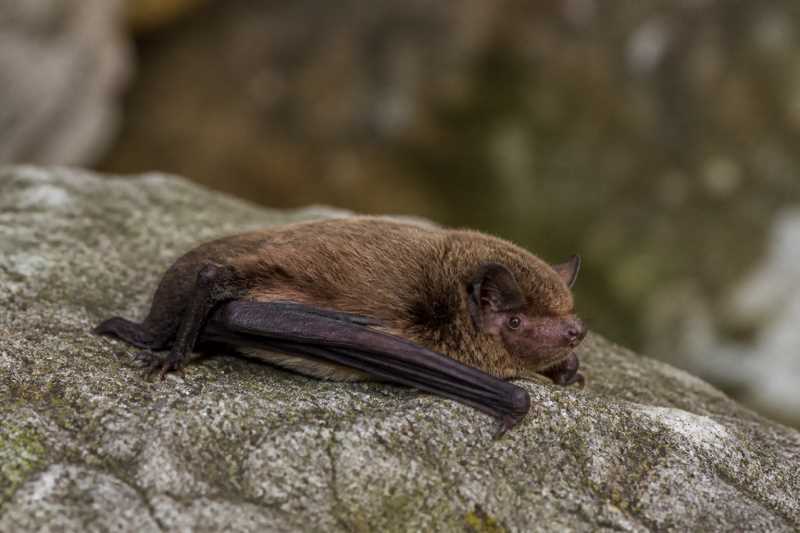
Aellen’s Pipistrelle is a small bat species characterized by its compact body and distinct features. Typically, the species measures approximately 3.5 to 5.5 centimeters in length, with a wingspan reaching up to 25 centimeters. Weighing between 4 and 8 grams, it is a lightweight mammal with remarkable agility.
The fur of Aellen’s Pipistrelle is generally dark brown or black, giving it an inconspicuous appearance in its natural habitat. The underbelly is slightly lighter, often appearing in shades of gray or light brown. This coloration provides effective camouflage against predators and aids in thermal regulation.
Notably, the ears of Aellen’s Pipistrelle are relatively large in proportion to its head, a common trait among bats that rely heavily on echolocation. These ears are equipped with a tragus, a small cartilaginous projection that aids in sound reception. The muzzle is blunt, and the nose features distinct nostrils that are adapted for efficient echolocation.
Range and Habitat
Aellen’s Pipistrelle is predominantly found in parts of West Africa, specifically within the countries of Guinea, Ivory Coast, and Liberia. Its distribution is largely restricted to tropical and subtropical forests, where it roosts in tree hollows, caves, and abandoned buildings.
The species prefers habitats that provide ample food resources and suitable roosting sites. Tropical forests offer a rich diversity of insects, which constitute the primary diet of Aellen’s Pipistrelle. The dense foliage and canopy cover provide protection from predators and harsh weather conditions.
Behavior and Diet
Aellen’s Pipistrelle is primarily nocturnal, emerging at dusk to engage in foraging activities. It employs echolocation to navigate and hunt, emitting high-frequency sounds that bounce off objects and return as echoes. This sophisticated system enables the bat to detect prey and obstacles in complete darkness.
The diet of Aellen’s Pipistrelle consists mainly of insects, including moths, beetles, and mosquitoes. Its foraging strategy is characterized by agile flight patterns and rapid wing beats, allowing it to capture prey efficiently. The species plays a vital role in controlling insect populations, thereby maintaining ecological balance.
Socially, Aellen’s Pipistrelle is known to form small colonies, often comprising a few dozen individuals. These colonies are typically found in secluded roosting sites that offer protection and suitable microclimates for resting and breeding.
Identification Tips
Identifying Aellen’s Pipistrelle in the field requires keen observation and familiarity with its distinguishing features. Here are some tips for recognizing this species:
- Size and Shape: Look for a small bat with a wingspan of around 25 centimeters and a body length of 3.5 to 5.5 centimeters.
- Coloration: Note the dark brown or black fur, with a slightly lighter underbelly.
- Ears and Tragus: Observe the large ears relative to the head, featuring a prominent tragus.
- Flight Pattern: Watch for agile and rapid flight movements, typical of insectivorous bats.
- Echolocation Calls: Use a bat detector to listen for high-frequency echolocation calls, which are crucial for identifying this species.
Conservation Status
The conservation status of Aellen’s Pipistrelle is currently classified as Data Deficient by the International Union for Conservation of Nature (IUCN). This classification highlights the need for further research to accurately assess population trends and potential threats.
Threats
Aellen’s Pipistrelle faces several threats, primarily due to habitat loss and degradation. The expansion of agriculture, logging, and urbanization contribute to the destruction of tropical forests, the primary habitat of this species. Additionally, the use of pesticides poses a significant risk by reducing insect populations, the bat’s main food source.
Protections
Efforts to protect Aellen’s Pipistrelle include the establishment of protected areas within its range, aimed at preserving critical habitats. Conservation programs also focus on raising awareness about the ecological importance of bats and promoting sustainable land-use practices.
Frequently Asked Questions
What is the primary diet of Aellen’s Pipistrelle?
Aellen’s Pipistrelle primarily feeds on insects, including moths, beetles, and mosquitoes. Its diet plays a crucial role in controlling insect populations and maintaining ecological balance.
Where can Aellen’s Pipistrelle be found?
Aellen’s Pipistrelle is predominantly found in parts of West Africa, specifically in Guinea, Ivory Coast, and Liberia. It inhabits tropical and subtropical forests that provide ample food resources and suitable roosting sites.
How does Aellen’s Pipistrelle use echolocation?
Aellen’s Pipistrelle uses echolocation to navigate and hunt in complete darkness. It emits high-frequency sounds that bounce off objects and return as echoes, allowing the bat to detect prey and obstacles.
What are the threats to Aellen’s Pipistrelle?
The primary threats to Aellen’s Pipistrelle include habitat loss due to agriculture, logging, and urbanization, as well as the use of pesticides that reduce insect populations.
How can Aellen’s Pipistrelle be identified in the field?
To identify Aellen’s Pipistrelle, look for a small bat with dark brown or black fur, large ears with a tragus, and agile flight patterns. Using a bat detector to listen for echolocation calls can also aid in identification.
Related posts