Yellow-lipped Cave Bat (Vespadelus douglasorum)
Introduction
The Yellow-lipped Cave Bat, scientifically known as Vespadelus douglasorum, is a fascinating mammalian species belonging to the family Vespertilionidae. These small bats are notable for their unique physical characteristics and ecological significance. Native to Australia, the Yellow-lipped Cave Bat is an integral part of its ecosystem, playing crucial roles in insect population control and pollination. In this article, we will explore various aspects of the Yellow-lipped Cave Bat, including its physical description, range and habitat, behavior and diet, identification tips, conservation status, and frequently asked questions.
Physical Description
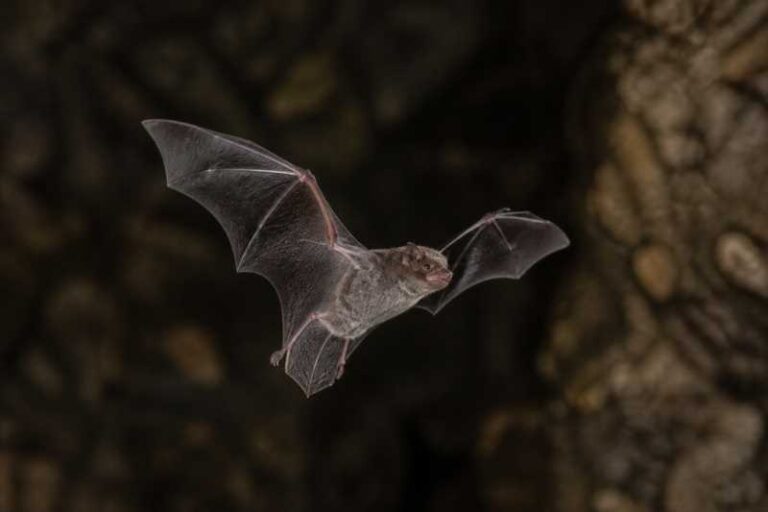
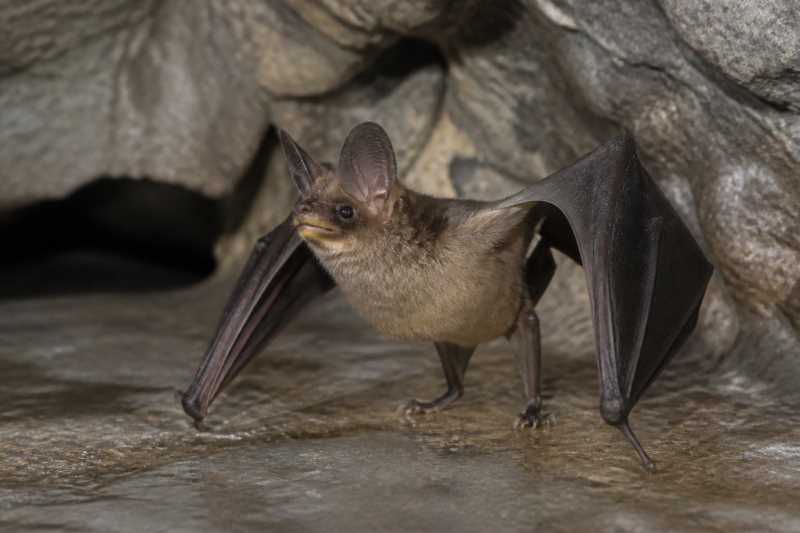
The Yellow-lipped Cave Bat is a small bat species with distinct features that aid in its identification. Adults typically weigh between 4 to 7 grams and have a wingspan of approximately 22 to 25 centimeters. Their fur is generally a light to dark brown, providing camouflage against cave walls and tree bark. The most distinguishing feature of the Yellow-lipped Cave Bat is its yellowish lips, which contrast with its darker face and ears.
The ears of the Yellow-lipped Cave Bat are relatively large and rounded, aiding in their keen sense of hearing, which is essential for echolocation. Their wing membranes are thin yet durable, allowing for agile and rapid flight. The tail is enclosed within the interfemoral membrane, a characteristic feature of the Vespertilionidae family.
Range and Habitat
The Yellow-lipped Cave Bat is endemic to Australia, with a distribution range that primarily includes the eastern and southeastern parts of the continent. They are commonly found in regions such as New South Wales, Victoria, and parts of Queensland. These bats inhabit a variety of environments, including forests, woodlands, and caves, where they roost in small colonies.
Caves are particularly vital for the Yellow-lipped Cave Bat, providing a safe haven for roosting during the day. They are also known to utilize tree hollows and man-made structures as alternative roosting sites. The selection of roosting sites is influenced by factors such as temperature, humidity, and safety from predators.
Behavior and Diet
The Yellow-lipped Cave Bat is a nocturnal species, emerging from its roost at dusk to forage for food. Their diet primarily consists of insects, including moths, beetles, and mosquitoes. They play a crucial role in controlling insect populations, thereby contributing to the ecological balance.
These bats employ echolocation to navigate and locate prey in the dark. They emit high-frequency sound waves that bounce off objects and return as echoes, allowing them to detect obstacles and prey with remarkable accuracy. The Yellow-lipped Cave Bat is known for its agile flight patterns, which enable it to capture insects in mid-air with precision.
During the breeding season, which typically occurs in the spring and summer months, females give birth to a single pup. The young bats are cared for by their mothers until they are capable of independent flight and foraging.
Identification Tips
Identifying the Yellow-lipped Cave Bat in the field can be challenging due to its small size and nocturnal habits. However, there are several cues that can aid in recognition:
- Size and Shape: Look for a small bat with a wingspan of 22 to 25 cm and a weight of 4 to 7 grams.
- Coloration: Note the light to dark brown fur and the distinctive yellowish lips.
- Ears: Large, rounded ears are a key feature.
- Flight Pattern: Observe their agile and erratic flight patterns during foraging.
- Roosting Behavior: Check caves, tree hollows, and structures where they may roost.
Conservation Status
The Yellow-lipped Cave Bat is currently listed as a species of "Least Concern" by the International Union for Conservation of Nature (IUCN). However, like many bat species, they face several threats that could impact their populations in the future.
Threats:
- Habitat Loss: Deforestation and land development pose significant threats to their natural habitats.
- Disturbance: Human activities in caves and roosting sites can disrupt colonies.
- Climate Change: Alterations in climate can affect food availability and roosting conditions.
Protections:
Conservation efforts are essential to safeguard the Yellow-lipped Cave Bat. These include habitat preservation, legal protection of roosting sites, and public education to reduce disturbances. Monitoring programs are also crucial for assessing population trends and implementing effective conservation strategies.
Frequently Asked Questions
1. What is the primary diet of the Yellow-lipped Cave Bat?
The Yellow-lipped Cave Bat primarily feeds on insects, including moths, beetles, and mosquitoes. They play an important role in controlling insect populations.
2. Where can the Yellow-lipped Cave Bat be found?
This bat species is native to Australia, particularly in the eastern and southeastern regions, including New South Wales, Victoria, and parts of Queensland.
3. How does the Yellow-lipped Cave Bat navigate in the dark?
They use echolocation to navigate and locate prey. By emitting high-frequency sound waves and listening to the echoes, they can detect objects and prey with precision.
4. What are the main threats to the Yellow-lipped Cave Bat?
The main threats include habitat loss due to deforestation, human disturbances at roosting sites, and the impacts of climate change on their ecosystem.
5. How can we help in the conservation of the Yellow-lipped Cave Bat?
Supporting habitat preservation efforts, respecting cave environments, and spreading awareness about bat conservation are effective ways to help protect this species.
Related posts