Introduction
The Large Vesper Mouse, scientifically known as Calomys callosus, is a small rodent species belonging to the family Cricetidae. This species is native to South America and is known for its adaptability to various environments. As a member of the subfamily Sigmodontinae, the Large Vesper Mouse is part of a diverse group of rodents that play crucial roles in their ecosystems. This article delves into the fascinating world of the Large Vesper Mouse, exploring its physical characteristics, habitat, behavior, and conservation status.
Physical Description
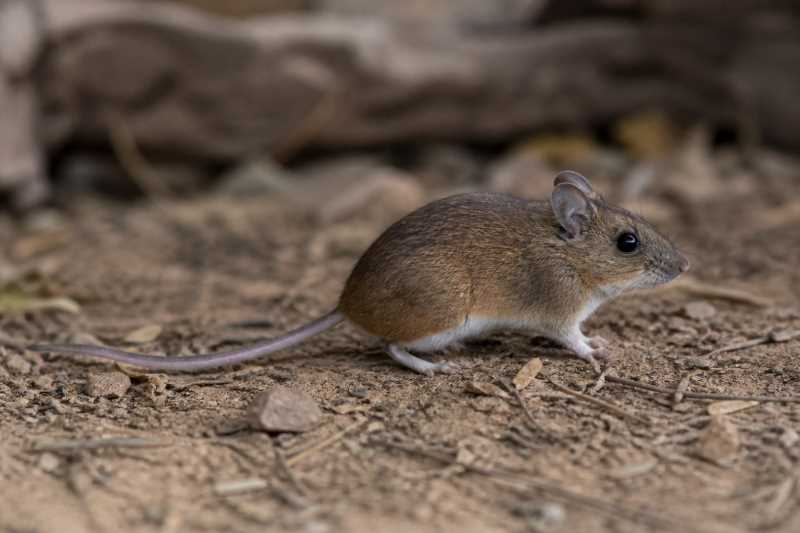
The Large Vesper Mouse exhibits several distinct physical traits that make it recognizable among rodent species. Adults typically measure between 15 to 20 centimeters in length, including the tail, which accounts for almost half of their total body length. The fur is generally short and dense, with a coloration that ranges from grayish-brown to tawny on the dorsal side, while the ventral side is often lighter, sometimes white or creamy.
The species is characterized by its robust build and elongated head, featuring large, rounded ears that aid in acute hearing. The eyes are relatively large, adapted for their crepuscular and nocturnal activities. The tail is semi-prehensile, an adaptation that provides balance and aids in climbing, although this species is primarily terrestrial. Their limbs are moderately long, with four digits on the forelimbs and five on the hindlimbs, each tipped with sharp claws suitable for digging and grasping.
Range and Habitat
The Large Vesper Mouse is native to the central regions of South America, with a distribution that spans across countries like Bolivia, Brazil, Paraguay, and northern Argentina. This species thrives in a variety of habitats, including grasslands, savannas, and subtropical or tropical dry forests.
They are particularly common in areas that provide ample ground cover, such as dense underbrush or tall grasses, which offer protection from predators. The adaptability of Calomys callosus to different environments is noteworthy, as they have been observed in both pristine natural settings and disturbed areas like agricultural lands and urban peripheries. Their ability to occupy such a wide range of habitats makes them a resilient species within their native range.
Behavior and Diet
The Large Vesper Mouse is primarily nocturnal, although it may exhibit crepuscular activity during dusk and dawn. This behavioral adaptation helps them avoid diurnal predators and the heat of the day. They are known for their solitary nature, although they may form small groups when resources are abundant.
Their diet is omnivorous, consisting mainly of seeds, fruits, and insects. They are opportunistic feeders, which means they adapt their diet based on the availability of food sources. This dietary flexibility is key to their survival in varying environmental conditions. In agricultural areas, they may consume crops, which sometimes brings them into conflict with humans.
The Large Vesper Mouse is known for its agility and speed, utilizing these traits to escape predators, which include birds of prey, snakes, and small carnivorous mammals. Their acute sense of hearing and keen eyesight also play critical roles in their ability to detect and evade threats.
Identification Tips (Field Recognition Cues)
Identifying the Large Vesper Mouse in the field can be achieved by noting several key characteristics:
- Size and Shape: Look for a small rodent with a total length of 15 to 20 centimeters, including a tail that is nearly as long as the body.
- Fur Coloration: Observe the coloration, which is typically grayish-brown to tawny on the back and lighter on the belly.
- Ears and Eyes: Note the large, rounded ears and sizable eyes, which are indicative of its nocturnal lifestyle.
- Tail: The semi-prehensile tail, which is long and thin, aids in balance and movement through vegetation.
- Habitat: Consider the habitat; they are often found in grasslands, savannas, and edges of forests.
Conservation Status (with Threats and Protections)
The Large Vesper Mouse is currently classified as a species of Least Concern by the International Union for Conservation of Nature (IUCN). This status is due to its wide distribution and presumed large population. However, certain threats could impact local populations, such as habitat loss due to agricultural expansion and urban development.
Pesticides and rodenticides used in farming can also pose significant threats, as these chemicals can reduce insect prey availability and pose direct poisoning risks. Despite these challenges, the species’ adaptability to different environments and habitats has helped maintain stable population numbers.
Conservation measures for the Large Vesper Mouse include habitat preservation and sustainable agricultural practices that minimize chemical use. Protecting natural habitats and promoting ecological corridors can help ensure the long-term survival of this species.
Frequently Asked Questions
What is the primary diet of the Large Vesper Mouse?
The Large Vesper Mouse is omnivorous, feeding mainly on seeds, fruits, and insects. Its diet can vary depending on the availability of food sources in its habitat.
How does the Large Vesper Mouse adapt to urban environments?
The species is highly adaptable and can thrive in urban environments by utilizing available resources, such as food scraps and shelter in gardens and parks.
What predators threaten the Large Vesper Mouse?
Common predators include birds of prey, snakes, and small carnivorous mammals. The mouse’s nocturnal habits, speed, and agility help it evade these threats.
How can I identify a Large Vesper Mouse in the wild?
Look for a small rodent with grayish-brown to tawny fur, large ears, and eyes, and a long, semi-prehensile tail. They are often found in grasslands and forest edges.
Are Large Vesper Mice endangered?
Currently, the Large Vesper Mouse is not endangered and is listed as Least Concern by the IUCN. However, habitat loss and agricultural practices pose localized threats.
Related posts