Introduction
The New Guinea Big-eared Bat, scientifically known as Pharotis imogene, is a fascinating yet elusive species of bat endemic to the lush rainforest environments of New Guinea. This bat is a member of the Vespertilionidae family, which is one of the largest bat families, comprising over 400 species worldwide. Despite its intriguing characteristics, the New Guinea Big-eared Bat remains one of the least studied bats, primarily due to its rarity and the dense, challenging habitats it calls home. However, recent conservation efforts and biodiversity studies have started to shine a light on this enigmatic creature, revealing its unique adaptations and ecological significance.
Physical Description
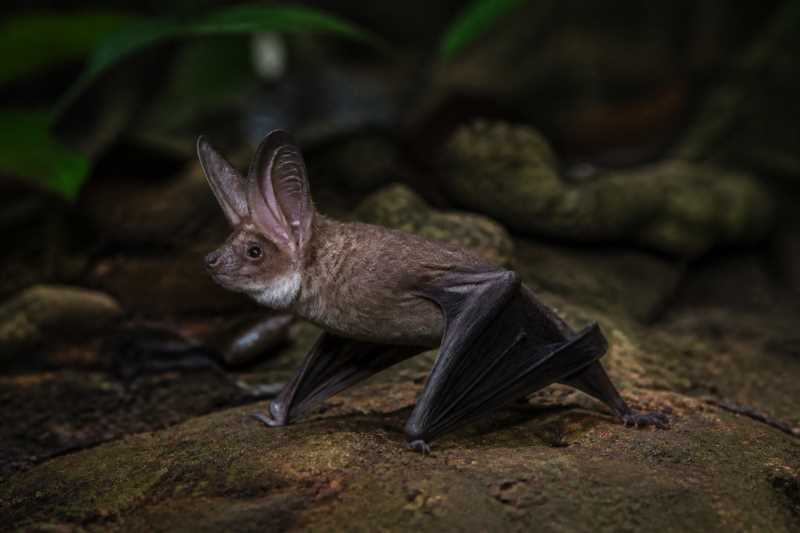
The New Guinea Big-eared Bat is aptly named for its prominent, oversized ears, which are one of its most distinguishing features. These ears not only aid in echolocation but also play a critical role in detecting prey in the dense undergrowth of its forest habitat. The bat’s body is relatively small, with a head-body length ranging from 40 to 50 millimeters, and it possesses a wingspan that extends approximately 250 millimeters.
The fur of the New Guinea Big-eared Bat is typically a muted brown, providing excellent camouflage against the bark and foliage of its forest environment. Its large eyes are adapted for low-light conditions, allowing it to navigate and hunt effectively at night. The wings are delicately structured, with a thin membrane stretched between elongated fingers, enabling agile flight through cluttered forest canopies.
Range and Habitat
Endemic to New Guinea, this species resides predominantly in the lowland rainforests and swamp forests of the island. The New Guinea Big-eared Bat thrives in areas with dense vegetation, which provides both ample food sources and protection from predators. It is most commonly found in altitudes ranging from sea level up to 1,200 meters, although sightings become increasingly rare as elevation rises.
The bats are known to roost in tree hollows, caves, and occasionally in human-made structures that mimic their natural roosting environments. These habitats offer the seclusion and safety required for daytime rest and the rearing of young bats.
Behavior and Diet
The New Guinea Big-eared Bat is primarily nocturnal, emerging at dusk to embark on nightly foraging expeditions. Its large ears are highly sensitive and are used in combination with echolocation to locate insect prey. This bat’s diet mainly comprises moths, beetles, and other small flying insects that are abundant in its rainforest habitat.
Socially, the New Guinea Big-eared Bat is believed to form small colonies, although detailed studies on its social structure are limited. The colonies typically consist of a few individuals that roost together, sharing warmth and information about food sources.
Identification Tips
Identifying the New Guinea Big-eared Bat in the field can be challenging due to its elusive nature and the dense habitats it frequents. However, there are several key features and behaviors that can aid in recognition:
- Ears: Look for the bat’s characteristically large ears, which are much larger in proportion to its head compared to other bat species.
- Flight Pattern: Observe the bat’s flight, which is agile and erratic, often close to the canopy or forest floor as it hunts for insects.
- Roosting Sites: During the day, search for potential roosting sites like tree hollows or caves within lowland rainforests.
Conservation Status
The New Guinea Big-eared Bat is currently listed as Critically Endangered on the IUCN Red List. The primary threat to its survival is habitat destruction due to logging, agricultural expansion, and mining activities that continually encroach upon its natural habitat. Additionally, climate change poses a long-term threat by altering the delicate ecosystems that this species relies on.
Conservation efforts are crucial for the survival of the New Guinea Big-eared Bat. Protected areas have been established in some parts of its range, and ongoing research aims to better understand its ecology and improve conservation strategies. Local education initiatives also play a role in raising awareness about the importance of preserving this unique species and its habitat.
Frequently Asked Questions
What is the habitat of the New Guinea Big-eared Bat?
The New Guinea Big-eared Bat inhabits lowland rainforests and swamp forests of New Guinea, favoring areas with dense vegetation and abundant insect prey.
How can you identify a New Guinea Big-eared Bat?
It can be identified by its large ears, agile flight pattern close to the forest canopy, and preference for roosting in tree hollows and caves.
Why is the New Guinea Big-eared Bat endangered?
The species is endangered due to habitat loss from deforestation, agricultural expansion, and mining, as well as the impacts of climate change.
What do New Guinea Big-eared Bats eat?
These bats have a diet consisting mainly of moths, beetles, and other small flying insects found in their rainforest habitat.
What conservation efforts are in place for the New Guinea Big-eared Bat?
Conservation efforts include habitat protection, research to understand its ecology, and local education to raise awareness about the species.
Related posts