Introduction
Moloney’s Mimic Bat, scientifically known as Mimetillus moloneyi, is a fascinating species of bat belonging to the family Vespertilionidae. This intriguing species is known for its unique mimicry and adaptation capabilities, which have piqued the interest of many researchers and nature enthusiasts. Found predominantly in Africa, Moloney’s Mimic Bat plays a vital role in the ecosystems it inhabits, contributing to insect population control and pollination.
Physical Description
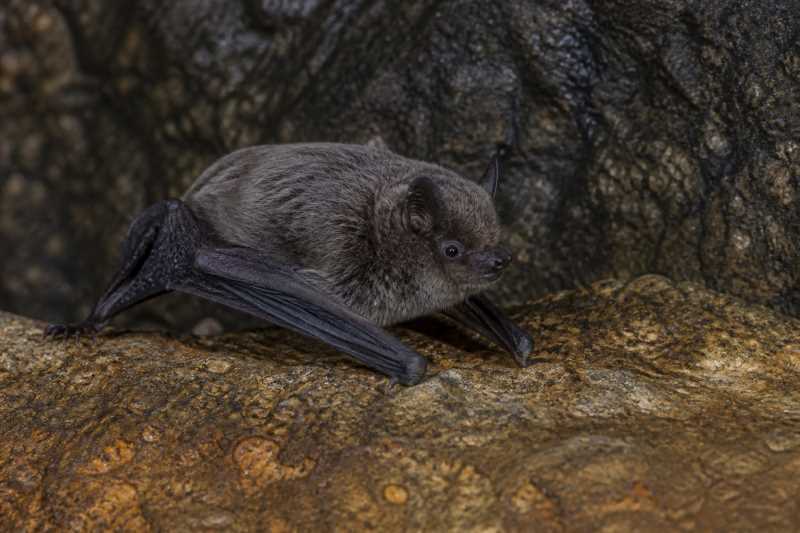
Moloney’s Mimic Bat is a small bat species with distinct physical characteristics that aid in its identification. It has a body length ranging from 4 to 5.5 centimeters and a wingspan of approximately 20 to 25 centimeters. The bat weighs between 4 to 7 grams, making it one of the lighter members of its family. Its fur is dense and typically brownish-grey, providing excellent camouflage against the bark of trees and the forest floor.
The bat’s ears are moderately large and rounded, aiding in its acute sense of hearing, which is essential for echolocation. The nose is simple and unadorned, differing from many other bat species with more complex nose-leaf structures. The tail is relatively short, extending slightly beyond the uropatagium (the membrane between the legs), which is common in many vesper bats.
Range and Habitat
Moloney’s Mimic Bat is predominantly found across Sub-Saharan Africa. Its range extends from West African countries like Sierra Leone and Liberia, through central regions including Cameroon and the Democratic Republic of the Congo, to eastern areas such as Uganda and Rwanda. This species thrives in a variety of habitats, ranging from lowland tropical rainforests to savanna woodlands. They are often found in areas with abundant trees, which provide roosting sites and foraging opportunities.
The bats usually roost in tree hollows, under bark, and in caves, adapting well to both natural and man-made structures. They prefer habitats that offer a rich supply of insects, which form the bulk of their diet.
Behavior and Diet
Moloney’s Mimic Bat is primarily nocturnal, emerging at dusk to forage for food. Its diet consists mainly of insects, including moths, beetles, and mosquitoes, which it catches in flight using echolocation. This bat’s echolocation calls are within a frequency range that allows it to detect even the smallest of prey items, making it a proficient hunter.
Socially, Moloney’s Mimic Bat is known to form small colonies, often roosting with other bat species. This communal roosting behavior provides warmth and protection from predators. The bat’s mimicry is believed to extend to its calls, potentially imitating other bat species’ echolocation to confuse predators and competitors.
Identification Tips
Identifying Moloney’s Mimic Bat in the field can be challenging due to its small size and nocturnal habits. However, there are specific cues that can aid in its identification:
- Fur Color and Texture: Look for its distinct brownish-grey fur, which is dense and fluffy.
- Size: Note its small body size and relatively large wingspan.
- Echolocation Calls: Using a bat detector, you can identify its high-frequency echolocation calls.
- Roosting Habits: Observe its preference for roosting under tree bark or in hollow trees.
Conservation Status
Currently, Moloney’s Mimic Bat is classified as "Least Concern" by the International Union for Conservation of Nature (IUCN). Despite this, the species faces several threats, primarily habitat destruction due to deforestation, agriculture expansion, and urbanization. These activities lead to the loss of roosting sites and food sources.
Conservation efforts are in place to protect the habitats of Moloney’s Mimic Bat, including the establishment of protected areas and national parks across its range. Additionally, initiatives to promote sustainable land use and reforestation are crucial in ensuring the long-term survival of this species.
Frequently Asked Questions
1. What is the primary diet of Moloney’s Mimic Bat?
Moloney’s Mimic Bat primarily feeds on insects, including moths, beetles, and mosquitoes. Its diet is facilitated by its adept use of echolocation to hunt prey in the dark.
2. Where can Moloney’s Mimic Bat be found?
This species is found across Sub-Saharan Africa, inhabiting countries like Liberia, Cameroon, and Uganda. It thrives in tropical rainforests and savanna woodlands.
3. How does Moloney’s Mimic Bat contribute to the ecosystem?
Moloney’s Mimic Bat plays a crucial role in controlling insect populations and pollinating various plant species, thus maintaining ecological balance in its habitat.
4. What are the main threats to Moloney’s Mimic Bat?
The primary threats include habitat destruction from deforestation, agricultural expansion, and urban development, leading to loss of roosting sites and food sources.
5. How can Moloney’s Mimic Bat be identified in the wild?
Key identification features include its small size, brownish-grey fur, and distinct echolocation calls. Observing its roosting habits can also aid in identification.
Related posts