Introduction
Olrog’s Chaco Mouse, scientifically known as Andalgalomys olrogi, is a fascinating mammal species native to South America. This elusive rodent is part of the Cricetidae family, which comprises a wide range of small mammals, including hamsters, voles, and New World rats and mice. Named in honor of the Argentine ornithologist Claes C. Olrog, this species provides insight into the biodiversity of the Chaco region, a unique ecosystem characterized by its dry forests and shrublands.
Understanding the characteristics and ecological role of Olrog’s Chaco Mouse is essential for conserving its habitat and ensuring the species’ survival. This article delves into the physical attributes, habitat preferences, behavior, and conservation status of this unique mammal.
Physical Description
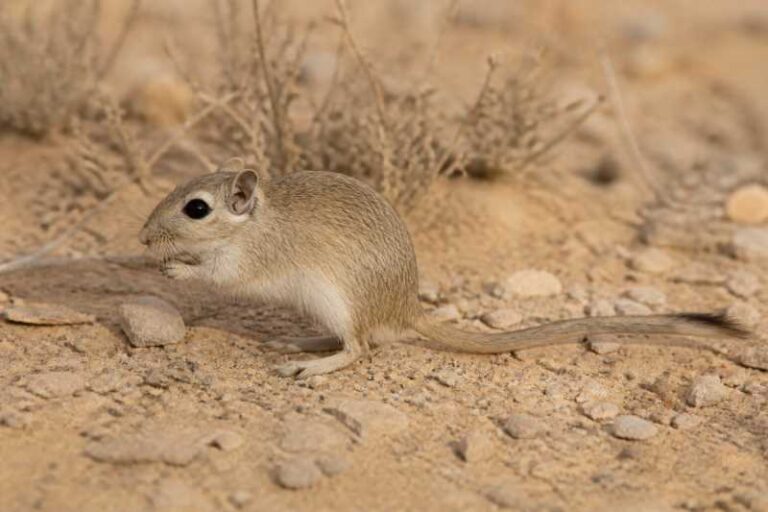
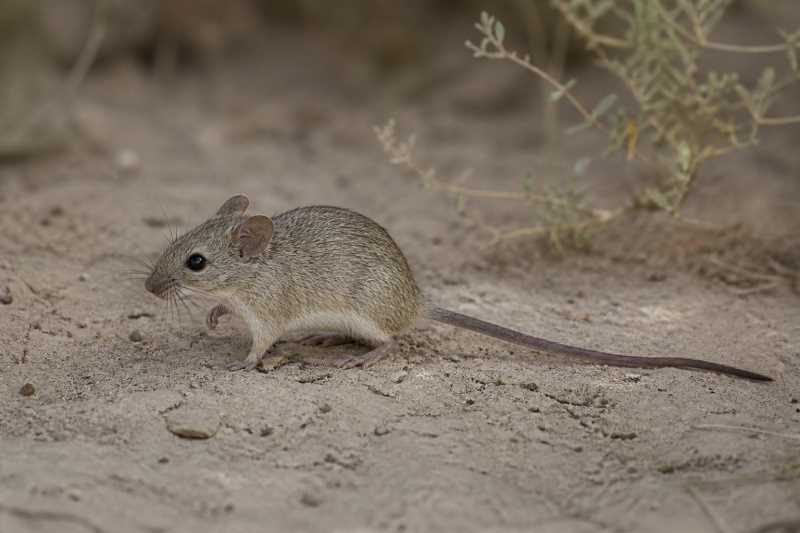
Olrog’s Chaco Mouse exhibits several distinct physical characteristics that aid in its identification. Typically, this species has a body length ranging from 80 to 110 millimeters, with a tail that is slightly shorter than its body. The fur is generally soft and dense, providing camouflage against the dry, earthy tones of its natural habitat.
The coloration of Andalgalomys olrogi is predominantly grayish-brown on the dorsal side, with a lighter, buff-colored underbelly. This color pattern not only helps in blending with the environment but also plays a role in temperature regulation, vital for adapting to the fluctuating temperatures of the Chaco region.
The mouse’s ears are medium-sized and rounded, with a subtle pink hue. Its eyes are relatively large, reflecting its nocturnal lifestyle. The limbs are short but strong, equipped with sharp claws that are essential for digging and foraging.
Range and Habitat
The distribution of Olrog’s Chaco Mouse is primarily restricted to the Gran Chaco, a vast lowland region spanning parts of Argentina, Bolivia, and Paraguay. This area is known for its semi-arid climate, marked by distinct wet and dry seasons, which significantly influence the behavioral patterns of Andalgalomys olrogi.
Habitually, Olrog’s Chaco Mouse prefers dry forests and shrublands, often inhabiting areas with abundant ground cover that provides protection from predators and harsh weather conditions. These environments are typically dominated by thorny bushes, cacti, and scattered trees, offering ample opportunities for nesting and foraging.
Behavior and Diet
Andalgalomys olrogi is primarily nocturnal, with activity peaking during the cooler hours of the night. This behavior is an adaptation to the high daytime temperatures characteristic of the Chaco region. The mouse is known for its agile movements and keen senses, which it uses to navigate its habitat and locate food sources.
The diet of Olrog’s Chaco Mouse is omnivorous, consisting of seeds, fruits, insects, and small invertebrates. This varied diet allows the species to adapt to seasonal fluctuations in food availability. Foraging is typically conducted on the ground, though the mouse can climb shrubs and low trees if necessary.
Socially, Olrog’s Chaco Mouse tends to be solitary, except during the breeding season when males and females come together. The breeding season is influenced by environmental conditions, with peaks occurring following periods of rainfall.
Identification Tips (Field Recognition Cues)
Identifying Olrog’s Chaco Mouse in the field requires careful observation of its distinguishing features:
- Size and Shape: Look for a small rodent with a body length of 80-110 mm and a tail slightly shorter than the body.
- Fur Color: Note the grayish-brown dorsal fur with a lighter, buff underbelly.
- Ears and Eyes: Medium-sized, rounded ears and large eyes suggest a nocturnal lifestyle.
- Behavior: Nocturnal activity patterns and agile movements can help differentiate it from other species.
When surveying in its natural habitat, using traps or motion-activated cameras during the night increases the chances of observing this elusive mouse.
Conservation Status (With Threats and Protections)
Currently, Olrog’s Chaco Mouse is classified as a species of Least Concern by the International Union for Conservation of Nature (IUCN). However, this status does not imply that the species faces no threats. Habitat destruction due to agricultural expansion, deforestation, and climate change poses significant risks to its survival.
Conservation efforts are crucial to preserving the Chaco ecosystem and the species that depend on it. Protecting large tracts of native vegetation, promoting sustainable land-use practices, and conducting further research on Andalgalomys olrogi are essential steps in ensuring its continued existence.
Frequently Asked Questions
Why is this species unique?
Olrog’s Chaco Mouse is unique due to its specialized adaptations to the Chaco region’s semi-arid environment. Its physical and behavioral traits, such as nocturnal activity and a varied diet, make it well-suited to the challenges of this habitat.
What are the main threats to Olrog’s Chaco Mouse?
The primary threats include habitat loss from agricultural expansion and deforestation. Climate change also poses a long-term risk by altering the availability of resources and suitable habitat conditions.
How can we help protect this species?
Supporting conservation initiatives that focus on habitat preservation, sustainable agriculture, and environmental education can significantly contribute to the protection of Olrog’s Chaco Mouse and its habitat.
What does the diet of Olrog’s Chaco Mouse consist of?
The diet is omnivorous, including seeds, fruits, insects, and small invertebrates. This dietary flexibility is crucial for surviving in an environment with seasonal food availability.
Where can Olrog’s Chaco Mouse be found?
This species is primarily found in the Gran Chaco region, spanning parts of Argentina, Bolivia, and Paraguay. It prefers dry forests and shrublands with ample ground cover.
Related posts