Introduction
The Eastern Forest Bat, scientifically known as Vespadelus pumilus, is a small bat species found primarily in the eastern regions of Australia. As a member of the Vespertilionidae family, this bat plays a vital role in the ecosystem by controlling insect populations and pollinating various plants. Despite its significance, the Eastern Forest Bat remains relatively understudied compared to other bat species, making it an intriguing subject for researchers and naturalists alike.
Physical Description
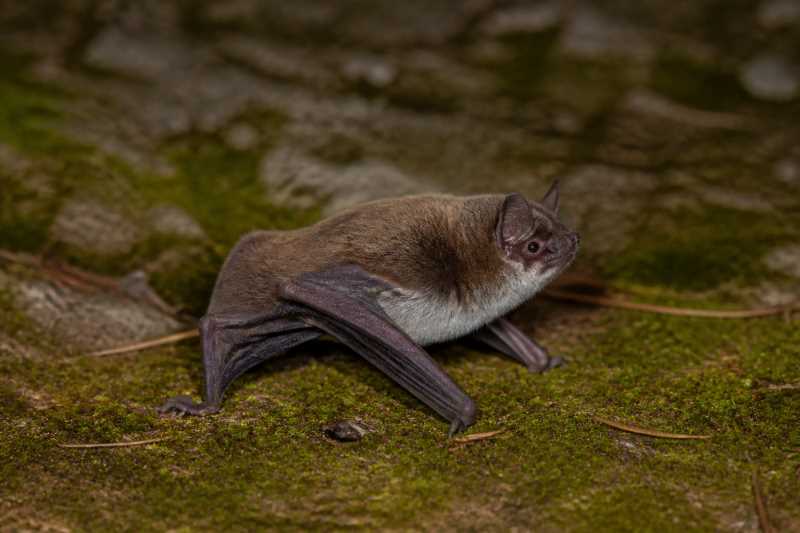
The Eastern Forest Bat is a small mammal characterized by its slender body and delicate features. It typically weighs between 4 to 6 grams, with a wingspan ranging from 20 to 25 centimeters. Its fur is soft and dense, usually a light brown or grey color, which provides excellent camouflage among the leaves and bark of trees.
Key physical features of the Eastern Forest Bat include its elongated wings and large ears, which are essential for its echolocation abilities. The bat’s muzzle is short, with a broad, flat nose that aids in detecting sound waves. The tail is relatively short compared to its body, and it is partially enclosed within the tail membrane, known as the uropatagium.
Range and Habitat
The Eastern Forest Bat is predominantly found along the eastern coast of Australia, from northern Queensland to Victoria. It inhabits a variety of forested environments, including eucalyptus woodlands, rainforests, and coastal forests. This bat species is particularly adaptable, capable of living in both dense forests and more open, fragmented landscapes.
Typically, the Eastern Forest Bat roosts in tree hollows, under bark, and occasionally in man-made structures such as buildings and bridges. The availability of suitable roosting sites is crucial for their survival, as these areas provide shelter from predators and harsh weather conditions.
Behavior and Diet
The Eastern Forest Bat is nocturnal, meaning it is active primarily at night. It emerges from its roost at dusk to forage for food, using its remarkable echolocation abilities to navigate and hunt. This bat species feeds primarily on insects, including moths, beetles, and flies, which it captures in flight using rapid, agile maneuvers.
During the day, the Eastern Forest Bat rests in its roost, often in groups that can number in the dozens. These social gatherings are vital for thermoregulation, as bats huddle together to conserve body heat. Communication within these groups is primarily through vocalizations and scent markings.
Identification Tips (Field Recognition Cues)
Identifying the Eastern Forest Bat in the field can be challenging due to its small size and nocturnal habits. However, there are several cues that can help:
- Size and Coloration: Look for a small bat with light brown or grey fur. Its size is comparable to that of a sparrow, but with more elongated wings.
- Flight Pattern: The Eastern Forest Bat has a rapid, fluttering flight, often seen darting through forest clearings or above water bodies in search of insects.
- Echolocation Calls: Using a bat detector, listen for high-frequency calls typically ranging from 40 to 50 kHz, which are characteristic of this species.
- Roosting Sites: Check tree hollows and under loose bark in forested areas, as these are common roosting sites for the Eastern Forest Bat.
Conservation Status (With Threats and Protections)
The Eastern Forest Bat is currently classified as a species of Least Concern by the International Union for Conservation of Nature (IUCN). However, like many bat species, it faces numerous threats that could impact its populations in the future.
Threats:
- Habitat Loss: Deforestation and land clearing for agriculture and urban development pose significant threats by reducing suitable roosting and foraging habitats.
- Climate Change: Altered weather patterns and increased frequency of extreme weather events can affect the availability of food and suitable roosting sites.
- Pesticides: The widespread use of pesticides can reduce insect populations, the primary food source for the Eastern Forest Bat, and can also cause direct harm to the bats themselves.
Protections:
- Habitat Conservation: Efforts to preserve and restore forest habitats, particularly through the establishment of protected areas, are crucial for the survival of the Eastern Forest Bat.
- Research and Monitoring: Ongoing research and population monitoring can provide valuable data to inform conservation strategies and ensure the long-term viability of this species.
- Public Awareness: Educating the public about the ecological importance of bats and the threats they face can foster greater support for conservation efforts.
Frequently Asked Questions
Why is this species unique?
The Eastern Forest Bat is unique due to its adaptability to various forest environments and its important ecological role in controlling insect populations. Its ability to thrive in both dense forests and fragmented landscapes demonstrates its resilience and ecological significance.
What are the main threats to the Eastern Forest Bat?
The main threats to the Eastern Forest Bat include habitat loss due to deforestation and land clearing, climate change, and the use of pesticides. These factors can lead to reduced roosting and foraging opportunities, impacting their population numbers.
How can we help protect the Eastern Forest Bat?
Protecting the Eastern Forest Bat involves preserving its natural habitats, supporting research and monitoring efforts, and raising public awareness about the importance of bats. Supporting conservation organizations and advocating for policies that protect forested areas can also contribute to their conservation.
What role does the Eastern Forest Bat play in the ecosystem?
The Eastern Forest Bat plays a crucial role in the ecosystem by controlling insect populations, which helps maintain a balanced food web. Additionally, bats contribute to pollination and seed dispersal, supporting plant diversity and forest regeneration.
Related posts