Introduction
The Congo Golden Mole, scientifically known as Huetia leucorhina, is a fascinating mammalian species that has intrigued researchers and nature enthusiasts alike. As one of the lesser-known inhabitants of the African continent, the Congo Golden Mole holds a unique place within the mammalian taxonomy, belonging to the family Chrysochloridae. This article delves into the various aspects of the Congo Golden Mole’s life, offering a comprehensive understanding of its physical characteristics, habitat, behaviors, and conservation status. As we explore this elusive creature, we aim to shed light on its ecological significance and the challenges it faces in the wild.
Physical Description
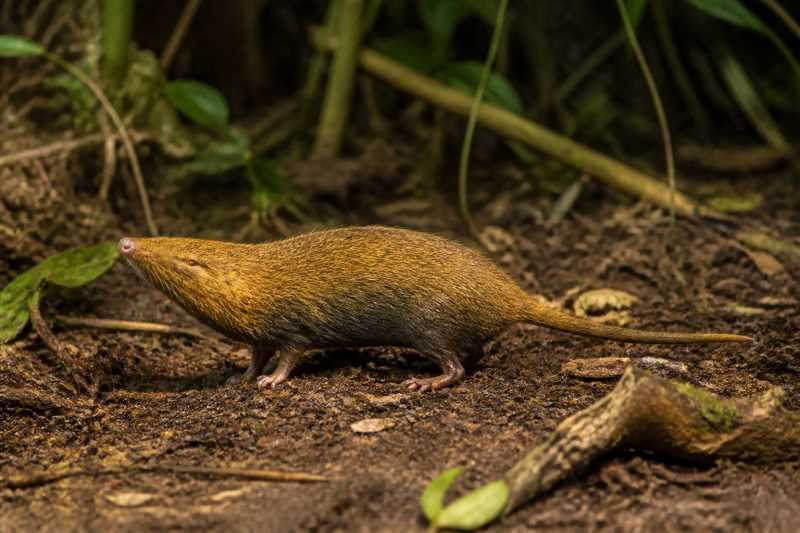
The Congo Golden Mole is a small, burrowing mammal that exhibits several adaptations to its subterranean lifestyle. Typically, this species measures about 10 to 15 centimeters in length and weighs between 50 to 80 grams. Its body is cylindrical, streamlined for efficient burrowing, and covered with dense, velvety fur that ranges in color from golden brown to dark brown. This fur not only helps in camouflage but also provides essential insulation underground.
One of the most distinctive features of the Congo Golden Mole is its head. It has a conical shape with reduced eyes completely covered by skin, an adaptation to its dark, underground environment. Instead of relying on vision, the mole has highly developed tactile and auditory senses, which aid in navigation and prey detection. The forelimbs of the Congo Golden Mole are well-adapted for digging, featuring strong claws that enable it to move efficiently through soil and sand.
Range and Habitat
The Congo Golden Mole is predominantly found in central Africa, with its range extending across parts of the Democratic Republic of Congo, Angola, and the Republic of Congo. This species inhabits a variety of environments, including tropical rainforests, savannas, and shrublands. It prefers loose, sandy soils that facilitate easy burrowing and are rich in invertebrate prey.
These moles are highly adaptable and can thrive in both primary and secondary forests, displaying a remarkable resilience to changes in their habitat. However, they are rarely seen above ground, as they spend most of their lives in extensive tunnel systems that they construct for shelter and foraging. These tunnels provide protection from predators and extreme weather conditions, making them an essential aspect of the mole’s survival strategy.
Behavior and Diet
Congo Golden Moles are primarily solitary creatures, coming together only for mating purposes. They are known for their secretive and elusive nature, which makes them a challenging subject of study for biologists. These moles are most active during the night (nocturnal) and at dawn or dusk (crepuscular), reducing the risk of predation and avoiding the heat of the day.
Their diet consists mainly of invertebrates such as earthworms, insects, and arachnids. They are opportunistic feeders, utilizing their acute sense of touch and hearing to detect vibrations in the soil caused by prey movement. Once located, the mole swiftly digs through the earth to capture its meal. Despite their small size, Congo Golden Moles are efficient hunters, capable of consuming a significant amount of food relative to their body weight.
Identification Tips (Field Recognition Cues)
Identifying the Congo Golden Mole in the field can be challenging due to its subterranean habits and elusive nature. However, there are several key indicators that can aid in recognition:
- Burrow Entrances: Look for small, rounded entrances to burrows in soft, sandy soils. These are often the only visible signs of the mole’s presence.
- Tactile Sense: While direct observation is rare, understanding the mole’s reliance on touch can help in setting up observation equipment in likely areas of activity.
- Fur and Coloration: If observed directly, note the dense, golden to dark brown fur, which is a distinctive trait of this species.
- Nocturnal Activity: Plan observations for night or twilight hours when the moles are more active.
Conservation Status (With Threats and Protections)
The conservation status of the Congo Golden Mole is currently listed as "Data Deficient" by the International Union for Conservation of Nature (IUCN). This classification highlights the lack of comprehensive data regarding its population trends and ecological requirements. Nonetheless, several threats have been identified that could impact their survival.
Threats
- Habitat Loss: The primary threat to the Congo Golden Mole is habitat destruction due to deforestation, agriculture, and urbanization, leading to a decrease in suitable habitats.
- Climate Change: Changes in climate patterns can alter the ecosystems these moles depend on, affecting food availability and habitat conditions.
- Predation: Natural predators such as birds of prey and larger mammals pose a threat, particularly when moles are above ground.
Protections
Efforts to preserve the habitats of the Congo Golden Mole are crucial for its conservation. This includes the establishment of protected areas and conservation programs aimed at conserving tropical and subtropical ecosystems. Additionally, further research is necessary to understand the species’ ecological needs and inform conservation strategies effectively.
Frequently Asked Questions
1. What adaptations help the Congo Golden Mole survive underground?
The Congo Golden Mole has several adaptations for subterranean life, including a streamlined body, reduced eyesight, and strong forelimbs with claws for digging. Its dense fur provides insulation, and its heightened sense of touch and hearing helps in navigating and locating prey underground.
2. Where can you typically find the Congo Golden Mole?
This mole is found in central Africa, particularly in the Democratic Republic of Congo, Angola, and the Republic of Congo. It inhabits a range of environments from tropical rainforests to savannas, preferring loose, sandy soils for burrowing.
3. What does the Congo Golden Mole eat?
The diet of the Congo Golden Mole primarily consists of invertebrates such as earthworms, insects, and arachnids. They are opportunistic feeders that rely on their acute sense of touch and hearing to locate prey underground.
4. How does climate change affect the Congo Golden Mole?
Climate change can impact the Congo Golden Mole by altering the ecosystems it depends on, affecting food availability and habitat conditions. Changes in precipitation and temperature can lead to habitat loss and reduced prey abundance.
5. Is the Congo Golden Mole endangered?
The Congo Golden Mole is currently listed as "Data Deficient" by the IUCN, indicating a lack of comprehensive data on its population status. However, habitat loss and other environmental threats could potentially endanger the species if not addressed.
Related posts