Introduction
The Four-toed Rice Tenrec, scientifically known as Oryzorictes tetradactylus, is a fascinating yet lesser-known mammal species native to the biodiverse island of Madagascar. This unique creature is part of the Tenrec family, which includes a wide variety of species that display remarkable diversity in size, shape, and ecological niches. The Four-toed Rice Tenrec, like its relatives, exhibits distinctive features and behaviors that make it an intriguing subject for study. Understanding its role in the ecosystem is crucial for conservation efforts, especially given the increasing threats to Madagascar’s rich biodiversity.
Physical Description
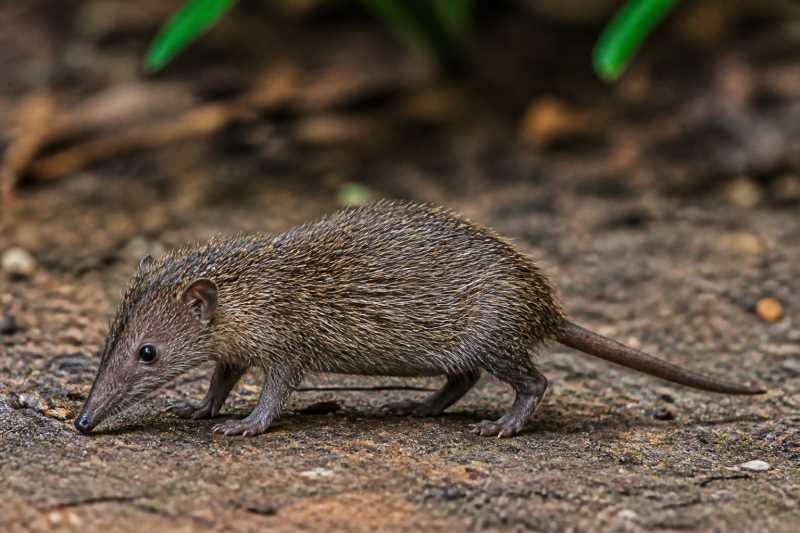
The Four-toed Rice Tenrec is a small mammal, typically measuring between 12 to 15 centimeters in length, with a tail that adds an additional 4 to 6 centimeters. Its body is covered in dense, fine fur, which is generally brown or gray, providing excellent camouflage in its natural habitat. The species is named for its distinctive four toes on each foot, a trait that distinguishes it from other tenrecs that usually have five.
One of the most notable features of the Four-toed Rice Tenrec is its elongated snout, which aids in its primary feeding behavior of rooting in the soil for insects and other invertebrates. Its small eyes and ears, along with a highly developed sense of smell and touch, are adaptations to its fossorial (burrowing) lifestyle. The limbs are short and powerful, enabling the tenrec to dig efficiently through the moist soil of rice paddies and forest floors.
Range and Habitat
The Four-toed Rice Tenrec is endemic to Madagascar, meaning it is found nowhere else in the world. Its range is primarily concentrated in the eastern and central regions of the island, where the environment ranges from lowland rainforests to montane forests. This species is particularly associated with wetland areas, including rice paddies, which offer abundant food resources and suitable conditions for burrowing.
Madagascar’s varied topography and climate zones contribute to the diverse habitats that the Four-toed Rice Tenrec can inhabit. However, the species is often found at altitudes ranging from sea level to about 1,800 meters. Despite its adaptability to different habitats, the tenrec’s reliance on specific environmental conditions makes it vulnerable to habitat alterations caused by agricultural expansion and deforestation.
Behavior and Diet
The Four-toed Rice Tenrec is primarily nocturnal, spending the daylight hours in the safety of its burrow. Its fossorial nature means it is well-adapted to a life spent largely underground, emerging at night to forage for food. The diet of this tenrec consists mainly of invertebrates, such as earthworms, insect larvae, and small arthropods, which it locates using its acute sense of smell.
In addition to its burrowing lifestyle, the Four-toed Rice Tenrec is known for its solitary behavior. Unlike some other tenrec species that may exhibit social behaviors, this species typically lives alone except during the breeding season. Reproduction occurs once a year, with females giving birth to litters of 2 to 5 young after a gestation period of approximately two months. The young are born in a burrow, where they remain until they are developed enough to fend for themselves.
Identification Tips (Field Recognition Cues)
Identifying the Four-toed Rice Tenrec in the wild can be challenging due to its nocturnal and secretive nature. However, there are several key characteristics to look for:
- Size and Shape: Look for a small, robust-bodied mammal with a length of 12 to 15 centimeters, not including the tail.
- Fur and Coloration: Note the dense, fine fur that is usually brown or gray, providing effective camouflage.
- Feet: Count the toes; this species is unique in having four toes on each foot.
- Activity Patterns: Observe nocturnal activity, as this species is rarely seen during the day.
- Habitat: Search in wetland areas, particularly rice paddies and forests, where they are most likely to be found.
Conservation Status (With Threats and Protections)
As of the latest assessments, the Four-toed Rice Tenrec is classified as "Least Concern" by the International Union for Conservation of Nature (IUCN). This classification indicates that the species is not currently at significant risk of extinction across its range. However, this status does not mean the species faces no threats.
The primary threats to the Four-toed Rice Tenrec include habitat destruction due to agricultural expansion, deforestation, and the conversion of wetlands into farmland. These activities reduce the available habitat and food resources, potentially leading to population declines. Additionally, climate change poses a long-term threat by altering the ecosystems upon which this species depends.
Conservation efforts in Madagascar are crucial to maintaining the habitats of the Four-toed Rice Tenrec. Protected areas and national parks play a significant role in preserving these environments. Continued research and monitoring of the species’ population trends and habitat conditions are essential to ensure its long-term survival.
Frequently Asked Questions
Why is this species unique?
The Four-toed Rice Tenrec is unique due to its adaptation to a fossorial lifestyle, characterized by its four toes on each foot, which distinguishes it from other tenrec species. Its exclusive presence in Madagascar and its specific habitat requirements further contribute to its uniqueness.
What threats does the Four-toed Rice Tenrec face?
The primary threats include habitat destruction from deforestation and agricultural expansion, particularly the conversion of wetlands into rice paddies. Climate change also poses a long-term threat by altering the habitats on which this species relies.
How can we help conserve the Four-toed Rice Tenrec?
Conservation efforts focus on preserving the natural habitats of Madagascar through the establishment of protected areas and national parks. Supporting sustainable agriculture practices and reducing deforestation are critical for the conservation of this species.
What is the role of the Four-toed Rice Tenrec in its ecosystem?
As an insectivore, the Four-toed Rice Tenrec plays a vital role in controlling insect populations, which can benefit agriculture by reducing pest numbers. Its burrowing activities also aid in soil aeration and nutrient mixing.
Are Four-toed Rice Tenrecs social animals?
No, Four-toed Rice Tenrecs are generally solitary creatures. They typically come together only during the breeding season. Outside of this period, they prefer to live and forage alone.
Related posts