Introduction
The dusky-footed sengi (Elephantulus fuscipes) is a fascinating small mammal belonging to the order Macroscelidea, commonly known as elephant shrews. Despite their name, these creatures are not related to true shrews. Instead, they share a closer evolutionary lineage with elephants and aardvarks. Renowned for their distinctive appearance and unique behavioral characteristics, sengis are a subject of interest for both wildlife enthusiasts and researchers. This article delves into the world of the dusky-footed sengi, exploring its physical traits, habitat, diet, and conservation status.
Physical Description
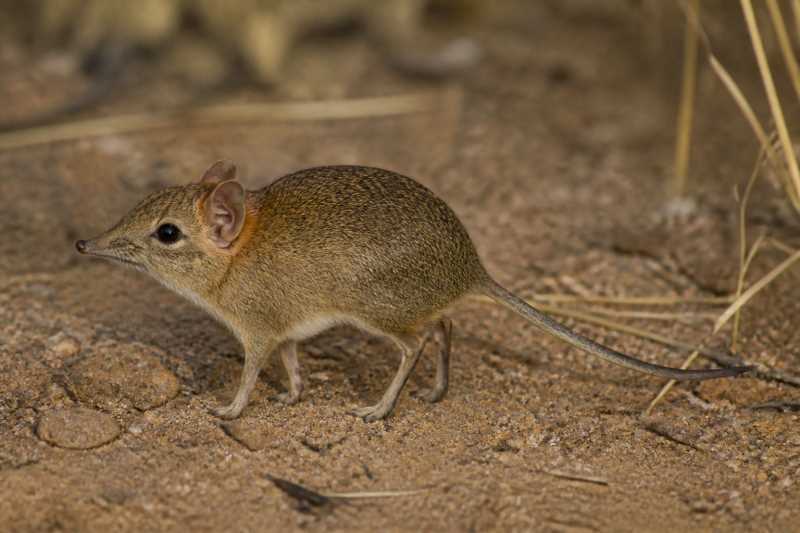
Dusky-footed sengis are small, nimble creatures typically weighing between 35 to 60 grams and measuring about 10 to 13 centimeters in body length, with a tail that adds an additional 9 to 11 centimeters. They are characterized by their elongated noses, which resemble miniature elephant trunks, hence their name. The fur of the dusky-footed sengi is generally a pale brown or gray, providing effective camouflage in their natural habitat. Their large, dark eyes and ears are well-adapted for detecting predators, while their long, slender legs are built for speed, enabling them to dart rapidly through underbrush.
Range and Habitat
The dusky-footed sengi is primarily found in the dense forests and brushlands of Central Africa. Their range includes countries such as the Democratic Republic of the Congo, Uganda, and Rwanda. These mammals prefer habitats with thick undergrowth and plenty of ground cover, which offer protection from predators and ample foraging opportunities. The forest floors they inhabit are rich with leaf litter, providing a diverse array of insects for their diet.
Behavior and Diet
Dusky-footed sengis are diurnal, meaning they are active during the day and rest at night. They are solitary animals, typically only coming together during the breeding season. These mammals are known for their intricate trail systems, which they maintain to ensure quick escape routes from predators.
Their diet primarily consists of insects such as ants, termites, and beetles, although they will occasionally consume plant matter. Sengi use their long, sensitive noses to sniff out prey hidden beneath leaves and soil. Their quick reflexes and agility make them adept hunters of small invertebrates.
Identification Tips (field recognition cues)
Identifying a dusky-footed sengi in the wild can be challenging due to their elusive nature and adept camouflage. However, there are several key features to look for:
- Long, slender trunk-like nose: This distinctive feature is a primary identifying characteristic.
- Large, dark eyes and ears: These are adapted for heightened senses in the dense forest environment.
- Pale brown or gray fur: This provides excellent camouflage among leaf litter and forest debris.
- Rapid, darting movement: Sengis are known for their speed and agility, often sprinting in short bursts.
Conservation Status (with threats and protections)
As of the latest assessments, the dusky-footed sengi is classified as "Least Concern" by the International Union for Conservation of Nature (IUCN). This status is due to their relatively wide distribution and presumed large population. However, they face threats such as habitat destruction from logging and agricultural expansion, which reduce the dense forest cover they depend on.
Conservation efforts focus on preserving their natural habitats through the establishment of protected areas and sustainable land-use practices. Research into their ecology and behavior also supports conservation strategies by increasing understanding of their needs and threats.
Frequently Asked Questions
What do dusky-footed sengis eat?
Dusky-footed sengis primarily consume insects, such as ants, termites, and beetles. They occasionally eat plant matter when available.
Where can you find dusky-footed sengis?
They are found in Central Africa, particularly in the dense forests and brushlands of countries like the Democratic Republic of the Congo, Uganda, and Rwanda.
How do dusky-footed sengis protect themselves from predators?
They maintain intricate trail systems for quick escapes and rely on their speed, agility, and keen senses to avoid predators.
Are dusky-footed sengis related to elephants?
Despite their name, they are not directly related to elephants but share a distant evolutionary connection, placing them closer to elephants than true shrews.
How do you identify a dusky-footed sengi in the wild?
Look for their long, trunk-like nose, large eyes and ears, pale brown or gray fur, and their rapid, darting movements through the forest underbrush.
Related posts