Northern Gracile Opossum: A Comprehensive Guide to Gracilinanus marica
Introduction
The Northern Gracile Opossum, scientifically known as Gracilinanus marica, is a fascinating marsupial species belonging to the family Didelphidae. This small and agile mammal is native to South America and is known for its distinct physical features and intriguing behaviors. Despite its elusive nature, the Northern Gracile Opossum plays a vital role in its ecosystem. This article delves into the various aspects of the Northern Gracile Opossum, providing detailed insights into its physical description, range and habitat, behavior and diet, field identification tips, conservation status, and more.
Physical Description
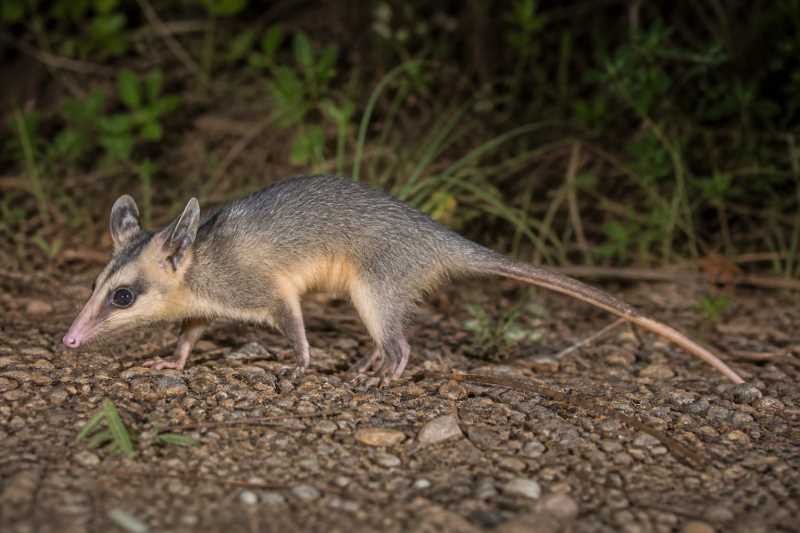
The Northern Gracile Opossum is a small-sized marsupial, typically measuring between 10 to 15 centimeters in body length, with a tail that adds an additional 13 to 18 centimeters. It possesses a slender build, which is a characteristic feature of the gracile opossums. The fur of Gracilinanus marica is soft and dense, with a coloration that varies from grayish-brown on the dorsal side to a lighter, whitish hue on the ventral side.
One of the distinguishing features of the Northern Gracile Opossum is its large, rounded ears, which are well-adapted for detecting sound in its environment. Additionally, it has prominent black eyes, which aid its nocturnal lifestyle. Its prehensile tail is an essential adaptation, enabling the opossum to grasp branches and navigate through its arboreal habitat efficiently.
The paws of the Northern Gracile Opossum are equipped with sharp claws, allowing it to climb and forage effectively. Unlike some other marsupials, this species does not possess a well-developed pouch; instead, female opossums have a simple fold of skin where they carry their young.
Range and Habitat
The Northern Gracile Opossum is primarily found in the tropical and subtropical regions of northern South America. Its range extends across countries such as Venezuela, Colombia, and parts of Brazil. This species thrives in a variety of habitats, including lowland tropical forests, montane forests, and secondary growth areas.
The opossum’s habitat preference leans towards areas with dense vegetation, which offers ample cover and feeding opportunities. It is often found in regions that have a rich diversity of flora, providing both food resources and nesting sites. The Northern Gracile Opossum is an arboreal species, favoring trees and shrubs as its primary dwelling.
Despite its preference for forested areas, Gracilinanus marica has demonstrated adaptability to other environments, including plantations and agricultural landscapes, where it can exploit available resources.
Behavior and Diet
The Northern Gracile Opossum is predominantly nocturnal, conducting most of its activities under the cover of darkness. During the day, it seeks refuge in nests made from leaves or in tree hollows, emerging at night to forage and explore.
This species is solitary, with individuals maintaining distinct home ranges that they mark using scent glands. The opossum is an omnivore, with a diet that includes a variety of foods such as fruits, insects, small vertebrates, and occasionally, plant matter. Its foraging behavior is opportunistic, allowing it to exploit a wide range of food sources depending on availability.
The Northern Gracile Opossum plays a crucial role in its ecosystem, acting as both a predator of insects and a prey species for larger predators. Its dietary habits also contribute to seed dispersal, aiding in the propagation of various plant species.
Identification Tips
Identifying the Northern Gracile Opossum in the field requires careful observation of several key characteristics. Here are some tips for recognizing Gracilinanus marica:
- Size and Build: Look for a small, slender-bodied marsupial with a total length (including tail) of around 23 to 33 centimeters.
- Fur Color: Note the grayish-brown dorsal fur and lighter ventral coloration, which can help differentiate it from other opossums.
- Ears and Eyes: Large, rounded ears and prominent black eyes are distinctive features.
- Tail: Observe the prehensile tail, which is often used for climbing and balancing.
- Habitat: Focus on areas with dense vegetation and arboreal settings, as this species is most commonly found in such environments.
Conservation Status
The Northern Gracile Opossum is currently classified as Least Concern by the International Union for Conservation of Nature (IUCN). However, like many wildlife species, it faces threats from habitat destruction, primarily due to deforestation and land conversion for agriculture.
Despite its current status, ongoing habitat loss poses a significant threat to its populations. Conservation efforts are essential to ensure the preservation of its natural habitats and to mitigate human-induced pressures. Protected areas and national parks in its range provide some level of protection, but continuous monitoring and habitat management are crucial.
Public awareness and community involvement in conservation initiatives can also contribute to the protection of Gracilinanus marica. Sustainable land-use practices and reforestation efforts can help maintain suitable habitats for this species and others that share its environment.
Frequently Asked Questions
What is the primary diet of the Northern Gracile Opossum?
The Northern Gracile Opossum is an omnivore, feeding on a diverse diet that includes fruits, insects, small vertebrates, and plant matter. Its opportunistic feeding habits enable it to adapt to varying food availability in its habitat.
How can I differentiate a Northern Gracile Opossum from other opossums?
Key identification features include its small size, slender build, grayish-brown dorsal fur, large rounded ears, prominent black eyes, and a prehensile tail. Observing these characteristics in combination with its arboreal habitat can aid in distinguishing it from other opossum species.
What threats does the Northern Gracile Opossum face?
The primary threats to the Northern Gracile Opossum include habitat destruction due to deforestation and land conversion for agriculture. While currently classified as Least Concern, ongoing habitat loss could impact its populations without adequate conservation measures.
Where is the Northern Gracile Opossum commonly found?
This species is native to northern South America, with its range extending across countries such as Venezuela, Colombia, and Brazil. It typically inhabits tropical and subtropical forests with dense vegetation.
What role does the Northern Gracile Opossum play in its ecosystem?
The Northern Gracile Opossum acts as both a predator and prey species within its ecosystem. It helps control insect populations and contributes to seed dispersal, promoting plant diversity and forest regeneration.
Related posts