Introduction
The Cretan White-toothed Shrew (Crocidura zimmermanni) is a fascinating and elusive small mammal native to the island of Crete, Greece. This diminutive creature has intrigued scientists and naturalists alike due to its unique evolutionary history and specialized habitat. As one of the few endemic mammals to Crete, the Cretan White-toothed Shrew represents a critical component of the island’s biodiversity. In this article, we will explore various aspects of Crocidura zimmermanni, including its physical description, range and habitat, behavior and diet, identification tips, conservation status, and answers to frequently asked questions.
Physical Description
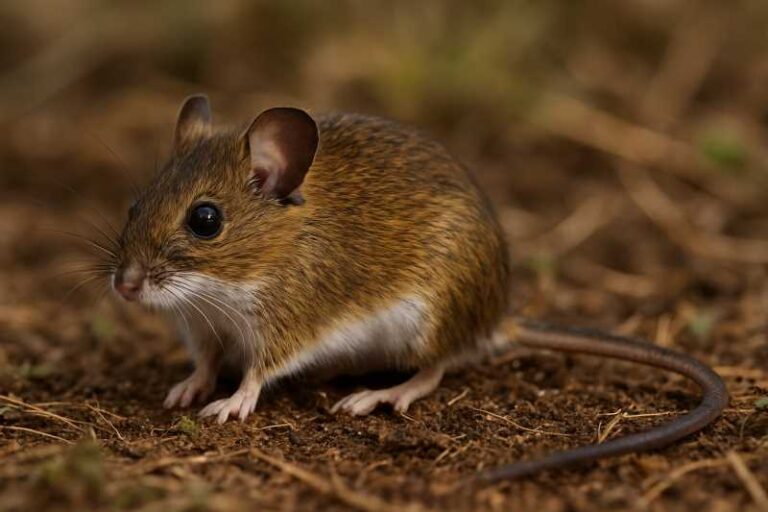
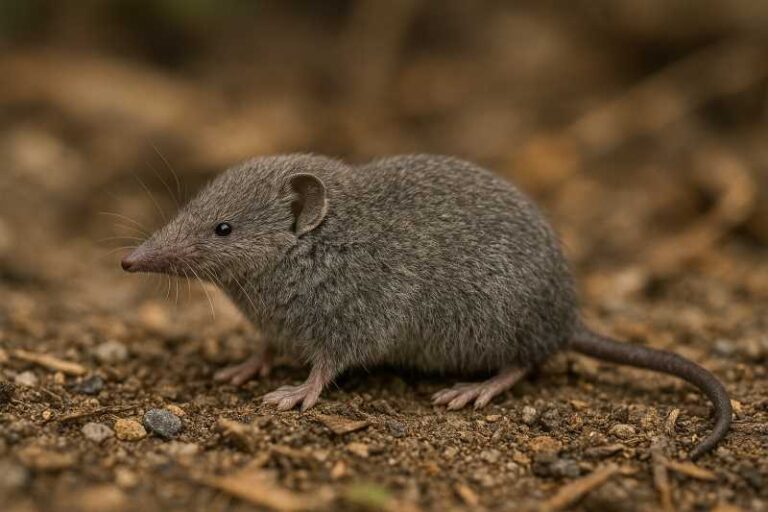
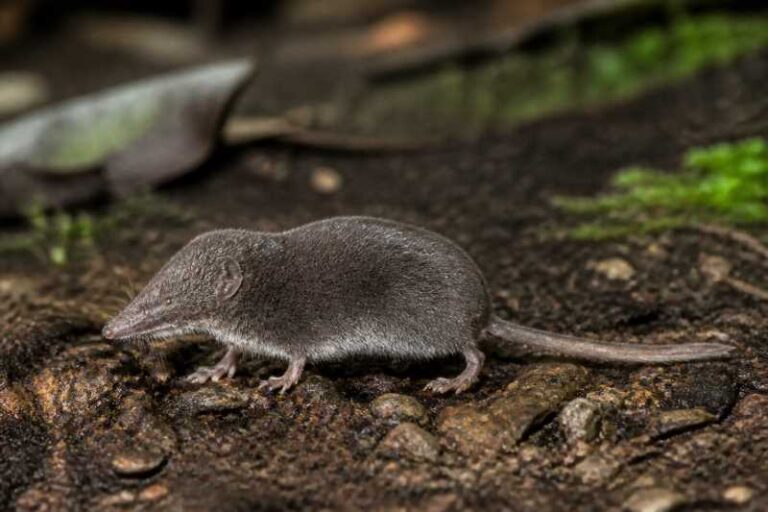
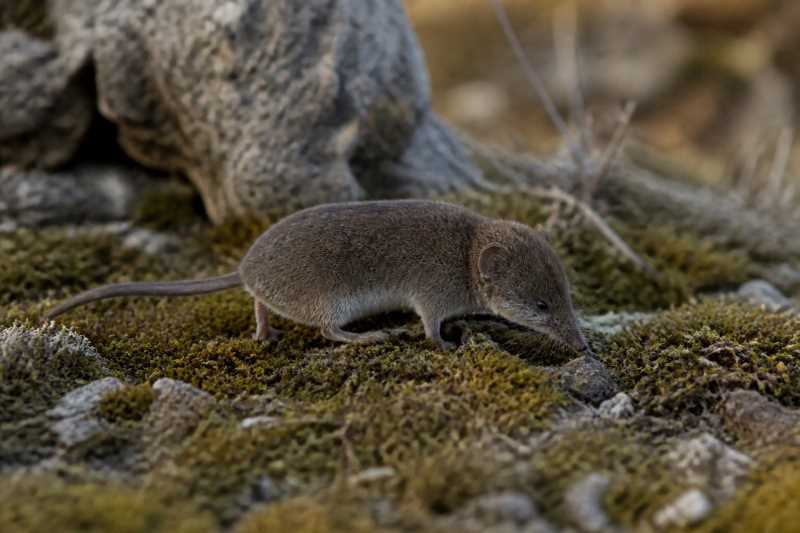
The Cretan White-toothed Shrew is a small insectivorous mammal belonging to the family Soricidae. It typically measures between 60 to 80 mm in body length, with a tail length of approximately 30 to 40 mm. This shrew species is characterized by its slender body, elongated snout, and relatively small eyes. The fur of the Cretan White-toothed Shrew is soft and velvety, with a coloration that ranges from grayish-brown to gray, offering a degree of camouflage against the rocky terrain of its habitat.
One of the distinguishing features of Crocidura zimmermanni is its white teeth. Unlike many other shrew species with pigmented teeth, the Cretan White-toothed Shrew’s teeth lack pigmentation, giving them a distinct white appearance. This feature is not only an identification marker but also has evolutionary implications linked to its dietary habits and habitat.
Range and Habitat
Crocidura zimmermanni is endemic to the island of Crete, which means it is found nowhere else in the world. Its range is primarily limited to the mountainous regions of the island, where it inhabits a variety of microhabitats. These include rocky slopes, grasslands, and dense underbrush, often at elevations ranging from 300 to 1,800 meters above sea level.
The shrew’s habitat is characterized by a Mediterranean climate with hot, dry summers and mild, wet winters. This climate influences the availability of food resources and the shrew’s activity patterns. The presence of dense ground cover, such as shrubs and low vegetation, provides essential protection against predators and harsh environmental conditions.
Behavior and Diet
The Cretan White-toothed Shrew is primarily nocturnal, displaying peak activity during the twilight hours of dusk and dawn. This behavior helps the shrew avoid predation and extreme temperatures. It is a solitary animal, with individuals maintaining small home ranges that they actively defend against intruders.
Dietarily, the Cretan White-toothed Shrew is insectivorous, feeding on a variety of invertebrates, including insects, spiders, and small snails. Its elongated snout and sharp teeth are well-adapted for capturing and consuming prey. The shrew’s metabolism is exceptionally high, requiring it to consume food frequently throughout the day and night. This constant need for food drives much of its foraging behavior and territoriality.
Identification Tips (Field Recognition Cues)
Identifying the Cretan White-toothed Shrew in the field can be challenging due to its small size and elusive nature. However, several key characteristics can aid in its identification:
- Fur Coloration: Look for a small mammal with grayish-brown to gray fur. The fur should appear soft and velvety, providing camouflage in rocky habitats.
- White Teeth: If possible, observe the teeth, which should be distinctly white and unpigmented.
- Body Size and Shape: Note the shrew’s slender body, elongated snout, and relatively small eyes, which are typical of this species.
- Behavior: Observe activity patterns. The Cretan White-toothed Shrew is mostly active during twilight and nighttime hours.
Conservation Status (With Threats and Protections)
The Cretan White-toothed Shrew is currently classified as "Vulnerable" by the International Union for Conservation of Nature (IUCN). Several factors contribute to its threatened status, including habitat loss, land-use changes, and predation by introduced species such as domestic cats.
Habitat loss is a significant threat, driven by agricultural expansion, urban development, and tourism-related infrastructure. These activities result in the degradation and fragmentation of the shrew’s natural habitat, reducing available resources and increasing vulnerability to predators.
In response to these threats, conservation efforts are underway to protect the Cretan White-toothed Shrew and its habitat. These efforts include habitat restoration projects, public awareness campaigns, and legal protections under national and international wildlife conservation frameworks.
Frequently Asked Questions
What does the Cretan White-toothed Shrew eat?
The Cretan White-toothed Shrew primarily feeds on invertebrates, such as insects, spiders, and small snails. Its diet is adapted to the availability of prey in its habitat, and it requires frequent feeding due to its high metabolic rate.
Where can the Cretan White-toothed Shrew be found?
This shrew species is endemic to the island of Crete, Greece. It is typically found in mountainous regions, inhabiting rocky slopes, grasslands, and areas with dense ground cover at elevations between 300 and 1,800 meters.
How can I identify a Cretan White-toothed Shrew?
Key identification features include its small size, grayish-brown or gray fur, white teeth, and nocturnal behavior. Observing these traits can help distinguish it from other small mammals in the region.
What are the main threats to the Cretan White-toothed Shrew?
The primary threats include habitat loss due to agricultural expansion and urban development, as well as predation by introduced species like domestic cats. Conservation efforts are in place to mitigate these threats.
Why is the Cretan White-toothed Shrew important?
As an endemic species, the Cretan White-toothed Shrew plays a crucial role in Crete’s ecosystem. It contributes to the control of insect populations and serves as an indicator of environmental health.
Related posts