Introduction
Vivo’s Rice Rat (Cerradomys vivoi) is a fascinating small mammal native to South America. First described in the late 20th century, this species belongs to the family Cricetidae and is one of several species within the genus Cerradomys. Known for its adaptability and unique ecological niche, Vivo’s Rice Rat has piqued the interest of scientists and nature enthusiasts alike. This article delves into the various aspects of this intriguing species, including its physical traits, habitat, behavior, and conservation status, providing a comprehensive overview for anyone interested in the biodiversity of the Neotropics.
Physical Description
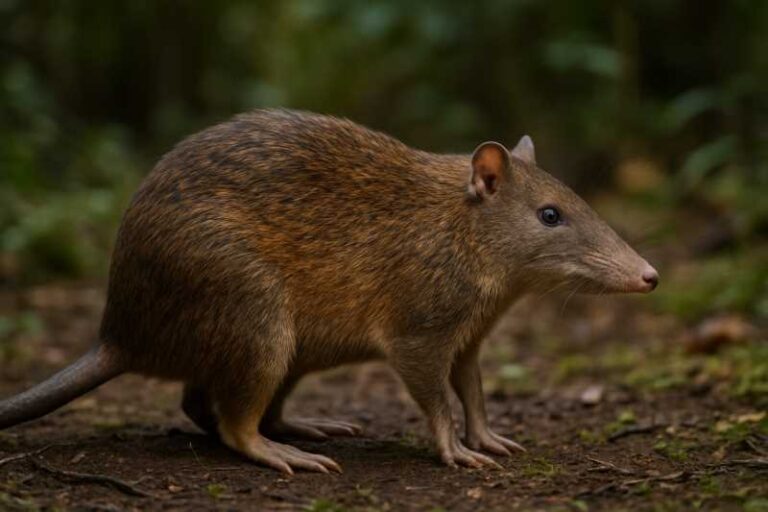
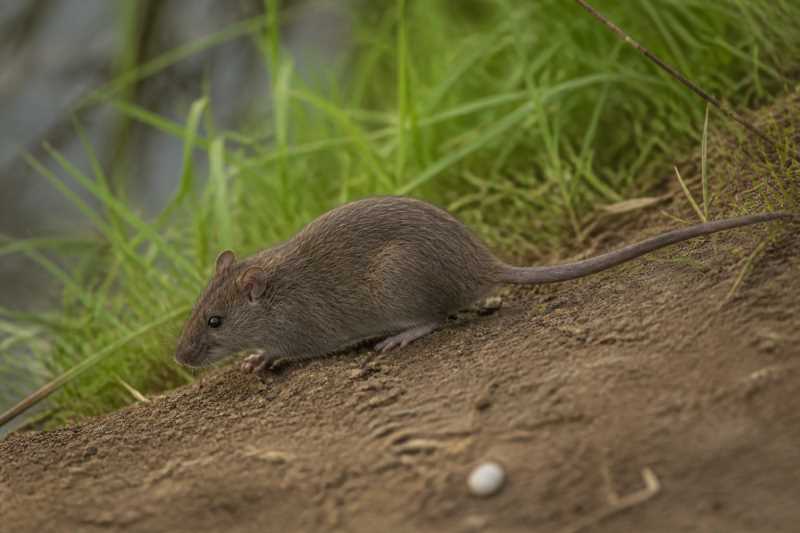
Vivo’s Rice Rat is a small rodent, typically measuring between 12 to 18 centimeters in body length, with a tail that can add an additional 15 to 20 centimeters. This species exhibits sexual dimorphism, with males generally being slightly larger than females. The fur of Cerradomys vivoi is soft and dense, featuring a distinctive brownish-gray coloration on the dorsal side, which helps it blend seamlessly into its natural surroundings. The ventral side is usually lighter, often presenting a whitish or pale gray hue.
The ears of Vivo’s Rice Rat are moderately sized and rounded, while its eyes are relatively large, suggesting a nocturnal lifestyle. Its limbs are adapted for a semi-arboreal existence, with sharp claws that aid in climbing and foraging. The tail is covered in fine hair and is often used for balance as the rodent navigates through its environment.
Range and Habitat
Vivo’s Rice Rat is primarily found in the Cerrado biome of Brazil, a vast tropical savanna characterized by a mix of grasslands, woodlands, and shrublands. This region is known for its high biodiversity and endemism, providing a rich tapestry of habitats for various species. Cerradomys vivoi thrives in areas with dense vegetation, where it can find ample cover and food resources.
In addition to the Cerrado, this species has been recorded in other similar habitats across central Brazil, including transitional zones between the Cerrado and the Amazon rainforest. This adaptability to different environments highlights the species’ resilience, although its distribution is still largely confined to specific ecological niches within these regions.
Behavior and Diet
Vivo’s Rice Rat is primarily nocturnal, using the cover of darkness to forage for food and avoid predators. Its diet is diverse, consisting mainly of seeds, fruits, and small insects. This omnivorous diet allows the species to exploit a variety of food sources, which is particularly advantageous in the fluctuating conditions of the Cerrado.
Socially, Cerradomys vivoi tends to be solitary, with individuals establishing and defending their own territories. However, during the breeding season, males may venture into the territories of females, leading to brief interactions. The species is known for its agility and quick reflexes, which are crucial for evading predators such as birds of prey and snakes.
Identification Tips (field recognition cues)
Identifying Vivo’s Rice Rat in the field can be challenging due to its elusive nature and the presence of similar species. However, several key features can aid in its recognition:
- Size and Shape: Look for a small rodent with a compact body and relatively long tail, characteristic of the Cerradomys genus.
- Coloration: Note the brownish-gray dorsal fur and lighter ventral fur, which are distinguishing traits.
- Behavior: Observe for nocturnal activity, often around dense vegetation.
- Habitat Preference: Check regions within the Cerrado biome, especially areas with abundant undergrowth.
Conservation Status (with threats and protections)
Currently, Vivo’s Rice Rat is classified as "Least Concern" by the International Union for Conservation of Nature (IUCN). However, the species faces several threats that could impact its populations in the future. Habitat destruction is the most significant threat, primarily due to agricultural expansion, urban development, and deforestation in the Cerrado region.
Efforts to conserve this habitat are crucial for the survival of Cerradomys vivoi. Protected areas within the Cerrado provide some refuge, but more extensive conservation measures are needed to ensure the long-term viability of this species. Initiatives to promote sustainable land-use practices and restore degraded habitats are critical components of these conservation strategies.
Frequently Asked Questions
What is the habitat of Vivo’s Rice Rat?
Vivo’s Rice Rat inhabits the Cerrado biome of Brazil, thriving in areas with dense vegetation such as grasslands and shrublands. It can also be found in transitional zones between the Cerrado and the Amazon rainforest.
How can you identify Vivo’s Rice Rat?
Identifying Vivo’s Rice Rat involves looking for its small size, brownish-gray dorsal fur, and nocturnal behavior. It is typically found in dense vegetation within the Cerrado biome.
What does Vivo’s Rice Rat eat?
Vivo’s Rice Rat is omnivorous, feeding on seeds, fruits, and small insects. This diverse diet allows it to adapt to the varying conditions of its habitat.
Is Vivo’s Rice Rat endangered?
Currently, Vivo’s Rice Rat is not endangered and is classified as "Least Concern" by the IUCN. However, habitat destruction poses a potential threat to its population.
Why is conservation important for Vivo’s Rice Rat?
Conservation is crucial for preserving the natural habitat of Vivo’s Rice Rat, ensuring its survival amidst threats like deforestation and agricultural expansion. Protecting the Cerrado biome benefits not only this species but also the entire ecosystem.
Related posts