Introduction
The Andean Emerald (Uranomitra franciae) is a captivating species of hummingbird that enchants birdwatchers and ornithologists alike with its vibrant plumage and agile flight. Found predominantly in the cloud forests of the Andes, this species is a testament to the biodiversity of South America. In this article, we delve into the ecology, behavior, and conservation of the Andean Emerald, highlighting its significance within the avian world.
Taxonomy and Description
The Andean Emerald belongs to the family Trochilidae, which encompasses all hummingbirds. The genus Uranomitra comprises species known for their iridescent colors and swift movements. The specific epithet ‘franciae’ honors the French ornithologist, Mrs. Francia Bourcier, reflecting the tradition of naming species after notable figures in the field.
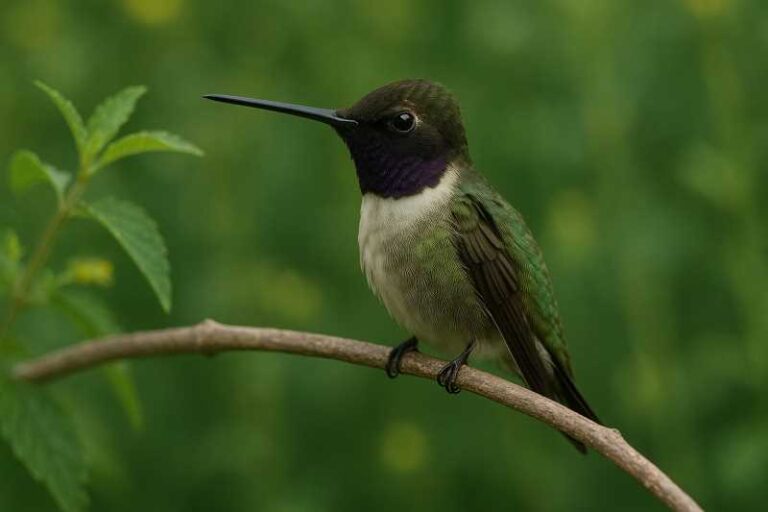
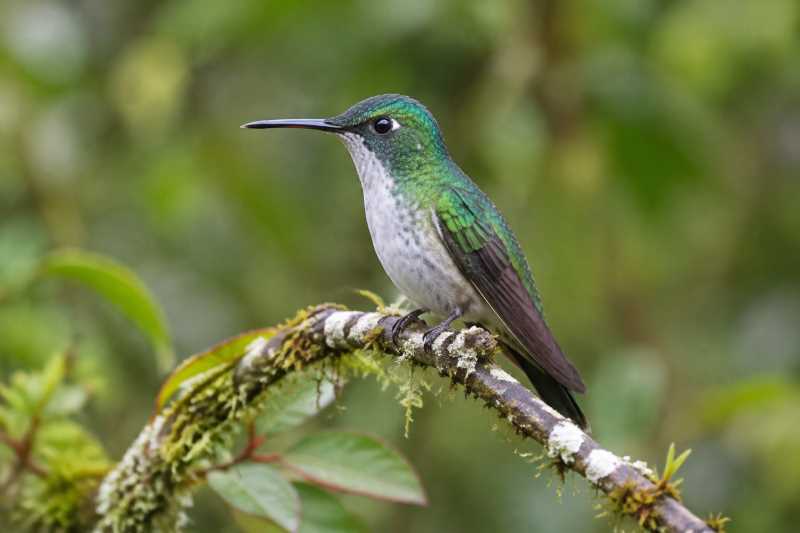
Physically, the Andean Emerald is a small hummingbird, measuring approximately 8 to 10 centimeters in length. Its most distinctive feature is its shimmering green plumage, which can appear to change color when viewed from different angles due to the microscopic structure of its feathers. The underparts are generally white, providing a striking contrast to the green of the upper body. Males and females are similar in appearance, though males often exhibit slightly more vibrant colors.
Habitat and Distribution
The Andean Emerald is predominantly found in the cloud forests of the Andes, ranging from Colombia to Peru. These forests, characterized by their misty, humid conditions, offer an abundance of flowers that are crucial to the hummingbird’s diet. The altitude range of this species typically spans from 500 to 2,500 meters above sea level, where they can exploit the ecological niches provided by these unique ecosystems.
The Andean Emerald is adapted to thrive in both primary and secondary forests, as well as in man-made habitats such as gardens and plantations, provided there are sufficient flowering plants. This adaptability is crucial for its survival, particularly as deforestation and habitat fragmentation continue to threaten many Andean ecosystems.
Feeding and Behavior
Like all hummingbirds, the Andean Emerald is a nectarivore, relying heavily on the nectar of flowering plants for sustenance. Its long, specialized bill and equally long tongue are perfectly adapted for accessing nectar deep within flowers. This feeding behavior not only provides the bird with energy but also plays a critical role in the pollination of many plant species, highlighting the hummingbird’s role as an ecological keystone.
In addition to nectar, the Andean Emerald supplements its diet with small insects and spiders, which provide essential proteins and nutrients. This dietary flexibility is particularly important during periods when flowers are less abundant.
Behaviorally, the Andean Emerald is known for its territorial nature, often defending feeding territories aggressively against intruders. During the breeding season, males engage in elaborate courtship displays, which include aerial acrobatics and vocalizations designed to attract females.
Reproduction and Lifespan
The breeding season of the Andean Emerald coincides with periods of peak flower availability, ensuring that there is sufficient food for the energy-intensive processes of courtship, nesting, and chick rearing. Nests are typically constructed in sheltered locations, often in trees or shrubs, using materials such as plant down and spider silk to create a secure environment for the eggs.
Females are solely responsible for incubating the eggs and caring for the young. Clutch sizes are generally small, with two eggs being the norm. The incubation period lasts approximately two weeks, after which the chicks are fed a diet of regurgitated nectar and insects until they fledge, usually about three weeks post-hatching.
Conservation Status and Threats
Currently, the Andean Emerald is listed as a species of ‘Least Concern’ by the International Union for Conservation of Nature (IUCN). However, like many species that inhabit the rapidly disappearing cloud forests, it faces potential threats from habitat loss due to deforestation, agriculture, and climate change.
Conservation efforts are focused on preserving critical habitats and promoting sustainable land-use practices that benefit both local communities and wildlife. Ecotourism is also playing a role in conservation by providing economic incentives to protect natural areas.
Conclusion
The Andean Emerald is more than just a dazzling jewel of the Andes; it is a vital participant in its ecosystem. Its role in pollination and its adaptability to changing environments underscore the importance of conserving such species. As we continue to confront the challenges of habitat loss and climate change, the story of the Andean Emerald serves as both a warning and an inspiration to preserve the planet’s biodiversity.
By understanding and appreciating the ecological roles and beauty of species like the Andean Emerald, we can foster a deeper commitment to conservation and ensure that future generations can continue to marvel at the wonders of the natural world.
Related posts