Southern Hairy-nosed Wombat (Lasiorhinus latifrons)
Introduction
The Southern Hairy-nosed Wombat (Lasiorhinus latifrons) is a remarkable and unique marsupial native to Australia. Known for its distinctive features and burrowing lifestyle, this species is one of three wombat species and is recognized for its adaptation to the harsh and arid environments of southern Australia. This article delves into various aspects of the Southern Hairy-nosed Wombat, including its physical description, habitat, behavior, diet, and conservation status.
Physical Description
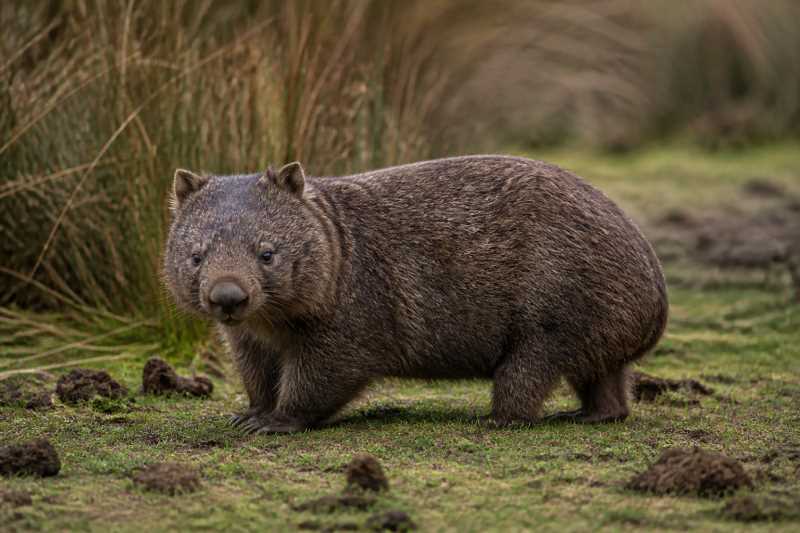
The Southern Hairy-nosed Wombat is a medium-sized marsupial, characterized by its robust, barrel-shaped body, and covered with fine, silky fur that gives it a ‘hairy-nosed’ appearance. Its coat is generally a pale grayish-brown, which provides excellent camouflage in its natural habitat.
These wombats typically measure between 77 to 93 centimeters in length, with a short, stubby tail. They weigh anywhere from 20 to 35 kilograms, with males usually being slightly larger than females. One of the distinctive features of this species is its broad, flattened head and large, pointed ears, which are lined with fur.
Their strong, muscular limbs are equipped with powerful claws, perfectly adapted for digging extensive burrow systems. The Southern Hairy-nosed Wombat’s dental structure is also unique, with ever-growing teeth that are adapted to their fibrous diet.
Range and Habitat
The Southern Hairy-nosed Wombat is primarily found in semi-arid to arid regions of southern Australia. Their range extends across areas of South Australia, western New South Wales, and southern Queensland. They prefer environments such as open woodlands, shrublands, and grasslands where they can dig their intricate burrow systems.
These wombats are well-adapted to dry environments, as they can survive without drinking water for extended periods. They obtain necessary moisture from their food and have efficient kidneys that concentrate urine to conserve water.
Behavior and Diet
The Southern Hairy-nosed Wombat is nocturnal, meaning it is most active during the night. This behavior helps them avoid the extreme daytime temperatures of their arid habitats. During the day, they retreat to their burrows, which provide a stable environment with moderate temperatures and humidity.
Wombats are solitary animals, but they may share their burrows with other individuals. Their burrows are complex and can extend over 30 meters in length, providing protection from predators and harsh weather conditions.
Their diet primarily consists of native grasses and herbs. They are herbivorous grazers with a slow metabolism, allowing them to extract maximum nutrients from fibrous and tough vegetation. This slow digestion process also helps them conserve water.
Identification Tips (Field Recognition Cues)
Identifying the Southern Hairy-nosed Wombat in the wild requires attention to several field cues:
- Silky Fur: Look for the characteristic fine, silky coat which distinguishes them from other wombat species.
- Burrow Openings: Spotting burrow entrances with a diameter of 30-40 cm can indicate wombat presence.
- Nocturnal Activity: Observing movement during dusk or night can help in locating these nocturnal creatures.
- Distinctive Droppings: Their cube-shaped droppings are unique and can be found near burrow entrances or feeding areas.
Conservation Status (With Threats and Protections)
The Southern Hairy-nosed Wombat is currently classified as "Near Threatened" on the IUCN Red List. The main threats to their population include habitat destruction due to agricultural expansion, competition with livestock for food, and disease.
Conservation efforts are underway to protect their habitats and manage disease outbreaks. Protected areas have been established, and there is ongoing research to better understand their ecology and improve management strategies.
Frequently Asked Questions
What is the average lifespan of a Southern Hairy-nosed Wombat?
Southern Hairy-nosed Wombats can live up to 15 years in the wild. In captivity, where conditions are controlled and threats are minimal, they can live up to 20 years.
How do Southern Hairy-nosed Wombats cope with arid environments?
These wombats have adapted to arid environments through several physiological and behavioral adaptations. They can survive without direct water intake by deriving moisture from their food and conserving water through highly efficient kidneys.
Are Southern Hairy-nosed Wombats solitary animals?
Yes, they are primarily solitary animals. However, they may share burrow systems with other wombats, especially when environmental conditions are favorable.
What specific threats do Southern Hairy-nosed Wombats face?
Their major threats include habitat loss due to agricultural activities, competition with livestock for food, and diseases such as mange, which can severely impact populations.
Related posts