Introduction
The White-footed Deermouse, scientifically known as Peromyscus leucopus, is a small rodent widely distributed across North America. Renowned for its adaptability and resilience, this species plays a crucial role in various ecosystems. As a nocturnal creature, the White-footed Deermouse is often elusive, yet it is a key subject of interest for researchers and wildlife enthusiasts alike. This article delves into the life of this fascinating mammal, covering aspects such as its physical characteristics, habitat preferences, behavioral patterns, and conservation status.
Physical Description
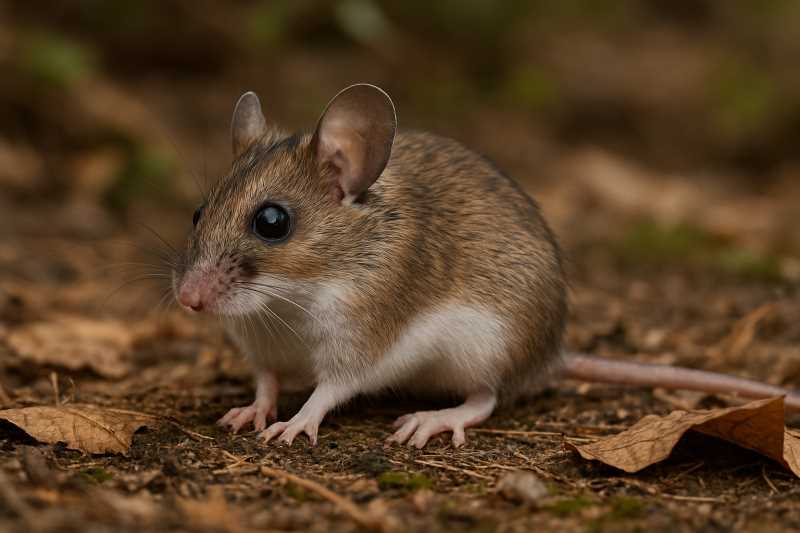
The White-footed Deermouse is a small-sized rodent with a body length ranging between 3.5 to 4 inches (8.9 to 10.2 cm) and a tail length of approximately 2.5 to 4 inches (6.4 to 10.2 cm). This mouse typically weighs between 0.6 to 1 ounce (17 to 28 grams). Its fur is characterized by a grayish-brown color on the dorsal side, while the ventral side and feet are distinctly white, giving it its name. The ears and eyes are notably large relative to its body size, aiding in its nocturnal activities. The tail is bicolored, with a dark upper side and a white underside, allowing for easy identification.
Range and Habitat
The White-footed Deermouse is predominantly found in North America, stretching from southern Canada through much of the United States and into parts of Mexico. Its habitat is diverse, ranging from forests and grasslands to brushy areas and semi-arid environments. These mice are particularly common in deciduous and mixed wood forests but are also adaptable to suburban and rural areas where they often inhabit human structures.
White-footed Deermice prefer environments with ample ground cover and vegetation, which provide protection from predators and harsh weather conditions. They are also known to construct nests in burrows, tree cavities, or abandoned bird nests, showcasing their impressive adaptability to various ecological settings.
Behavior and Diet
Primarily nocturnal, the White-footed Deermouse is most active during the night when it forages for food. Its diet is omnivorous, consisting of seeds, fruits, insects, and other small invertebrates. During the fall, these mice often hoard food in caches to prepare for winter when food sources become scarce.
Socially, the White-footed Deermouse exhibits solitary behavior, although they may be seen in pairs during the breeding season. Breeding occurs multiple times a year, with females capable of producing up to four litters annually, each averaging three to five young. The young are weaned after about three weeks and reach sexual maturity within two months.
Identification Tips (Field Recognition Cues)
Identifying the White-footed Deermouse in the field can be facilitated by focusing on several key characteristics:
- Coloration: Look for the signature white feet and underbelly contrasted against a brownish-gray back.
- Tail: The tail is distinctly bicolored, with a dark top and white underside.
- Size: Smaller than a rat, with a more delicate build and large ears.
- Habitat: Found in wooded areas, brushlands, and sometimes in human structures.
- Activity: Most active during dusk and night.
Conservation Status (with Threats and Protections)
The conservation status of the White-footed Deermouse is currently listed as Least Concern by the International Union for Conservation of Nature (IUCN). This is largely due to its wide distribution and adaptability to various environmental conditions. However, certain regional threats do exist, including habitat destruction and fragmentation due to urban development and agriculture.
Despite these threats, the species remains resilient, in part because of its ability to thrive in both natural and human-modified environments. Conservation efforts focus on habitat preservation and management to ensure the continued survival of this species. Public awareness and education programs also play a vital role in promoting the importance of biodiversity and ecosystem health.
Frequently Asked Questions
1. What do White-footed Deermice eat?
White-footed Deermice have an omnivorous diet, primarily consuming seeds, nuts, fruits, and insects. They are known to store food in caches for the winter months when resources are limited.
2. How can I differentiate a White-footed Deermouse from other mice?
Key identification features include its white feet and belly, bicolored tail, and larger eyes and ears compared to other mice. Observing these traits in conjunction with its preferred habitat can aid in identification.
3. Are White-footed Deermice dangerous to humans?
While White-footed Deermice are not inherently dangerous, they can carry diseases such as hantavirus. It’s important to take precautions when dealing with rodent infestations in homes or other structures.
4. How do White-footed Deermice adapt to urban environments?
These mice are highly adaptable and can thrive in urban settings by utilizing human-made structures for shelter and taking advantage of food sources provided by human activity.
5. What role do White-footed Deermice play in the ecosystem?
They are vital for seed dispersion and serve as prey for various predators, thus playing an integral role in maintaining ecological balance.
Related posts