Introduction
The San Felipe Hutia, scientifically known as Mesocapromys sanfelipensis, is a rare and fascinating rodent species endemic to Cuba. These small mammals belong to the family Capromyidae, often referred to as hutias, which are unique to the Caribbean region. The San Felipe Hutia is a subject of interest not only for its limited range and elusive nature but also for its role in the biodiversity of its native habitat.
Understanding the San Felipe Hutia is crucial for conservation efforts, as it faces numerous threats due to habitat destruction and other environmental pressures. This article delves into the characteristics, habitat, behavior, and conservation status of this intriguing species, providing comprehensive insights for researchers, conservationists, and wildlife enthusiasts.
Physical Description
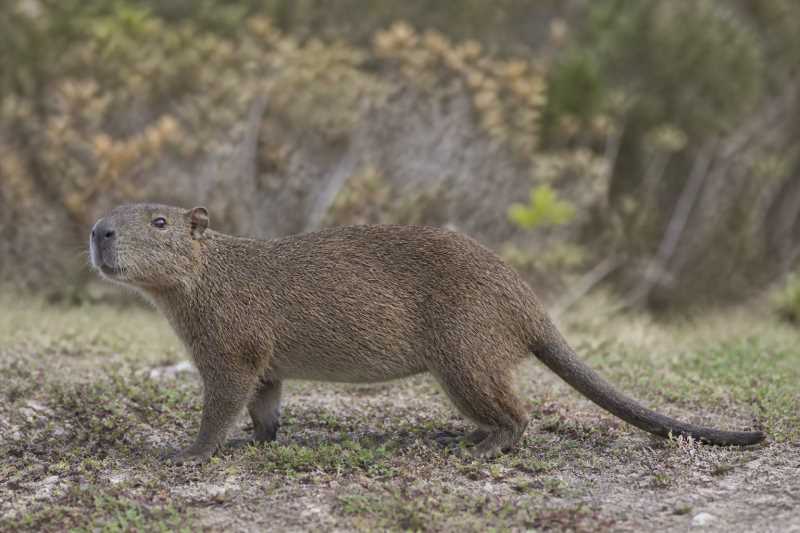
The San Felipe Hutia is a medium-sized rodent, typically measuring between 30 to 40 centimeters in length, with a tail that adds an additional 15 to 20 centimeters. This species exhibits a robust body with short, stout limbs adapted for climbing and foraging. The San Felipe Hutia’s fur is coarse and varies in color, often displaying shades of brown, gray, or reddish-brown, which provide effective camouflage against the forest floor and among the dense vegetation of its habitat.
One of the distinctive features of the San Felipe Hutia is its head, characterized by a blunt snout, small round ears, and prominent, dark eyes. The incisors are sharp and continuously growing, ideal for gnawing on tough plant material. Additionally, the tail is semi-prehensile, aiding in balance and maneuverability in trees.
Range and Habitat
The San Felipe Hutia is endemic to western Cuba, with its range primarily confined to the San Felipe Keys, a group of small islands off the northern coast. These islands provide a unique ecosystem where the hutia thrives, largely due to the availability of dense vegetation and limited presence of natural predators.
The habitat of the San Felipe Hutia is characterized by subtropical forests and mangroves, where they find shelter and food. These environments offer a variety of plant species that form the core of the hutia’s diet. The intricate network of roots, branches, and foliage provides ideal conditions for nesting and protection.
Behavior and Diet
San Felipe Hutias are primarily nocturnal, spending the daylight hours resting in burrows or natural crevices, emerging at night to forage. This behavior reduces their exposure to predators and the harsh midday sun. They are known for their social nature, often seen in small family groups, communicating through a series of vocalizations and scent markings.
Their diet is primarily herbivorous, consisting of leaves, fruits, bark, and occasionally small invertebrates. The San Felipe Hutia plays a vital role in seed dispersal, contributing to the ecological balance of their habitat. Their feeding habits also help in maintaining the health of the forest by controlling plant growth.
Identification Tips (Field Recognition Cues)
Identifying the San Felipe Hutia in the field can be challenging due to its elusive behavior and the dense habitat it occupies. However, there are several cues that can aid in recognition:
- Size and Shape: Look for a medium-sized rodent with a stocky build and a long, semi-prehensile tail.
- Fur Color: Note the coarse fur with its distinctive brownish, gray, or reddish-brown hues.
- Behavior: Look for nocturnal activity patterns and social groupings.
- Vocalizations: Listen for their unique series of grunts and squeaks, which are common during social interactions.
- Habitat: Focus on searching within dense subtropical forests and mangrove areas.
Conservation Status (with Threats and Protections)
The San Felipe Hutia is currently classified as endangered, primarily due to its restricted range and the ongoing threats to its habitat. The primary threats include habitat destruction from human activities such as agriculture, urban development, and tourism. Additionally, invasive species pose significant risks by preying on hutias or competing for resources.
Conservation efforts are underway to protect the San Felipe Hutia. These include habitat restoration projects, the establishment of protected areas, and initiatives to control invasive species. Research and monitoring of the population are also being conducted to better understand their needs and inform conservation strategies.
Frequently Asked Questions
- What is the natural habitat of the San Felipe Hutia?
The San Felipe Hutia naturally inhabits the subtropical forests and mangroves of the San Felipe Keys in Cuba. These environments provide the necessary shelter, food, and protection crucial for their survival.
- How does the San Felipe Hutia contribute to its ecosystem?
The San Felipe Hutia contributes to its ecosystem by dispersing seeds and controlling vegetation growth, which helps maintain the ecological balance and health of the forest.
- What are the main threats to the San Felipe Hutia?
The main threats include habitat destruction due to human activities, competition, and predation by invasive species, and the limited geographic range that makes them vulnerable to environmental changes.
- Are there any conservation programs for the San Felipe Hutia?
Yes, there are several conservation programs focused on habitat restoration, establishment of protected areas, and research initiatives aimed at understanding and mitigating the threats faced by the San Felipe Hutia.
- How can I help in the conservation of the San Felipe Hutia?
Supporting conservation organizations, raising awareness about the species, and promoting sustainable practices that protect their natural habitat are some ways individuals can contribute to the conservation of the San Felipe Hutia.
Related posts