Introduction
The Paraná River Mastiff Bat, scientifically known as Molossus paranaensis, is a fascinating mammal species belonging to the family Molossidae. Discovered relatively recently, this bat is part of the diverse and ecologically significant group of free-tailed bats, renowned for their adaptability and unique flight abilities. The Paraná River Mastiff Bat, named after its prominent habitat near the Paraná River, plays an essential role in its ecosystem, contributing to insect population control and serving as a bioindicator of environmental health. This article delves into the various aspects of this intriguing mammal species, offering insights into its physical characteristics, habitat preferences, behavior, and conservation status.
Physical Description
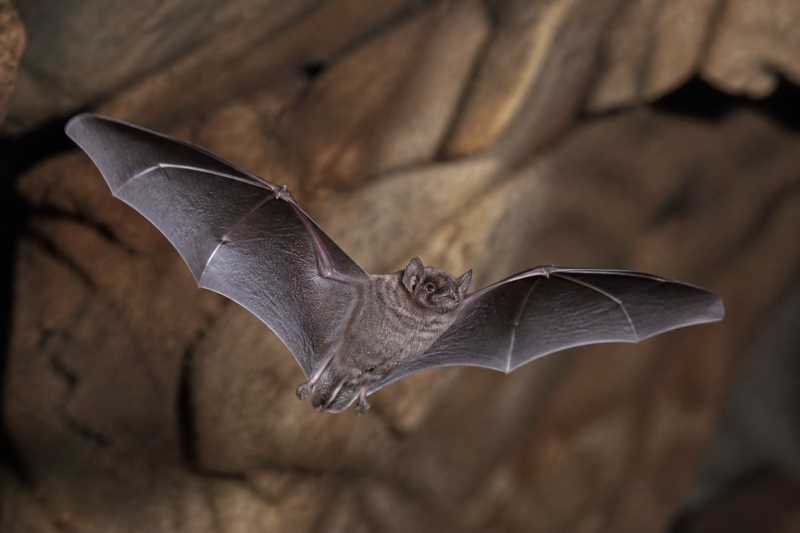
The Paraná River Mastiff Bat exhibits distinct physical traits that make it recognizable among the Molossidae family. Typically, adults measure between 9 to 11 centimeters in body length, with a wingspan reaching up to 35 centimeters. Weighing approximately 20 to 30 grams, these bats have a robust build that supports their agile flight.
The bat’s fur is short and smooth, predominantly dark brown or black, which aids in camouflage during roosting. The species is characterized by its mastiff-like facial features, including a broad snout and pronounced, rounded ears that enhance its nocturnal hearing abilities. These adaptations are crucial for echolocation, allowing the bat to navigate and hunt efficiently in the dark.
Unlike many other bat species, the Paraná River Mastiff Bat has a free tail extending beyond the tail membrane, a defining trait of the Molossidae family. This feature assists in maneuverability and stability during flight, facilitating their remarkable aerial acrobatics.
Range and Habitat
The Paraná River Mastiff Bat is primarily found in South America, with its distribution closely linked to the ecosystems surrounding the Paraná River. This expansive river system provides a variety of habitats that support the bat’s life cycle, including riverine forests, wetlands, and agricultural lands.
These bats are adaptable and can thrive in both natural and modified landscapes, often roosting in tree hollows, caves, and man-made structures such as bridges and buildings. Their presence in diverse environments highlights their ecological versatility and resilience, although they have a preference for areas that offer ample insect prey and roosting opportunities.
The Paraná River region, characterized by a warm climate and abundant biodiversity, provides ideal conditions for the Paraná River Mastiff Bat. However, habitat changes due to urban development and agriculture pose challenges to their traditional roosting and foraging grounds.
Behavior and Diet
The Paraná River Mastiff Bat is primarily nocturnal, emerging at dusk to embark on nightly foraging expeditions. These bats are insectivorous, relying on a diet of flying insects such as moths, beetles, and mosquitoes. Their predation on insects makes them valuable for controlling pest populations, benefiting both natural ecosystems and human agricultural activities.
Using echolocation, the bats emit high-frequency sound waves that bounce off objects, enabling them to detect and capture prey with remarkable precision. Their swift and agile flight patterns are optimized for catching insects mid-air, a skill honed by their aerodynamic body structure and wing morphology.
Socially, the Paraná River Mastiff Bat exhibits colonial behavior, often roosting in groups that can range from a few individuals to several hundred. This social structure provides benefits such as increased protection from predators and enhanced thermoregulation. Communication within colonies is facilitated by a range of vocalizations and chemical signals, essential for maintaining group cohesion and coordinating activities.
Identification Tips (Field Recognition Cues)
Identifying the Paraná River Mastiff Bat in the field requires attention to several key characteristics:
- Size and Shape: Look for a medium-sized bat with a robust body and a distinctive free tail extending beyond the tail membrane.
- Fur Coloration: Note the dark brown to black fur, which is smooth and short.
- Facial Features: Observe the broad snout and rounded ears, which are indicative of the Molossidae family.
- Flight Patterns: Watch for agile and rapid flight, often occurring at dusk and dawn when they are most active.
- Habitat: Consider the environment; these bats are frequently found near water bodies and in areas with abundant insect activity.
Conservation Status (with Threats and Protections)
As of the latest assessments, the Paraná River Mastiff Bat is not listed as endangered, but it faces several environmental threats that could impact its populations. Habitat destruction due to urban expansion, agriculture, and deforestation poses significant risks, as these activities reduce available roosting and foraging sites.
Pollution, particularly pesticide use, can also affect their food sources and overall health. Additionally, climate change introduces uncertainties regarding habitat stability and food availability.
Conservation efforts for the Paraná River Mastiff Bat focus on habitat preservation and restoration, aiming to maintain and enhance the natural landscapes that support their populations. Protected areas along the Paraná River and environmental regulations that limit pesticide use are vital for ensuring their continued survival.
Public awareness campaigns and community involvement in bat conservation can further contribute to the protection of this species, highlighting the ecological benefits they provide and the importance of biodiversity.
Frequently Asked Questions
1. What is the Paraná River Mastiff Bat’s role in the ecosystem?
The Paraná River Mastiff Bat plays a crucial role in controlling insect populations, particularly pests that affect crops and can carry diseases. By preying on flying insects, these bats contribute to maintaining ecological balance and reducing the need for chemical pest control, benefiting both natural and agricultural ecosystems.
2. How can I help in the conservation of the Paraná River Mastiff Bat?
You can support conservation efforts by advocating for the protection of natural habitats, participating in citizen science projects that monitor bat populations, and reducing pesticide use in your community. Educating others about the ecological importance of bats and their role in biodiversity can also foster greater conservation awareness.
3. Are Paraná River Mastiff Bats dangerous to humans?
Paraná River Mastiff Bats are not dangerous to humans. They are insectivorous and play a beneficial role in controlling pest populations. However, like all wildlife, it is important to observe them from a distance and avoid disturbing their natural habitats.
4. What adaptations help the Paraná River Mastiff Bat in its environment?
Key adaptations include their echolocation abilities for hunting insects, agile flight for maneuvering in the air, and social behavior that enhances protection and communication within colonies. Their physical adaptations, such as a free tail and robust body, aid in their aerial lifestyle.
5. Where can I observe Paraná River Mastiff Bats in the wild?
To observe these bats, visit areas near the Paraná River during dusk or dawn, when they are most active. Look for them in habitats that offer ample insect prey, such as wetlands, riverine forests, and agricultural areas. Always remember to observe wildlife responsibly and minimize disturbance to their natural behaviors.
Related posts