Orinoco Brush-tailed Rat (Isothrix orinoci)
Introduction
The Orinoco Brush-tailed Rat, scientifically known as Isothrix orinoci, is a lesser-known yet fascinating mammal species native to South America. Recognized for its distinctive tail and elusive nature, this species plays a unique role in its ecosystem. Despite its obscurity, the Orinoco Brush-tailed Rat offers invaluable insights into the biodiversity of the Neotropical rainforests. This article delves into the various facets of this intriguing species, covering its physical characteristics, habitat preferences, behaviors, and the conservation challenges it faces.
Physical Description
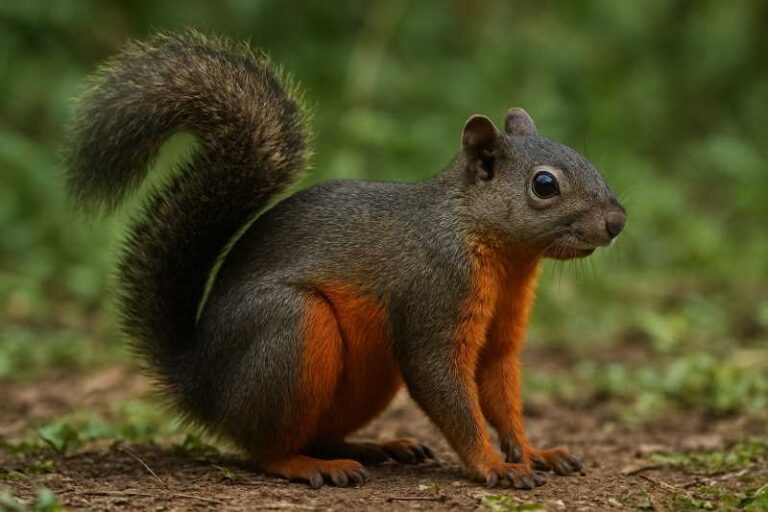
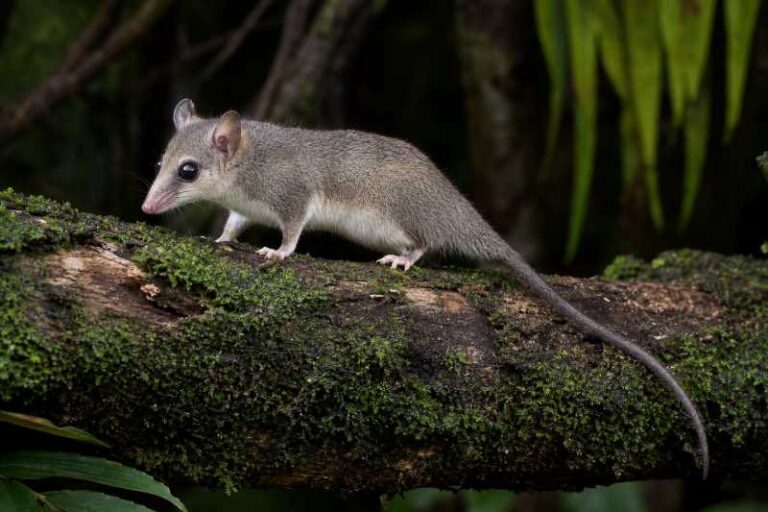
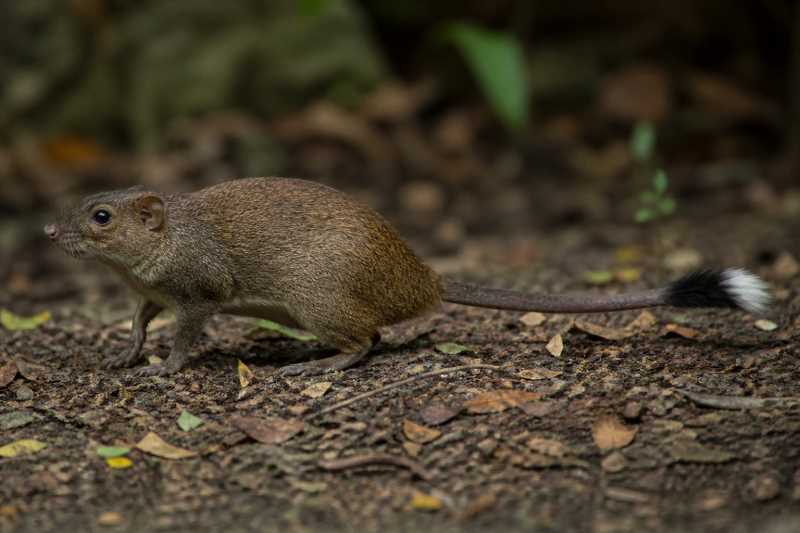
The Orinoco Brush-tailed Rat is a medium-sized rodent, typically measuring between 20 to 30 centimeters in body length, with a tail that can add another 15 to 20 centimeters. This species is named for its characteristic brush-like tail, which is bushy and covered in long, coarse hair. The coloration of the Orinoco Brush-tailed Rat ranges from grayish-brown to reddish-brown on the dorsal side, with a paler, often white or cream-colored, underside. Its fur is dense and soft, providing excellent insulation in its humid habitat.
The rat’s head is relatively large, with a blunt snout and large, rounded ears. Its eyes are prominent, suggesting a reliance on vision, although it is likely nocturnal. The limbs are short but strong, with sharp claws that aid in climbing and foraging. The overall appearance of the Orinoco Brush-tailed Rat is robust and compact, adapted to a life spent navigating the dense underbrush and trees of its forest home.
Range and Habitat
The Orinoco Brush-tailed Rat is endemic to the Orinoco River basin, primarily found in Venezuela and parts of Colombia. Its exact range is not well documented, largely due to its elusive nature and the challenging terrains of its habitat. This species is typically associated with tropical and subtropical moist broadleaf forests, particularly in the lowland regions.
These forests provide a complex ecosystem where the Orinoco Brush-tailed Rat can thrive. The thick vegetation offers ample cover from predators and abundant food resources. This species is arboreal, meaning it spends much of its time in the trees, using its climbing abilities to navigate the forest canopy. Its habitat preference for dense forests highlights the rat’s role in maintaining the ecological balance of these rich biodiversity hotspots.
Behavior and Diet
The Orinoco Brush-tailed Rat is primarily nocturnal, emerging at night to forage for food. Its diet is omnivorous, consisting of a variety of plant material, seeds, fruits, and small insects. This dietary flexibility allows the rat to adapt to the seasonal availability of food in its environment.
Behaviorally, the Orinoco Brush-tailed Rat is solitary, with individuals maintaining defined territories. Little is known about their reproductive habits, but it is assumed that, like many rodents, they have a relatively short gestation period and produce multiple litters per year. Communication among these rats likely involves a combination of vocalizations, scent marking, and body language, although specific details remain largely unstudied.
Identification Tips
Identifying the Orinoco Brush-tailed Rat in the field can be challenging due to its elusive nature and the dense habitats it occupies. However, there are several key characteristics to look for:
- Tail: Look for the distinctive brush-like tail, which is bushy and longer than the body.
- Fur Color: Note the grayish-brown to reddish-brown coloration with a paler underside.
- Size: Medium-sized rodent, body length about 20-30 cm, with a tail length of 15-20 cm.
- Habitat: Found in dense forested areas, often arboreal.
- Behavior: Primarily nocturnal and solitary, often heard rather than seen.
Conservation Status
The Orinoco Brush-tailed Rat is currently not well-studied, and its conservation status is not clearly defined by the International Union for Conservation of Nature (IUCN). However, like many rainforest species, it is likely threatened by habitat loss due to deforestation, agricultural expansion, and human encroachment.
Conservation efforts for the Orinoco Brush-tailed Rat are limited by a lack of specific data on its population and distribution. To protect this species, it is crucial to preserve its natural habitat and promote sustainable land-use practices in the Orinoco River basin. Increased research and monitoring are needed to better understand its ecological role and to implement effective conservation strategies.
Frequently Asked Questions
What does the Orinoco Brush-tailed Rat eat?
The Orinoco Brush-tailed Rat is omnivorous, feeding on a variety of plant materials, seeds, fruits, and small insects. Its diet is adaptable based on the seasonal availability of food.
Where can the Orinoco Brush-tailed Rat be found?
This species is endemic to the Orinoco River basin, primarily in Venezuela and parts of Colombia, inhabiting tropical and subtropical moist broadleaf forests.
Is the Orinoco Brush-tailed Rat endangered?
The conservation status of the Orinoco Brush-tailed Rat is not well-defined due to limited research, but it faces threats from habitat loss and human encroachment.
How can I identify an Orinoco Brush-tailed Rat?
Look for a medium-sized rodent with a distinctive brush-like tail, grayish-brown to reddish-brown fur, and a habitat preference for dense, forested areas.
Why is the Orinoco Brush-tailed Rat important?
As part of the ecosystem, this rat contributes to seed dispersal and provides prey for predators, playing a role in maintaining the ecological balance of its habitat.
Related posts