Introduction
The Uco Tuco-tuco (Ctenomys uco) is a fascinating rodent species that captures the attention of scientists and nature enthusiasts alike. Named after the Uco Valley in Argentina, where it was first discovered, this species belongs to the genus Ctenomys, which includes several burrowing rodents commonly referred to as tuco-tucos. These creatures are known for their complex social behaviors and adaptations to subterranean life. In this article, we will delve into the myriad aspects of the Uco Tuco-tuco, from its physical characteristics and habitat preferences to its behavior and conservation status. Join us as we explore the unique features that define this remarkable mammal.
Physical Description
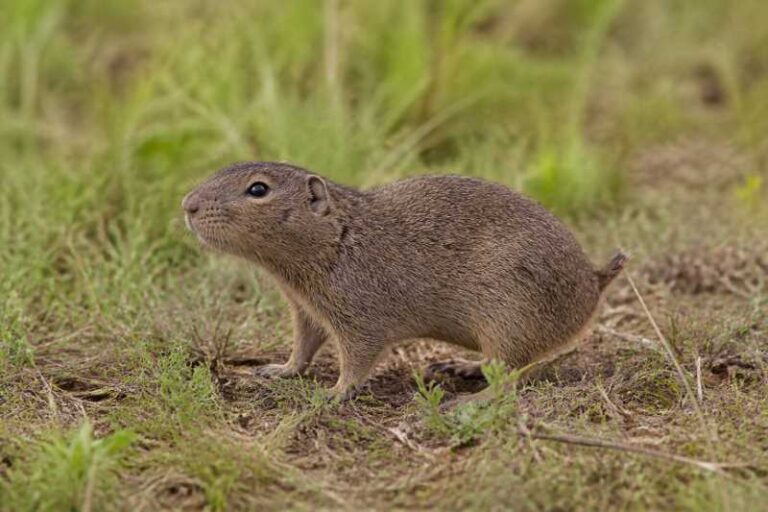
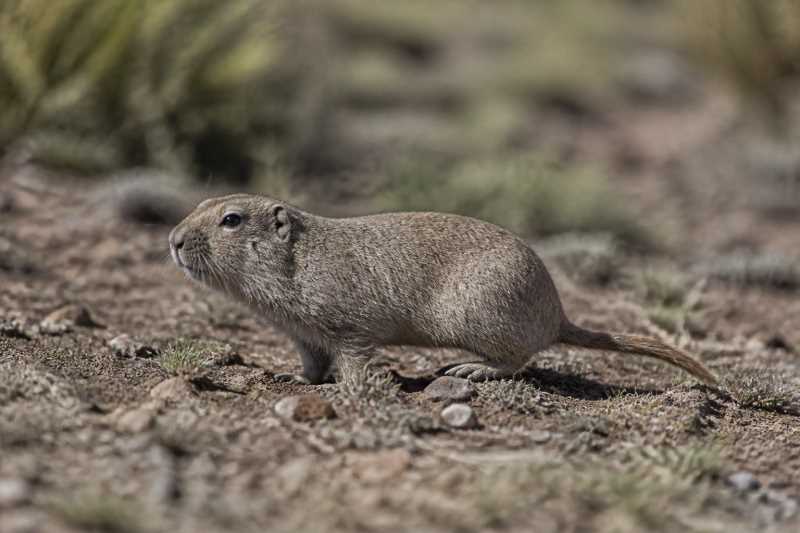
The Uco Tuco-tuco is a medium-sized rodent characterized by its robust body and short limbs, perfectly adapted for life underground. Typically, these animals weigh between 200 and 300 grams and measure approximately 20 to 25 centimeters in length, including their tail.
Their fur is dense and soft, usually exhibiting shades of brown or gray that provide excellent camouflage against the earthy tones of their burrowing environment. The Uco Tuco-tuco’s eyes are relatively small, reflecting its adaptation to low-light conditions underground. Its ears are also small and rounded, reducing the risk of injury as the Tuco-tuco navigates through tight tunnels.
One of the most distinctive features of the Uco Tuco-tuco is its large, chisel-like incisors. These teeth are not only essential for gnawing through roots and tubers but also play a critical role in digging. Their powerful forelimbs, equipped with long claws, further enhance their ability to excavate extensive burrow systems.
Range and Habitat
The Uco Tuco-tuco is endemic to Argentina, primarily inhabiting the Uco Valley region. This area is characterized by a diverse array of ecosystems, ranging from arid scrublands to fertile valleys. The species is particularly prevalent in regions with loose, sandy soils, which facilitate easier digging and burrow construction.
These rodents are highly specialized for a subterranean lifestyle, spending most of their lives within the safety of their underground tunnels. Their burrows serve multiple functions, providing shelter from predators, a stable microenvironment, and a place to store food reserves.
Behavior and Diet
The Uco Tuco-tuco exhibits a range of fascinating behaviors that make it a subject of interest for ethologists. These rodents are primarily solitary creatures, with each individual maintaining an extensive network of tunnels. Communication between individuals is achieved through a variety of vocalizations, including the characteristic "tuc-tuc" sound that gives the species its name.
Tuco-tucos are herbivorous, feeding mainly on roots, bulbs, and tubers. Their diet is supplemented with grasses and other vegetation that they encounter while foraging. Interestingly, these rodents are known to cultivate small gardens near the entrances of their burrows, where they store collected plant material.
Identification Tips (Field Recognition Cues)
Identifying the Uco Tuco-tuco in the field can be challenging due to its elusive nature and subterranean lifestyle. However, certain cues can aid in recognition:
- Burrow Entrances: Look for characteristic burrow entrances, which are usually marked by fresh soil mounds.
- Vocalizations: Listen for the distinctive "tuc-tuc" calls that are often heard when individuals communicate.
- Fur Coloration: Note the brown or gray fur, which blends with the terrain, but may be visible during brief surface forays.
Conservation Status (With Threats and Protections)
The conservation status of the Uco Tuco-tuco is currently classified as "Data Deficient" by the International Union for Conservation of Nature (IUCN). This designation highlights the need for further research to accurately assess the population size and potential threats facing this species.
Primary threats to the Uco Tuco-tuco include habitat loss due to agricultural expansion and land development in the Uco Valley. Additionally, changes in land use patterns can lead to soil compaction, which poses a significant challenge for burrowing species.
Efforts to protect the Uco Tuco-tuco focus on preserving its natural habitat and promoting sustainable land management practices. Conservationists advocate for the establishment of protected areas and the implementation of monitoring programs to track population trends.
Frequently Asked Questions
Why is this species unique?
The Uco Tuco-tuco is unique due to its highly specialized subterranean lifestyle and adaptations. Its ability to communicate through vocalizations and maintain extensive burrow systems sets it apart from many other rodent species.
How does the Uco Tuco-tuco contribute to its ecosystem?
As a burrowing rodent, the Uco Tuco-tuco plays a crucial role in soil aeration and nutrient cycling. Its foraging activities help in seed dispersal, contributing to plant diversity in its habitat.
What research is needed for the Uco Tuco-tuco?
Further research is needed to understand the population dynamics, habitat requirements, and potential threats to the Uco Tuco-tuco. Studies on its ecological role and interactions with other species are also important.
Are there any cultural significances of the Uco Tuco-tuco?
In some local cultures, the Uco Tuco-tuco is considered a symbol of perseverance and adaptability, reflecting its ability to thrive in challenging environments.
Related posts