Introduction
Fox’s Shaggy Rat, scientifically known as Dasymys foxi, is a distinct species of rodent that inhabits various parts of Africa. This rodent is a fascinating subject of study due to its unique adaptations and ecological significance. Despite being lesser-known compared to other mammals, Fox’s Shaggy Rat plays a critical role in its ecosystem as both prey and seed disperser. This article delves into the intricacies of Dasymys foxi, exploring its physical characteristics, habitat, behavior, and the conservation challenges it faces.
Physical Description
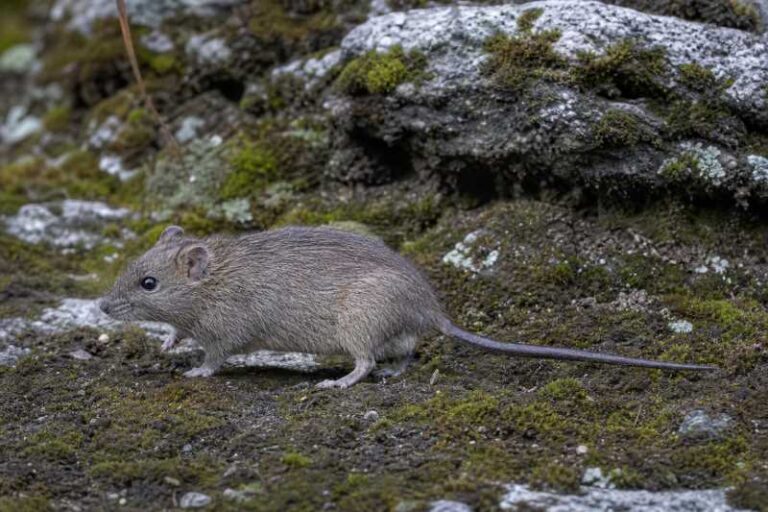
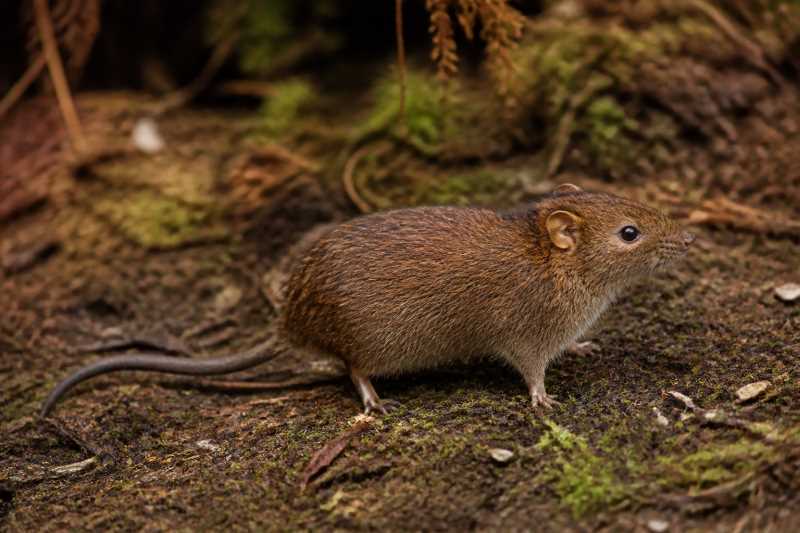
Fox’s Shaggy Rat is characterized by its dense, shaggy fur, which is typically gray to brown in color, providing excellent camouflage against the forest floor and underbrush. This medium-sized rodent has a robust body and a relatively long tail, which is less hairy compared to its body, aiding in balance and mobility. Adult rats typically measure between 12 to 20 centimeters in body length, with tails adding an additional 10 to 15 centimeters. Their weight ranges from 80 to 150 grams, depending on age and environmental conditions.
The rat’s whiskers are highly sensitive, serving as important sensory tools for navigating their environment. Their large, dark eyes are adapted for low-light conditions, enabling them to be primarily nocturnal. The dental structure of Dasymys foxi is typical of rodents, with sharp incisors that continuously grow and are used for gnawing.
Range and Habitat
Dasymys foxi is primarily found in sub-Saharan Africa. Its range includes countries such as Nigeria, Cameroon, and parts of the Central African Republic. This species thrives in wetland habitats, such as swamps and marshes, where dense vegetation provides ample cover from predators. They are also found in grasslands and along riverbanks, where water sources are readily available.
These habitats are crucial for their survival, offering both food resources and protection. The presence of water is particularly important, as it supports the lush vegetation that forms the basis of their habitat. Seasonal changes can affect their distribution, with some populations migrating short distances in response to flooding or drought conditions.
Behavior and Diet
Fox’s Shaggy Rat is primarily nocturnal, emerging at night to forage for food. Their diet is omnivorous, consisting of seeds, fruits, leaves, and small invertebrates. They are known to be opportunistic feeders, adapting their diet based on the availability of resources. This flexibility in diet helps them survive in varying environmental conditions.
Socially, Dasymys foxi is relatively solitary, with individuals maintaining territories that they defend from intruders. However, during the breeding season, which typically occurs in the wetter months, they may be found in closer proximity to one another. Reproduction involves the birth of several litters per year, with each litter containing up to six young.
Fox’s Shaggy Rat plays a vital ecological role as both a seed disperser and a prey species. By consuming fruits and excreting seeds, they contribute to plant regeneration and diversity. Additionally, they serve as a food source for a variety of predators, including birds of prey and small carnivorous mammals.
Identification Tips (Field Recognition Cues)
When attempting to identify Fox’s Shaggy Rat in the wild, look for the following characteristics:
- Fur Texture and Color: The shaggy, gray-brown fur is a distinguishing feature. The hair is longer and denser compared to other rodents found in the same habitat.
- Tail Length: Observe the relatively long, less hairy tail, which is about 80% of the body length.
- Size: Note the medium size of the rat, with adults measuring 12 to 20 centimeters in body length.
- Whiskers and Eyes: Large whiskers and prominent eyes are key features that aid their nocturnal lifestyle.
- Behavior: If observed at night in wetland areas, it is likely Dasymys foxi due to their nocturnal and habitat preferences.
Conservation Status (with Threats and Protections)
Currently, Fox’s Shaggy Rat is not listed as endangered, but it faces numerous threats that could impact its population stability. Habitat destruction is the primary threat, as wetlands are often drained for agriculture or development. Pollution and climate change also pose significant risks, potentially altering the delicate balance of their ecosystem.
Conservation efforts focus on habitat preservation and restoration. Protected areas have been established in some regions to safeguard critical habitats. Additionally, there are ongoing studies to better understand the species’ ecology and inform conservation strategies.
Community engagement and education are also essential, as local populations can play a key role in conservation efforts by adopting sustainable practices and supporting protected area initiatives.
Frequently Asked Questions
1. What does Fox’s Shaggy Rat eat? Fox’s Shaggy Rat is omnivorous, feeding on seeds, fruits, leaves, and small invertebrates. Their diet varies based on resource availability.
2. Where can Fox’s Shaggy Rat be found? This species inhabits wetland areas in sub-Saharan Africa, particularly in countries like Nigeria and Cameroon, favoring swamps, marshes, and riverbanks.
3. How does Fox’s Shaggy Rat contribute to the ecosystem? Dasymys foxi aids in seed dispersal through their diet and serves as prey for various predators, playing a crucial role in maintaining ecological balance.
4. What are the threats to Fox’s Shaggy Rat? The primary threats include habitat destruction due to agriculture, pollution, and the impacts of climate change, which can alter their wetland habitats.
5. How can we help conserve Fox’s Shaggy Rat? Supporting habitat preservation efforts, engaging in sustainable practices, and promoting awareness through education can aid in the conservation of this species.
Related posts