Father Basilio’s Striped Mouse (Hybomys basilii): A Comprehensive Guide
Introduction
Father Basilio’s Striped Mouse, scientifically known as Hybomys basilii, is a unique rodent species that has captured the interest of biologists and conservationists alike. Found in specific regions of Central Africa, this small mammal is noted for its distinctive striped appearance and elusive nature. This comprehensive guide delves into various facets of Father Basilio’s Striped Mouse, including its physical description, habitat, behavior, and conservation status.
Physical Description
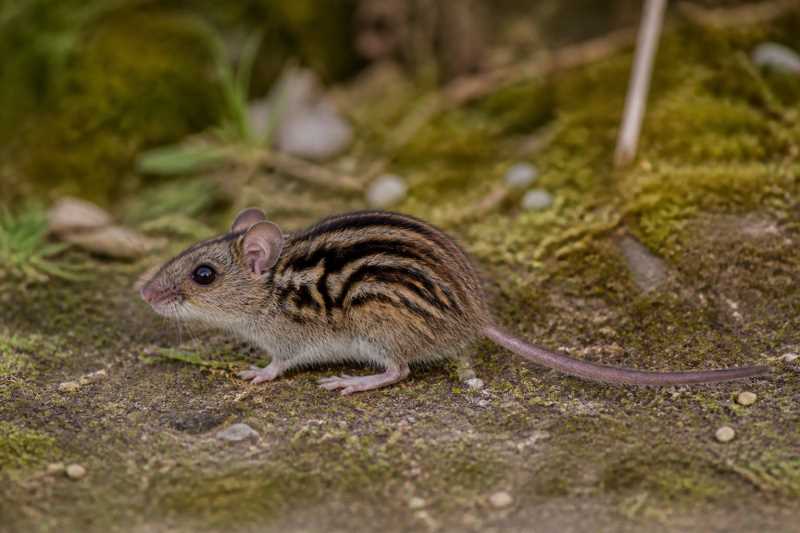
Father Basilio’s Striped Mouse is a small rodent with a body length ranging from 10 to 15 cm, excluding its tail, which can add another 8 to 12 cm. True to its name, this species features striking longitudinal stripes running along its back, typically dark brown against a lighter brown or grayish background. These stripes provide essential camouflage against predators in its natural habitat.
The mouse’s fur is soft and dense, with a paler underbelly, and its eyes are large and dark, adapted to its crepuscular lifestyle. The ears are relatively small and rounded, while its whiskers are long and sensitive, aiding in navigation and environmental awareness.
Range and Habitat
Hybomys basilii is predominantly found in the Central African regions, with a range extending across countries like the Democratic Republic of the Congo and parts of Uganda. Its preferred habitats include dense tropical rainforests and moist savanna regions, where it can find adequate cover and food resources.
This species thrives in environments where there is a dense undergrowth of shrubs and leaf litter, which provides both food resources and protection from predators. However, its habitat is under threat due to deforestation and human encroachment, which is a significant concern for its long-term survival.
Behavior and Diet
Father Basilio’s Striped Mouse is primarily nocturnal, with peak activities occurring during dusk and dawn. This behavior helps it avoid many diurnal predators. The species is known for its solitary nature, although it may occasionally be seen in pairs during breeding seasons.
Dietarily, Hybomys basilii is omnivorous. Its diet consists of seeds, fruits, insects, and small invertebrates. This varied diet allows it to adapt to seasonal changes in food availability. Foraging mainly occurs on the forest floor, where its keen sense of smell aids in locating food.
Identification Tips (Field Recognition Cues)
Identifying Father Basilio’s Striped Mouse in the field can be challenging due to its elusive nature and dense habitats. However, there are several key identification tips:
- Stripes: Look for the characteristic dark stripes along the back.
- Size: Note the small size and proportionate tail.
- Behavior: Observe activity patterns at dawn or dusk.
- Habitat: Typically found in dense forest or savanna undergrowth.
Conservation Status (with Threats and Protections)
The conservation status of Father Basilio’s Striped Mouse is currently assessed as Near Threatened due to habitat loss and fragmentation. The primary threats include deforestation for agriculture, logging, and human settlement expansion.
Efforts to protect this species involve habitat conservation initiatives and environmental awareness programs. Organizations are working to establish protected areas and promote sustainable land-use practices to mitigate the impact of human activities.
Frequently Asked Questions
1. What is the habitat of Father Basilio’s Striped Mouse?
Father Basilio’s Striped Mouse inhabits tropical rainforests and moist savannas in Central Africa, preferring areas with dense undergrowth.
2. How does Father Basilio’s Striped Mouse find food?
This species uses its keen sense of smell to forage for seeds, fruits, insects, and small invertebrates, primarily on the forest floor.
3. Why is Father Basilio’s Striped Mouse considered Near Threatened?
The species is Near Threatened due to habitat loss from deforestation and human encroachment, leading to population declines.
Related posts