Rwenzori Shaggy Rat (Dasymys montanus): A Comprehensive Guide
Introduction
The Rwenzori Shaggy Rat, scientifically known as Dasymys montanus, is a remarkable species of rodent that inhabits the rich ecosystems of Central Africa. Renowned for its distinctive shaggy fur and elusive nature, this mammal plays a crucial role in its habitat. Despite its importance, the Rwenzori Shaggy Rat remains relatively unknown outside scientific circles. This article aims to shed light on this fascinating species, exploring its physical characteristics, habitat, behavior, and the conservation challenges it faces.
Physical Description
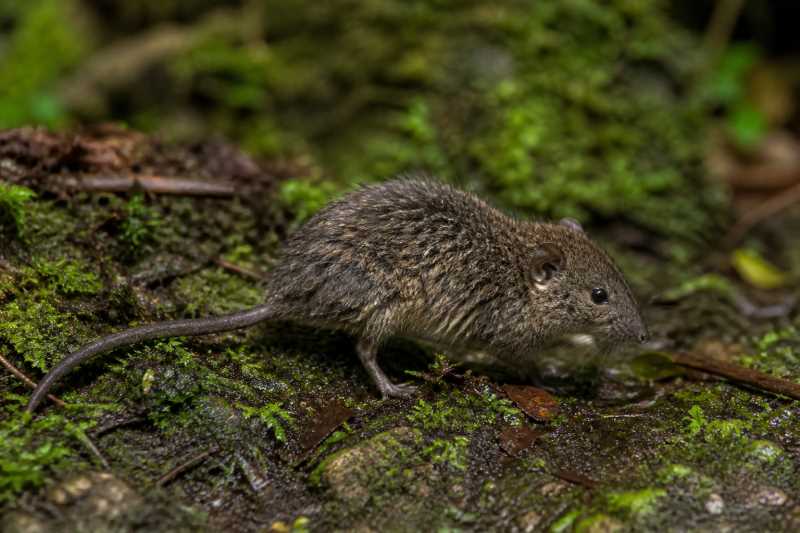
The Rwenzori Shaggy Rat is a medium-sized rodent characterized by its long, dense fur, which is typically grayish-brown. The shaggy appearance of this fur is what gives the species its common name. Measuring approximately 15 to 20 centimeters in body length, with a tail that adds an additional 12 to 18 centimeters, the Rwenzori Shaggy Rat is well adapted to its environment. Its large, rounded ears and prominent whiskers enhance its sensory perception, while its strong hind legs facilitate agility and speed.
Range and Habitat
Dasymys montanus is predominantly found in the mountainous regions of the Rwenzori Mountains, spanning Uganda and the Democratic Republic of the Congo. This species thrives in high-altitude environments, favoring marshes, wetlands, and dense grasslands. The Rwenzori Shaggy Rat’s ability to adapt to varying altitudinal zones allows it to occupy a unique ecological niche, where it contributes to the ecosystem’s health by participating in seed dispersal and serving as prey for larger predators.
Behavior and Diet
The Rwenzori Shaggy Rat is primarily nocturnal, utilizing the cover of darkness to forage for food. Its diet primarily consists of grasses, seeds, and small invertebrates, which it carefully selects to meet its nutritional requirements. Known for its solitary behavior, this rodent spends much of its time within burrows or dense vegetation, emerging at night to feed. Its acute sense of hearing and sharp eyesight make it adept at avoiding predators.
Identification Tips (Field Recognition Cues)
Identifying the Rwenzori Shaggy Rat in the wild can be challenging due to its elusive nature and the dense habitats it occupies. However, observers should look for the following key characteristics:
- Shaggy, grayish-brown fur that distinguishes it from other rodents in the region.
- A robust body size, with a total length (including tail) of approximately 30 to 38 centimeters.
- Prominent ears and whiskers, which are indicative of the species’ sensory capabilities.
- Active primarily during nighttime, often spotted in marshy or grassy areas.
Conservation Status (with Threats and Protections)
Currently, the Rwenzori Shaggy Rat is listed as a species of Least Concern by the International Union for Conservation of Nature (IUCN). However, it faces several threats that could impact its population stability in the future. Habitat destruction due to agricultural expansion, deforestation, and climate change poses significant risks to its natural environments. Additionally, predation by domestic animals and human encroachment further threaten its survival.
Efforts to conserve the Rwenzori Shaggy Rat focus on habitat protection and ecological research. Conservationists advocate for the preservation of wetlands and grasslands within the Rwenzori Mountains, emphasizing the importance of maintaining biodiversity. Collaborative programs with local communities aim to reduce habitat destruction and promote sustainable land-use practices.
Frequently Asked Questions
What is the habitat of the Rwenzori Shaggy Rat?
The Rwenzori Shaggy Rat inhabits high-altitude marshes, wetlands, and dense grasslands in the Rwenzori Mountains, spanning Uganda and the Democratic Republic of the Congo.
Is the Rwenzori Shaggy Rat endangered?
Currently, the Rwenzori Shaggy Rat is classified as a species of Least Concern by the IUCN, but it faces threats from habitat destruction and climate change.
How can I identify a Rwenzori Shaggy Rat in the wild?
Look for a medium-sized rodent with shaggy, grayish-brown fur, prominent ears, and whiskers. It is primarily nocturnal and found in marshy or grassy areas.
What does the Rwenzori Shaggy Rat eat?
Its diet includes grasses, seeds, and small invertebrates, which it forages for at night.
Are there conservation efforts in place for the Rwenzori Shaggy Rat?
Yes, efforts include habitat protection, ecological research, and collaboration with local communities to promote sustainable land-use practices.
Related posts