Introduction
The Hidden Spiny Tree-rat (Mesomys occultus) is a fascinating species of rodent that inhabits the lush forests of South America. Known for its elusive nature, this small mammal has piqued the interest of biologists and wildlife enthusiasts alike. Despite its interesting characteristics and ecological importance, the Hidden Spiny Tree-rat remains under-researched, making it a subject of intrigue and a priority for conservation efforts.
Physical Description
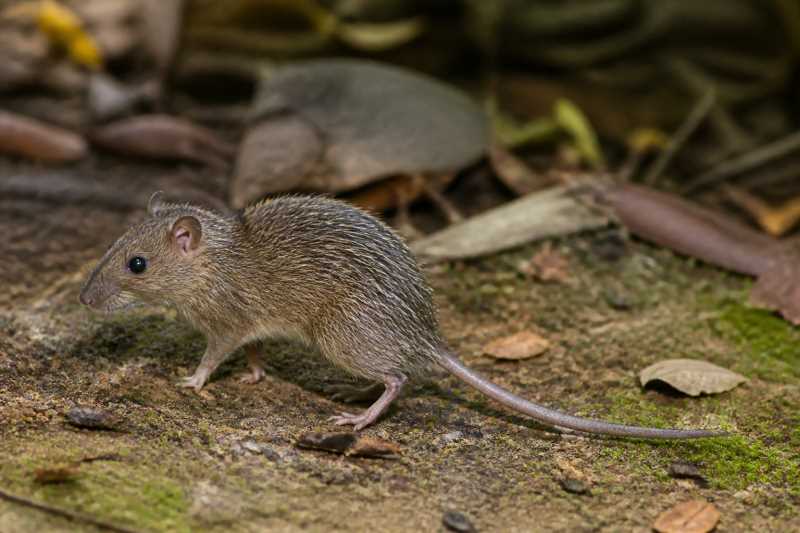
The Hidden Spiny Tree-rat is a medium-sized rodent characterized by its distinctive spiny fur, which serves as a defense mechanism against predators. The spines are intermixed with softer fur, giving it a unique texture that is both protective and adaptable to its arboreal lifestyle. Typically, the fur is a mix of brown and gray, allowing for effective camouflage among the trees. Adults weigh between 200 to 300 grams and measure approximately 20 to 25 centimeters in body length, with a tail that is almost equal in length to their body, aiding in balance and mobility in their treetop environment.
Range and Habitat
This species is primarily found in the tropical rainforests of the Amazon Basin, particularly in Brazil, Peru, and Bolivia. Their habitat is characterized by dense, humid forests with a rich canopy that provides ample food resources and protection from predators. The Hidden Spiny Tree-rat is an arboreal species, spending most of its life in the trees, which makes deforestation and habitat destruction significant threats to its survival.
Behavior and Diet
The Hidden Spiny Tree-rat is nocturnal, with most of its activities occurring at night. This behavior reduces the risk of predation and competition for food. Their diet mainly consists of fruits, seeds, and insects, which they forage for in the treetops. They play a crucial role in seed dispersal, contributing to forest regeneration. Socially, they are relatively solitary but may occasionally be seen in small family groups.
Identification Tips (Field Recognition Cues)
Identifying the Hidden Spiny Tree-rat in the wild can be challenging due to its elusive nature and excellent camouflage. However, some key identification tips include:
- Look for the distinctive spiny fur that is unique among tree-dwelling rodents.
- Observe their behavior at dusk or dawn when they are most active.
- Listen for the rustling of leaves in the canopy, which may indicate their presence as they move.
- Note their size and tail length, which are distinctive compared to other arboreal rodents.
Conservation Status (With Threats and Protections)
Currently, the Hidden Spiny Tree-rat is classified as Data Deficient by the IUCN Red List, primarily due to a lack of comprehensive studies on its population trends and distribution. The primary threats to their survival include habitat destruction from logging and agriculture, as well as climate change, which affects the delicate balance of their rainforest ecosystem. Conservation efforts are focused on habitat preservation and further research to better understand their ecological needs.
Frequently Asked Questions
What is the diet of the Hidden Spiny Tree-rat?
The Hidden Spiny Tree-rat primarily feeds on fruits, seeds, and insects found in the tree canopy, playing a vital role in seed dispersal.
Where can the Hidden Spiny Tree-rat be found?
This species is native to the Amazon Basin, particularly in the rainforests of Brazil, Peru, and Bolivia, where it lives an arboreal lifestyle.
How does the Hidden Spiny Tree-rat protect itself from predators?
The Hidden Spiny Tree-rat has evolved spiny fur that acts as a defense mechanism, deterring predators and providing camouflage in its forest environment.
Why is the Hidden Spiny Tree-rat considered elusive?
Due to its nocturnal nature and excellent camouflage, coupled with its preference for dense forest canopies, the Hidden Spiny Tree-rat is rarely seen by humans.
What are the main threats to the Hidden Spiny Tree-rat?
The primary threats include habitat destruction from deforestation and climate change, which impact the availability of their natural habitats.
Related posts