Introduction
The Antioquian sac-winged bat, scientifically known as Saccopteryx antioquensis, is a fascinating member of the Emballonuridae family, which encompasses a variety of sac-winged bats. This species, discovered relatively recently, adds to the rich diversity of Chiropteran wildlife in South America. As an insectivorous bat, it plays a crucial role in maintaining ecological balance by controlling insect populations. Understanding the Antioquian sac-winged bat’s unique characteristics and behaviors is essential for its conservation and for appreciating the biodiversity of the regions it inhabits.
Physical Description
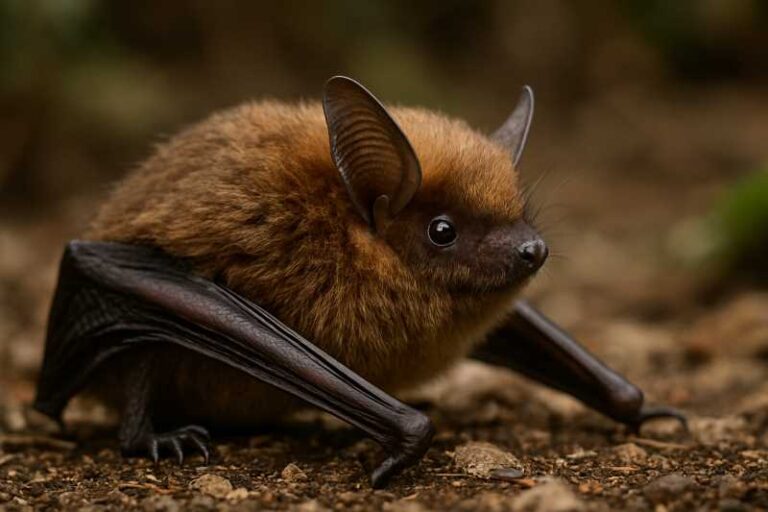
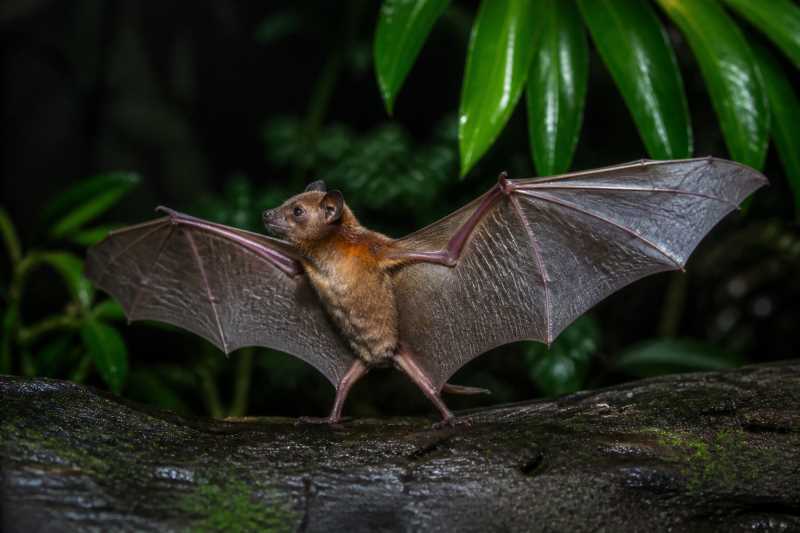
The Antioquian sac-winged bat is a small-sized bat, distinguished by its slender body and uniquely structured wings. It typically weighs between 5 to 10 grams, with a wingspan ranging from 25 to 30 centimeters. The fur of this bat is generally a dark brown, with lighter shades on the ventral side, which provides a subtle camouflage against the bark of trees where it often roosts.
One of the most distinctive features of the Antioquian sac-winged bat is the presence of a sac-like structure on its wings, which is a characteristic feature of the Emballonuridae family. These sacs, found near the elbow of the bat’s wings, are thought to play a role in social communication, possibly emitting pheromones that are important during mating season.
Range and Habitat
The Antioquian sac-winged bat is endemic to Colombia, specifically within the Antioquia region from which it derives its name. Its habitat predominantly includes tropical and subtropical forests, where it finds abundant food resources and suitable roosting sites. This bat species is typically found at elevations ranging from 500 to 1500 meters above sea level, where the climate and ecological conditions are favorable.
These bats prefer forested areas with dense canopy cover, which provides protection from predators and harsh weather conditions. The presence of water bodies, such as rivers and streams, within these forests is also crucial as they support a diverse insect population, ensuring a steady food supply.
Behavior and Diet
The Antioquian sac-winged bat is primarily nocturnal, emerging from its roosts at dusk to forage for food. Its diet consists mainly of insects, with a preference for moths, beetles, and other small arthropods. Utilizing echolocation, these bats are highly adept at navigating and hunting in complete darkness. They emit high-frequency sound waves that bounce off objects, allowing them to detect prey with remarkable precision.
Socially, these bats are known to form small colonies, often roosting in groups within tree hollows or under large leaves. Their social structure is typically harem-based, with one dominant male overseeing a group of females. This social organization aids in protection against predators and facilitates mating opportunities.
Identification Tips (Field Recognition Cues)
Identifying the Antioquian sac-winged bat in the field can be challenging due to its nocturnal nature and small size. However, there are several key features to look for:
- Wing Sacs: The presence of wing sacs near the elbows is a definitive characteristic.
- Fur Coloration: Look for dark brown fur with lighter underparts.
- Flight Pattern: These bats exhibit a fluttery and erratic flight pattern, typical of insectivorous bats.
- Echolocation Calls: They produce distinct high-frequency calls that can be detected using a bat detector, providing clues to their presence.
Conservation Status (With Threats and Protections)
Currently, the Antioquian sac-winged bat is classified as "Data Deficient" by the International Union for Conservation of Nature (IUCN) due to the limited information available about its population size and trends. However, several threats are known to affect its habitat and survival, including deforestation, habitat fragmentation, and agricultural expansion.
Conservation efforts are vital to protect this species and its habitat. Initiatives focus on preserving forested areas, promoting sustainable land-use practices, and conducting further research to better understand the species’ ecology and population dynamics. Encouraging local communities to participate in conservation activities is also crucial for the long-term survival of the Antioquian sac-winged bat.
Frequently Asked Questions
1. What is the primary diet of the Antioquian sac-winged bat?
The Antioquian sac-winged bat primarily feeds on insects, including moths and beetles, using echolocation to hunt them effectively at night.
2. Where can the Antioquian sac-winged bat be found?
This bat species is endemic to the Antioquia region in Colombia, inhabiting tropical and subtropical forests at elevations between 500 and 1500 meters.
3. What unique feature helps identify the Antioquian sac-winged bat?
The presence of wing sacs near the elbows is a distinctive feature of this species, aiding in its identification.
4. Are there any conservation measures in place for the Antioquian sac-winged bat?
Yes, conservation efforts focus on habitat preservation and sustainable land-use practices, although more research is needed to fully understand its ecological needs.
5. How does the Antioquian sac-winged bat contribute to the ecosystem?
As an insectivorous bat, it plays a crucial role in controlling insect populations, thus maintaining ecological balance in its habitat.
Related posts