Common Wombat (Vombatus ursinus): A Comprehensive Guide
Introduction
The Common Wombat, scientifically known as Vombatus ursinus, is a fascinating marsupial native to Australia. Recognized for its robust build and distinctive burrowing lifestyle, the Common Wombat plays a vital role in its ecosystem. Despite being solitary and nocturnal, this species has captured the interest of wildlife enthusiasts and researchers alike. This article delves into various aspects of the Common Wombat, including its physical characteristics, habitat, behavior, and conservation efforts.
Physical Description
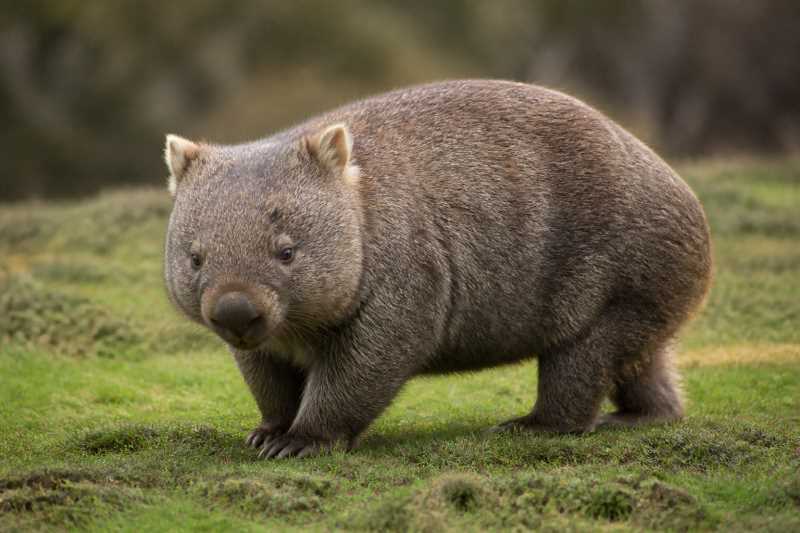
The Common Wombat is a medium-sized marsupial, typically measuring between 80 to 130 centimeters in length, with a tail that adds an additional 5 centimeters. Adult wombats weigh between 20 to 35 kilograms. They possess a stocky and muscular build, with short limbs that are well-adapted for digging.
Their fur is coarse and varies in color from sandy brown to grey and black, providing excellent camouflage among the forest floor and rocky terrains of their habitat. The Common Wombat’s head is large and broad, featuring small eyes and ears. Their most distinctive feature, however, is their powerful claws and flattened, shovel-like forepaws, which they use to excavate extensive burrow systems.
Range and Habitat
The Common Wombat is predominantly found in southeastern Australia, including Tasmania. They inhabit a range of environments, from coastal regions to alpine areas, preferring forested, mountainous, and heathland ecosystems. Their distribution is largely dictated by the availability of suitable soil for burrowing and sufficient vegetation for food.
Wombats construct elaborate burrows that can extend up to 30 meters in length and several meters deep. These burrows provide shelter from predators and harsh weather, maintaining a stable temperature and humidity.
Behavior and Diet
Common Wombats are solitary animals, primarily nocturnal, although they may be active during the day in cooler weather. They are territorial, with home ranges that can vary from 5 to 25 hectares, depending on the availability of resources.
Their diet consists mainly of grasses, roots, and bark. Wombats have adapted to a low-nutrient diet with a slow metabolism, allowing them to survive on relatively small amounts of food. They have a unique dental structure where their incisors continue to grow throughout their lives, accommodating their fibrous diet.
Wombats are known for their ability to produce cube-shaped feces, which prevents the droppings from rolling away and helps them mark their territory effectively.
Identification Tips (field recognition cues)
Identifying the Common Wombat in the wild requires attention to several key features:
- Size and Build: Look for a robust, squat body that moves with a waddling gait.
- Fur Color: Varies from sandy brown to grey and black, blending well with their surroundings.
- Burrows: Large and complex burrows with characteristic entrances, often found in forested and grassy areas.
- Droppings: Cube-shaped feces, commonly found near burrow entrances or along well-trodden paths.
- Tracks: Look for distinctive paw prints with five digits, four of which are aligned in a row, indicative of their digging prowess.
Conservation Status (with threats and protections)
The Common Wombat is currently classified as Least Concern by the IUCN Red List. However, they face several threats that could impact their populations.
- Habitat Loss: Urban expansion, agriculture, and deforestation continue to reduce suitable habitats for wombats.
- Disease: Sarcoptic mange, a skin disease caused by mites, poses a significant threat to wombat populations.
- Vehicle Collisions: Wombats often fall victim to road accidents, particularly in regions where their habitats intersect with roads.
Conservation efforts focus on habitat protection, disease management, and public awareness campaigns to reduce road fatalities. Protected areas and national parks in Australia play a crucial role in preserving wombat habitats.
Frequently Asked Questions
What do Common Wombats eat?
Common Wombats primarily feed on grasses, roots, and bark. Their slow metabolism allows them to extract sufficient nutrients from this low-energy diet.
How do wombats defend themselves?
Wombats use their strong burrows for protection. They can also block burrow entrances with their toughened rear ends to fend off predators.
Why are wombat droppings cube-shaped?
Wombat feces are cube-shaped to prevent them from rolling away, which helps the animals mark their territories effectively.
Are Common Wombats endangered?
Currently, the Common Wombat is not endangered and is classified as Least Concern. However, they face threats from habitat loss, disease, and road accidents.
How can I help in the conservation of Common Wombats?
Supporting conservation organizations, promoting habitat protection, and driving cautiously in wombat-inhabited areas can contribute to their conservation.
Related posts