Introduction
The Davao squirrel, scientifically classified as Sundasciurus davensis, is a lesser-known species of rodent endemic to the Philippines. This species is part of the Sciuridae family, which includes other small to medium-sized rodents commonly referred to as squirrels. The Davao squirrel is a fascinating creature that plays a vital role in its ecosystem. This article delves into the physical characteristics, natural habitat, behavior, conservation status, and ways to identify this unique species.
Physical Description
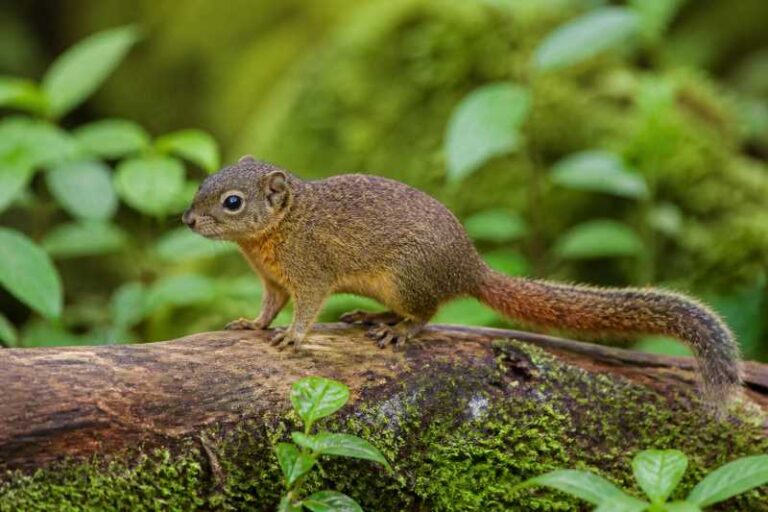
The Davao squirrel is a small-sized squirrel with distinctive physical features that make it relatively easy to identify. Typically, it measures around 20 to 25 centimeters in body length, with an additional 15 to 20 centimeters for its bushy tail. This tail is not just for balance but also serves as a tool for communication and thermoregulation.
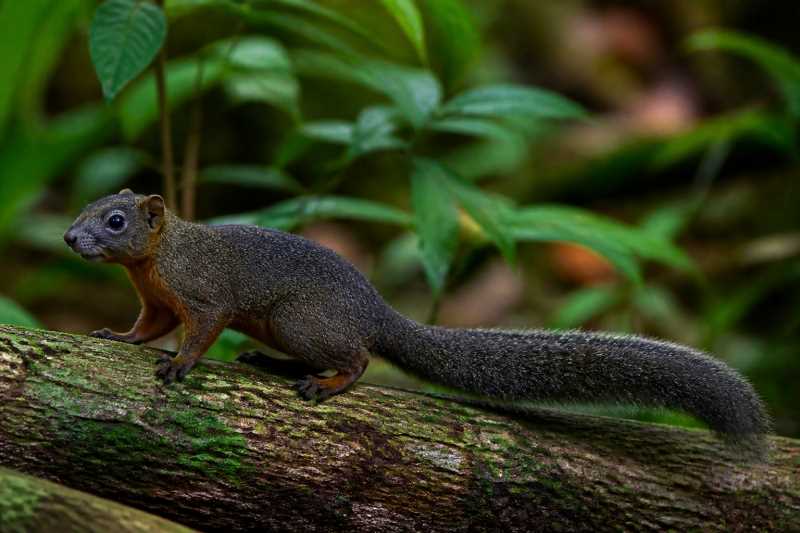
The fur of the Davao squirrel is generally a mix of brown and gray, providing excellent camouflage against the backdrop of tree bark and forest foliage. Its underparts are lighter, often a pale beige or cream color. The fur is dense and soft, which helps to keep the squirrel warm in cooler climates or at higher altitudes.
Its ears are small and rounded, with a slight tuft of fur at the tips. The eyes are large and dark, aiding in their nocturnal activities. The Davao squirrel, like other members of its family, has strong, sharp claws that are perfect for grasping tree bark and climbing.
Range and Habitat
The Davao squirrel is native to the southeastern part of the Philippines, specifically within the Mindanao region. The majority of its population is concentrated in the forests surrounding the city of Davao, from which it derives its name.
These squirrels are arboreal, meaning they spend most of their lives in trees. They prefer primary and secondary forests but can sometimes be found in plantations and agricultural areas, provided there is sufficient tree cover. The species thrives in both lowland and montane forests, indicating a high level of adaptability to different elevations and microclimates.
Behavior and Diet
The Davao squirrel is primarily diurnal, with peak activities occurring during the early morning and late afternoon. This activity pattern helps them avoid the hottest parts of the day and potential predators. They are known to be solitary creatures, with individuals maintaining their own territories and only coming together during the breeding season.
Their diet consists mainly of fruits, nuts, seeds, and occasionally insects. The Davao squirrel plays a crucial role in seed dispersal, which is vital for forest regeneration and maintaining biodiversity. By burying seeds and forgetting some of them, these squirrels contribute to the growth of new plants and trees.
Identification Tips (Field Recognition Cues)
To identify the Davao squirrel in the wild, look for the following characteristics:
- Size and Tail: Look for a small squirrel with a body length of 20 to 25 cm and a bushy tail measuring 15 to 20 cm.
- Fur Color: Observe the brown and gray fur with lighter underparts. This coloration helps them blend in with their surroundings.
- Ear Tufts and Eyes: Notice the small, rounded ears with tufts and the large, dark eyes.
- Behavior: Look for their diurnal activity, especially in the early morning and late afternoon.
Conservation Status (With Threats and Protections)
The conservation status of the Davao squirrel is currently classified as "Least Concern" by the International Union for Conservation of Nature (IUCN). However, this does not mean the species is free from threats.
The primary threat to the Davao squirrel is habitat loss due to deforestation, agricultural expansion, and urban development. Illegal logging and mining activities also pose significant risks to their natural habitats. Climate change could further exacerbate these threats by altering their habitat and food availability.
Conservation efforts are underway to protect the Davao squirrel’s habitat. Local and national policies aimed at sustainable forest management and reforestation can help mitigate habitat loss. Protected areas and wildlife reserves also provide safe havens for these and other endemic species.
Frequently Asked Questions
1. Where can I see the Davao squirrel in the wild? The Davao squirrel is best observed in the forests of the Mindanao region, particularly near Davao City. Look for them in both primary and secondary forests during early morning or late afternoon.
2. What do Davao squirrels eat? Davao squirrels primarily eat fruits, nuts, seeds, and insects. They play an essential role in seed dispersal, contributing to forest regeneration.
3. How do Davao squirrels contribute to the ecosystem? By dispersing seeds and aiding in forest regeneration, Davao squirrels help maintain biodiversity. They are a crucial part of their ecosystem’s health.
4. Are Davao squirrels endangered? Currently, the Davao squirrel is not considered endangered, but habitat loss poses a significant threat to their population.
5. How can I help protect the Davao squirrel? Supporting conservation efforts, promoting sustainable forestry practices, and raising awareness about habitat protection can help protect Davao squirrels.
Related posts