Introduction
The Moluccan Naked-backed Fruit Bat, scientifically known as Dobsonia moluccensis, is a fascinating species of megabat that resides in the tropical rainforests of the Moluccas and other parts of Southeast Asia. This unique bat species is notable for its role in seed dispersal and pollination, contributing to the health and diversity of its ecosystem. Despite its ecological importance, the Moluccan Naked-backed Fruit Bat faces numerous threats that have implications for its conservation status.
Physical Description
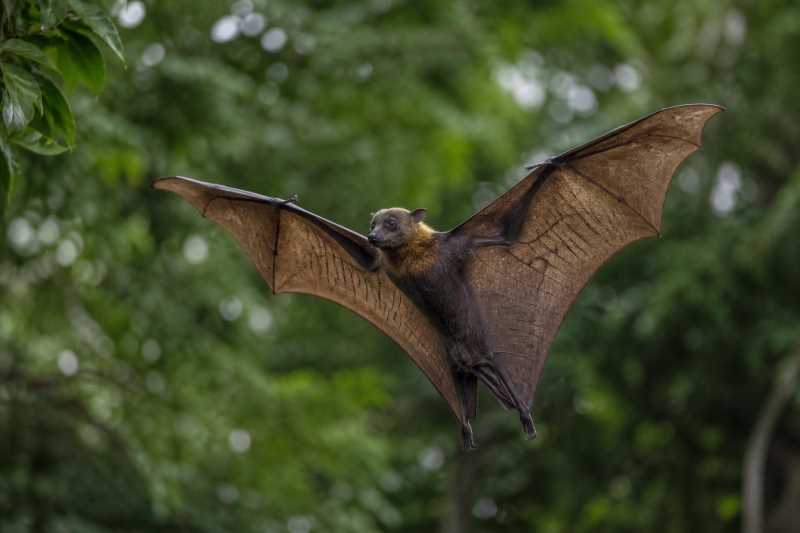
The Moluccan Naked-backed Fruit Bat is distinguished by its unique physical characteristics. It has a body length ranging from 16 to 22 cm and a wingspan of approximately 70 cm, making it a medium-sized bat within the Pteropodidae family. The most distinctive feature of this species is its ‘naked’ back, which lacks the fur commonly seen in other fruit bats. Instead, the wings attach directly to the spine, giving the appearance of a bare back.
Its fur is predominantly brown or grey, with lighter shades on the underparts. The head is fox-like, with large eyes adapted for night vision, essential for its nocturnal lifestyle. The ears are small and rounded, aiding in acute hearing. The Moluccan Naked-backed Fruit Bat’s tail is short, a characteristic feature of the genus Dobsonia.
Range and Habitat
The Moluccan Naked-backed Fruit Bat is endemic to the Moluccas, a group of islands in eastern Indonesia, but it can also be found in regions of Papua New Guinea and the northern parts of Australia. These bats thrive in tropical and subtropical forests, favoring mangroves, lowland rainforests, and sometimes disturbed habitats such as plantations.
Their habitats are often characterized by abundant fruiting trees, which provide essential food sources. The availability of roosting sites, such as caves and large trees, is also crucial for their survival. These bats often prefer roosting in large colonies to enhance protection against predators.
Behavior and Diet
The Moluccan Naked-backed Fruit Bat is primarily nocturnal, with peak activity occurring shortly after sunset. These social creatures often roost in large colonies during the day, which can include hundreds of individuals.
Their diet consists predominantly of fruit, including figs, guavas, and bananas, which they locate using their keen sense of smell and vision. As frugivores, these bats play a crucial role in seed dispersal, facilitating forest regeneration and biodiversity. Occasionally, they consume nectar and pollen, inadvertently aiding in the pollination of various plant species.
Identification Tips
Recognizing the Moluccan Naked-backed Fruit Bat in the field can be a rewarding experience for wildlife enthusiasts. Key identification tips include:
- Naked Back: Look for the distinctive lack of fur on the bat’s back where the wings attach.
- Fox-like Face: Note the large eyes and small rounded ears, typical of fruit bats.
- Wingspan: Observe the substantial wingspan, which aids in gliding over long distances.
- Roosting Habits: These bats often hang upside down in large colonies during the day, making them easier to spot in their natural habitat.
Conservation Status
The International Union for Conservation of Nature (IUCN) currently lists the Moluccan Naked-backed Fruit Bat as a species of Least Concern. However, this status belies the threats it faces, including habitat loss due to deforestation and land conversion for agriculture. Additionally, hunting for bushmeat and disturbance of roosting sites pose significant risks.
Conservation efforts are essential to protect this species and its habitat. Protected areas and sustainable forestry practices are crucial, as is raising awareness about the bat’s ecological role. Legal protections in some regions also help mitigate hunting pressures.
Frequently Asked Questions
What is the primary diet of the Moluccan Naked-backed Fruit Bat?
The Moluccan Naked-backed Fruit Bat primarily feeds on fruits such as figs, guavas, and bananas. They also consume nectar and pollen, contributing to seed dispersal and pollination.
Where can the Moluccan Naked-backed Fruit Bat be found?
This bat species is endemic to the Moluccas in eastern Indonesia and is also found in Papua New Guinea and northern Australia. They inhabit tropical and subtropical forests, including mangroves and rainforests.
How does the Moluccan Naked-backed Fruit Bat contribute to its ecosystem?
As frugivores, these bats play a significant role in seed dispersal, aiding forest regeneration. Their consumption of nectar and pollen also contributes to the pollination of various plant species.
What are the main threats to the Moluccan Naked-backed Fruit Bat?
The primary threats include habitat loss due to deforestation and land conversion, hunting for bushmeat, and disturbance of roosting sites. Conservation efforts are crucial to mitigate these threats.
How can one identify the Moluccan Naked-backed Fruit Bat in the wild?
Key identification features include the bat’s naked back, fox-like face with large eyes and small ears, and its substantial wingspan. They often roost in large colonies, making them more visible during the day.
Related posts