Introduction
The Angolan African Dormouse (Graphiurus angolensis) is a small, elusive rodent species native to Africa. This nocturnal mammal is part of the family Gliridae, which encompasses a variety of dormouse species. Known for its charming appearance and agile nature, the Angolan African Dormouse has intrigued biologists and nature enthusiasts alike. Despite its seemingly inconspicuous existence, this species plays a crucial role in its ecosystem, contributing to seed dispersal and serving as prey for various predators. This article delves into the fascinating world of the Angolan African Dormouse, exploring its physical characteristics, habitat, behavior, and conservation status.
Physical Description
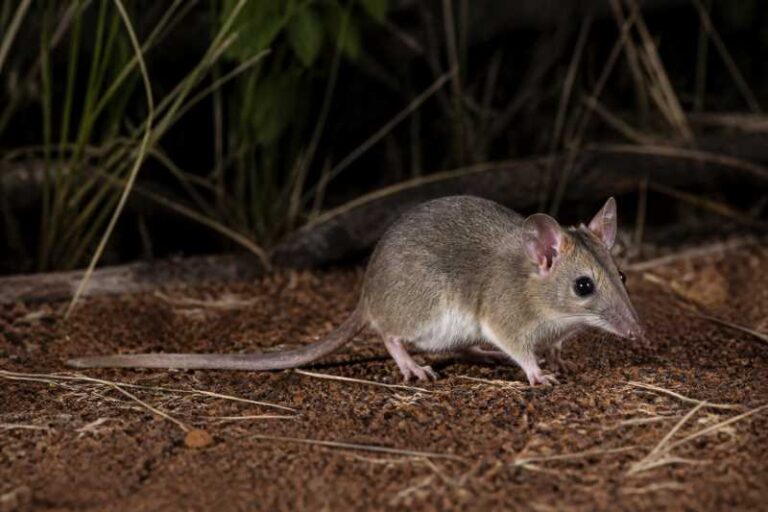
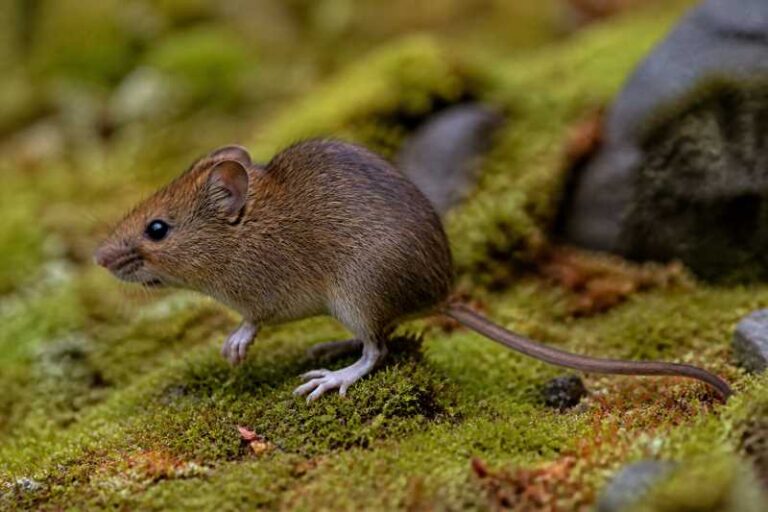
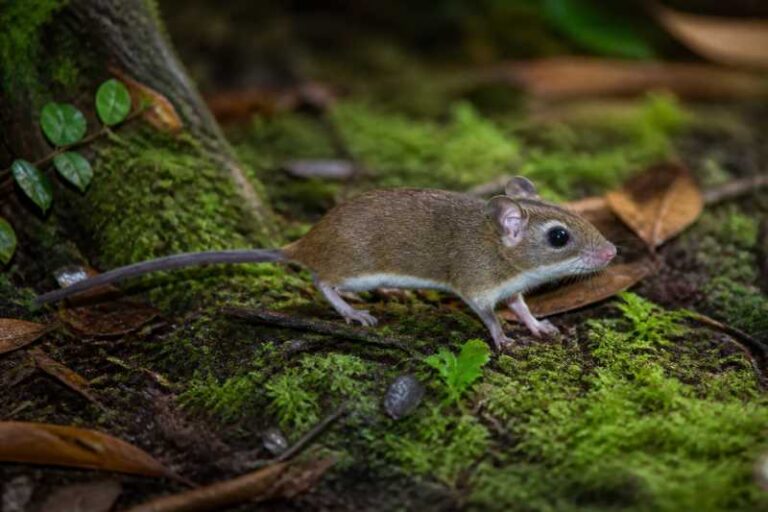
The Angolan African Dormouse is a small, agile rodent, with a body length ranging from 7 to 9 centimeters, and a tail that extends an additional 6 to 10 centimeters. This bushy tail is not only visually striking but also serves as a key balancing tool, aiding the dormouse in its arboreal lifestyle. Weighing between 15 and 30 grams, this diminutive mammal is characterized by its soft, dense fur, which is typically gray or brown, providing excellent camouflage against tree bark and foliage.
One of the most distinctive features of the Angolan African Dormouse is its large, round eyes, which are well-adapted for nocturnal activity. These eyes are surrounded by dark rings, accentuating their size and enhancing night vision. The dormouse also possesses small, rounded ears and a pointed snout, equipped with whiskers that aid in navigating its environment. Its limbs are short but strong, with sharp claws that facilitate climbing and foraging.
Range and Habitat
The Angolan African Dormouse is predominantly found in southwestern Africa, with its range extending across Angola, Namibia, and parts of Zambia. This species favors habitats that offer ample cover and food resources, such as woodlands, savannas, and forested areas. It is particularly associated with regions that have dense underbrush and abundant tree cover, which provide both protection from predators and suitable nesting sites.
In these habitats, the dormouse constructs nests in tree cavities, abandoned bird nests, or dense foliage. These nests serve as safe havens for resting during the day and raising young. The choice of habitat is influenced by the availability of food sources, such as fruits, seeds, and insects, which are abundant in these environments.
Behavior and Diet
The Angolan African Dormouse is primarily nocturnal, spending its nights foraging for food and its days resting in its nest. This nocturnal lifestyle helps it avoid many daytime predators and take advantage of cooler nighttime temperatures. The dormouse is an omnivorous species, with a diet consisting of fruits, seeds, insects, and occasionally small vertebrates. This varied diet not only provides essential nutrients but also plays a role in seed dispersal, as the dormouse can transport seeds away from the parent plant, aiding in plant propagation.
Socially, the Angolan African Dormouse is generally solitary, except during the breeding season or when raising young. Communication is facilitated through vocalizations, scent markings, and visual signals, which help establish territory and attract mates. Breeding typically occurs during the wetter months when food is plentiful, resulting in litters of two to five young. These juveniles are cared for by the mother until they are independent.
Identification Tips (field recognition cues)
Identifying the Angolan African Dormouse in the field requires keen observation skills, given its small size and nocturnal habits. Key identification cues include:
- Size and Shape: Look for a small, compact rodent with a bushy tail roughly equal in length to its body.
- Coloration: Note the gray or brown fur, which blends seamlessly with tree bark and foliage.
- Eyes and Ears: Observe the large, round eyes and small, rounded ears, both adaptations for nocturnal life.
- Behavior: Spot the dormouse at night, often in trees or dense underbrush, where it forages for food.
Conservation Status (with threats and protections)
Currently, the Angolan African Dormouse is classified as "Least Concern" by the International Union for Conservation of Nature (IUCN). However, like many wildlife species, it faces threats from habitat loss, primarily due to deforestation and land conversion for agriculture. These activities reduce available habitat and food resources, impacting dormouse populations.
Conservation efforts focus on habitat preservation and the establishment of protected areas that safeguard crucial ecosystems. Education and awareness campaigns also play a vital role in promoting the importance of biodiversity and the need to protect species like the Angolan African Dormouse. Continued research and monitoring are essential to assess population trends and implement effective conservation strategies.
Frequently Asked Questions
1. What is the typical lifespan of an Angolan African Dormouse?
The Angolan African Dormouse typically lives for about 3 to 5 years in the wild. However, lifespan can vary depending on environmental conditions and predation pressure.
2. How does the Angolan African Dormouse contribute to its ecosystem?
This dormouse plays a crucial role in seed dispersal, helping plant species propagate by transporting seeds away from the parent plant. It also serves as prey for a variety of predators, thus contributing to the food web.
3. Are Angolan African Dormice social animals?
Generally, Angolan African Dormice are solitary, except during breeding seasons or when caring for young. They communicate through vocalizations, scent markings, and visual signals.
4. What adaptations help the Angolan African Dormouse survive in its environment?
Key adaptations include nocturnal vision, a bushy tail for balance, and sharp claws for climbing. These features enable the dormouse to navigate its arboreal habitat effectively.
5. What can be done to protect the Angolan African Dormouse?
Protecting its natural habitat through conservation initiatives and establishing protected areas are crucial steps. Public education and research also help in promoting conservation efforts.
Related posts