Introduction
The Disk-footed Bat, scientifically known as Eudiscopus denticulus, is a fascinating species of bat that garners interest among mammalogists and wildlife enthusiasts alike. This unique species, part of the family Vespertilionidae, is distinguished by its specialized foot structure, which is a rarity among bats. Known for its adaptability and distinctive physical traits, the Disk-footed Bat provides valuable insights into the diverse adaptations of chiropterans. This article delves into the various aspects of the Disk-footed Bat, from its physical characteristics to its ecological role and conservation status.
Physical Description
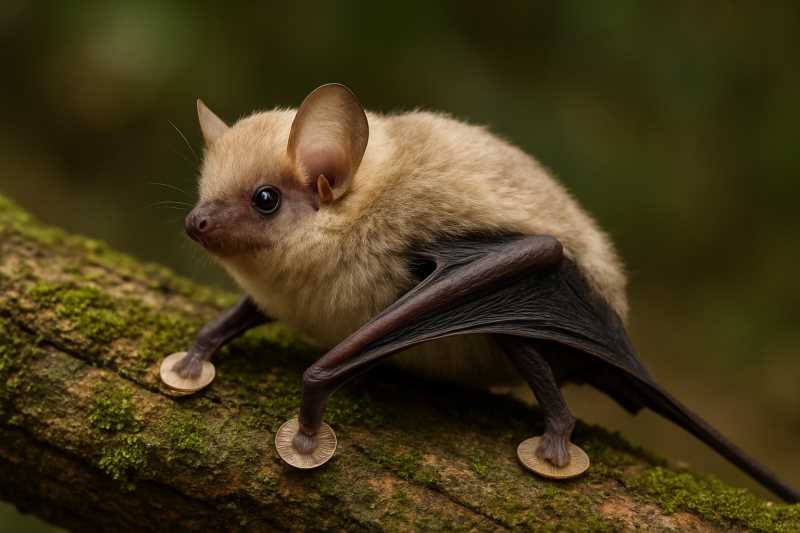
The Disk-footed Bat is relatively small, with a forearm length ranging between 30 and 35 millimeters. The species is aptly named due to the peculiar disk-like pads located on its thumbs and feet. These adhesive pads are an evolutionary adaptation that aids in climbing and gripping smooth surfaces, a feature not commonly seen in most bat species.
The pelage of Eudiscopus denticulus is typically a soft, velvety texture, varying in color from dark brown to a lighter grayish hue. These colors provide excellent camouflage in their natural habitats. The bat’s ears are moderately sized, with a rounded shape, and its eyes are small but keen, adapted for nocturnal activities.
One of the most distinctive features of the Disk-footed Bat is its dental structure. The species name "denticulus" refers to the small, sharp teeth that are perfectly adapted for its insectivorous diet. The combination of these physical traits makes the Disk-footed Bat a unique subject for study in the field of mammalogy.
Range and Habitat
Eudiscopus denticulus is predominantly found in the regions of Southeast Asia, with confirmed sightings in countries such as Thailand, Vietnam, and Laos. This bat species prefers tropical and subtropical environments, thriving in moist, dense forests and occasionally in caves and rock crevices.
The habitat preferences of the Disk-footed Bat are influenced by its need for roosting sites that provide safety from predators and proximity to abundant food sources. The bat’s adhesive foot pads allow it to roost in a variety of vertical surfaces, including smooth tree trunks and cave walls. This ecological flexibility enables the species to inhabit a range of environments, from lowland forests to higher altitudinal zones.
Behavior and Diet
The Disk-footed Bat is primarily nocturnal, engaging in most of its foraging activities during the night. Its diet mainly consists of small insects, including moths, beetles, and other flying arthropods. The bat employs echolocation to navigate and hunt, using ultrasonic calls to pinpoint and capture prey with remarkable precision.
Socially, Eudiscopus denticulus is known to form small colonies, although solitary roosting is also observed. The social structure of these colonies is not extensively studied, but they are believed to exhibit a loose organization, with individuals foraging independently. Communication within these groups is facilitated through vocalizations and possibly chemical signals.
Identification Tips (Field Recognition Cues)
Identifying the Disk-footed Bat in the field can be challenging due to its small size and nocturnal habits. However, certain key features can aid in recognition:
- Disk-like Foot Pads: The presence of adhesive pads on the thumbs and feet is a distinctive trait that sets this species apart from other bats.
- Fur Coloration: Look for the characteristic dark brown to grayish pelage that blends well with the bark of trees and cave surfaces.
- Forearm Length: Measuring between 30 and 35 millimeters, the forearm length is a useful metric for distinguishing Eudiscopus denticulus from similar-sized species.
- Roosting Behavior: Observing the bat’s preference for smooth vertical surfaces can provide clues to its identification.
Conservation Status (With Threats and Protections)
The Disk-footed Bat is currently listed as "Least Concern" on the IUCN Red List. However, like many bat species, it faces potential threats from habitat destruction, primarily due to deforestation and land conversion for agriculture.
Conservation efforts for Eudiscopus denticulus focus on habitat preservation and the protection of forest ecosystems. Legal protections in some regions help mitigate the impacts of human encroachment, but ongoing efforts are necessary to ensure the species’ long-term survival.
Research and monitoring programs are essential to understand the population dynamics and ecological needs of the Disk-footed Bat. Public awareness campaigns and community engagement are also critical in fostering a conservation ethic and promoting sustainable land-use practices.
Frequently Asked Questions
1. What is the unique feature of the Disk-footed Bat?
The Disk-footed Bat is unique due to its specialized adhesive pads on its thumbs and feet, which allow it to climb and roost on smooth surfaces.
2. Where can the Disk-footed Bat be found?
This species is primarily found in Southeast Asia, including Thailand, Vietnam, and Laos, favoring tropical and subtropical forests.
3. What is the primary diet of the Disk-footed Bat?
The Disk-footed Bat’s diet mainly consists of insects such as moths and beetles, which it hunts using echolocation during the night.
4. How does habitat destruction affect the Disk-footed Bat?
Habitat destruction, particularly deforestation, poses a significant threat to the Disk-footed Bat by reducing available roosting sites and food sources.
5. What measures are in place to protect the Disk-footed Bat?
Conservation measures include habitat preservation, legal protections, and public awareness initiatives to promote sustainable environmental practices.
Related posts