Allen’s Woodrat (Hodomys alleni): A Comprehensive Guide
Introduction
Allen’s Woodrat, scientifically known as Hodomys alleni, is a fascinating mammal species belonging to the family Cricetidae. Named after its discoverer, this species is known for its unique ecological role and distinctive behaviors. Found primarily in specific regions of Mexico, Allen’s Woodrat provides essential insights into the biodiversity of North America’s rodent population. This article delves into the various aspects of Allen’s Woodrat, including its physical characteristics, habitat preferences, behaviors, and conservation status.
Physical Description
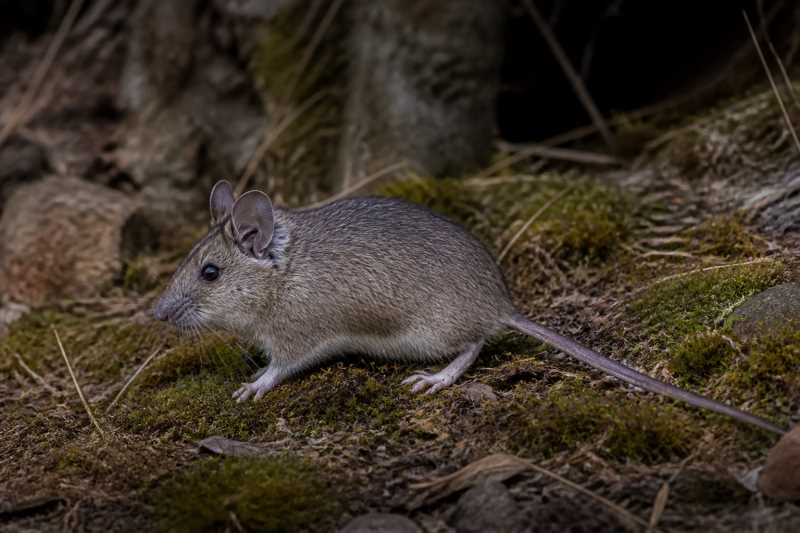
Allen’s Woodrat is a medium-sized rodent characterized by its robust body and distinctive pelage. Typically, adults measure between 300 to 400 millimeters in length, including a tail length of about 150 to 200 millimeters. The average weight ranges from 250 to 350 grams, making it a relatively large member of the rodent family.
The fur of Allen’s Woodrat is generally a dusky brown on the dorsal side, gradually transitioning to a lighter shade on the ventral side. This coloration provides effective camouflage against predators in its natural habitat. The ears are relatively large and rounded, aiding in acute hearing, while the eyes are prominent, contributing to its nocturnal lifestyle.
One of the most distinguishing features of Allen’s Woodrat is its bushy tail, which serves multiple purposes, including balance and communication. The tail is covered with long, coarse hairs, which are often darker on the top than the underside.
Range and Habitat
Allen’s Woodrat is primarily found in the mountainous regions of western Mexico, with a range extending across the Sierra Madre Occidental and Sierra Madre del Sur. The species thrives in arid and semi-arid environments, often inhabiting rocky outcrops, canyons, and scrublands.
These woodrats prefer habitats with ample cover and a variety of plant species that provide both food and nesting materials. The presence of dense vegetation, such as cacti, shrubs, and small trees, is crucial for their survival, offering protection from predators and harsh weather conditions.
Behavior and Diet
Allen’s Woodrat is predominantly nocturnal, emerging from its burrows at dusk to forage for food. Its diet is primarily herbivorous, consisting of a variety of plant materials including leaves, stems, seeds, and fruits. The woodrat is particularly fond of mesquite beans and cacti, which provide essential nutrients and hydration.
Behaviorally, Allen’s Woodrat is known for its solitary and territorial nature. Individuals maintain and defend their own territories, often marked by middens – piles of debris consisting of feces, plant material, and small rocks. These middens serve as both food storage sites and communication posts, conveying information through scent markings.
Identification Tips
Identifying Allen’s Woodrat in the field requires keen observation and knowledge of specific cues. Here are some tips to help distinguish this species:
- Size and Shape: Look for a medium-sized rodent with a robust body and a bushy tail.
- Coloration: Note the dusky brown fur with lighter underparts.
- Behavior: Observe nocturnal activity patterns and solitary behaviors.
- Habitat: Focus on rocky and vegetated areas within its known range in Mexico.
- Middens: Look for characteristic debris piles that indicate territorial presence.
Conservation Status
Currently, Allen’s Woodrat is classified as a species of Least Concern by the International Union for Conservation of Nature (IUCN). However, habitat loss due to agricultural expansion and deforestation poses significant threats to its population.
The primary conservation efforts focus on habitat preservation and management. Protected areas within its range provide a refuge from human encroachment, while ongoing research aims to better understand its ecological needs and adaptability to changing environments.
Frequently Asked Questions
What is the typical lifespan of Allen’s Woodrat?
The typical lifespan of Allen’s Woodrat in the wild ranges from 2 to 3 years. Factors such as predation, food availability, and environmental conditions can influence their longevity.
How does Allen’s Woodrat communicate with other woodrats?
Allen’s Woodrat primarily communicates through scent markings found in their middens. These scent cues convey information about territory boundaries and individual identity.
Are Allen’s Woodrats solitary or social animals?
Allen’s Woodrats are generally solitary animals. They maintain individual territories and only come together for mating purposes.
What are the main predators of Allen’s Woodrat?
Common predators of Allen’s Woodrat include owls, snakes, and carnivorous mammals such as foxes and coyotes.
How can we help in the conservation of Allen’s Woodrat?
Supporting habitat conservation initiatives and raising awareness about the importance of biodiversity can contribute to the conservation of Allen’s Woodrat and its habitat.
Related posts