Understanding the Malagasy Kestrel: A Jewel of Madagascar’s Skies
Introduction
The Malagasy Kestrel (Falco newtoni), a captivating raptor endemic to Madagascar and the Comoros Islands, is a member of the Falconidae family. Known locally as "Fandrika," this bird of prey is a testament to the unique biodiversity of the region. The Malagasy Kestrel is not only an integral part of Madagascar’s avifauna but also plays a crucial role in the island’s ecosystems. This article delves into the various aspects of the Malagasy Kestrel, from its taxonomy and distribution to its behavior, ecology, and conservation status.
Taxonomy and Classification
The Malagasy Kestrel was first described by George Robert Gray in 1863 and belongs to the genus Falco, which encompasses a wide variety of falcon species known for their keen hunting skills and impressive flying abilities. Falco newtoni is named in honor of Sir Edward Newton, a British colonial administrator and ornithologist. As a member of the Falconidae family, the Malagasy Kestrel shares characteristics with other small to medium-sized raptors, such as sharp talons and hooked beaks designed for hunting and consuming prey.
Physical Characteristics
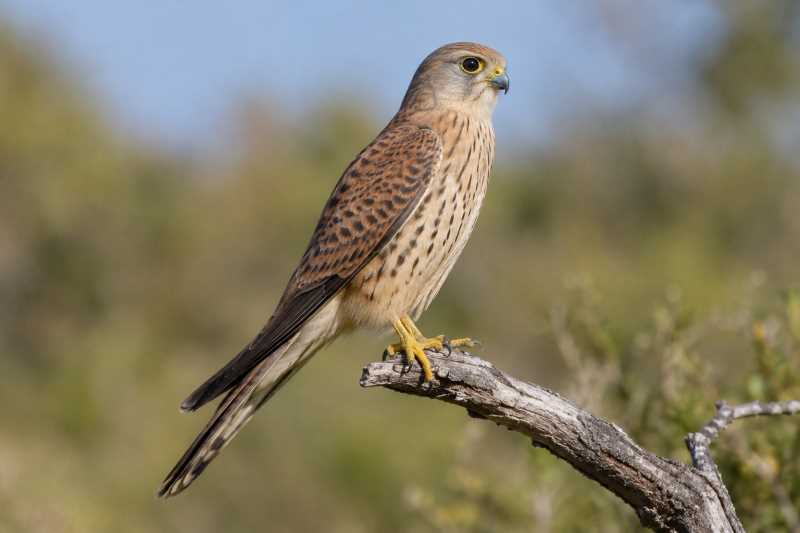
The Malagasy Kestrel is a small bird of prey, measuring approximately 27 to 30 centimeters in length, with a wingspan ranging from 55 to 68 centimeters. This raptor exhibits sexual dimorphism, with females generally larger than males. The plumage of the Malagasy Kestrel is striking, characterized by its rufous-brown back, pale underparts, and a distinctive grey head with a dark moustachial stripe. Its tail is barred with black bands, and the wings are pointed, aiding in swift and agile flight. The eyes are large and dark, keenly adapted for spotting prey from great distances.
Habitat and Distribution
The Malagasy Kestrel is predominantly found in a variety of habitats across Madagascar, including open woodlands, savannas, and grasslands. It is adaptable and can also be seen in agricultural areas and urban environments, demonstrating a remarkable ability to thrive in different landscapes. The kestrel’s presence is not limited to the mainland of Madagascar; it also inhabits the Comoros Islands, further showcasing its adaptability. While the species is widely distributed, its population density can vary significantly depending on the availability of prey and suitable nesting sites.
Behavior and Diet
As a diurnal raptor, the Malagasy Kestrel is most active during the day, particularly in the early morning and late afternoon. Its hunting techniques are diverse and adaptable; it employs a combination of perching and hovering to locate prey. The diet of the Malagasy Kestrel primarily consists of insects such as grasshoppers and locusts, but it also preys on small mammals, reptiles, and birds. This opportunistic feeding behavior is a key factor in its ability to inhabit various environments.
Reproduction and Lifespan
The breeding season for the Malagasy Kestrel typically occurs from September to December, coinciding with the rainy season in Madagascar. During this period, pairs engage in courtship displays that include aerial acrobatics and vocalizations. The species is known to be monogamous, with pairs often returning to the same nesting sites each year. Nesting sites are usually located on cliffs, in tree cavities, or on buildings. The female lays a clutch of two to five eggs, which she incubates for about 28 to 30 days. Both parents participate in feeding the chicks, which fledge after approximately 30 to 35 days. The lifespan of the Malagasy Kestrel in the wild is estimated to be around 10 to 15 years, although this can vary based on environmental conditions and predation pressure.
Conservation Status and Threats
The International Union for Conservation of Nature (IUCN) currently classifies the Malagasy Kestrel as a species of Least Concern, reflecting its relatively stable population. However, like many species in Madagascar, the kestrel faces several threats that could impact its future. Habitat destruction due to deforestation, agriculture, and urbanization poses a significant risk. Additionally, the use of pesticides in agricultural areas can reduce the availability of prey and expose the birds to toxic substances.
Despite these challenges, the Malagasy Kestrel has shown resilience, partly due to its adaptability and ability to coexist with humans in modified landscapes. Conservation efforts in Madagascar aimed at preserving natural habitats and promoting sustainable agricultural practices are crucial in ensuring the long-term survival of this species.
Cultural Significance
In Malagasy culture, the kestrel holds a place of respect and admiration, often symbolizing agility and keen sight. Local communities occasionally depict the bird in art and folklore, reflecting its prominence in the natural environment and daily life. Efforts to raise awareness about the kestrel and its ecological role are essential for fostering community support for conservation initiatives.
Conclusion
The Malagasy Kestrel stands out as a remarkable representative of Madagascar’s rich biodiversity. Its adaptability, striking appearance, and ecological significance make it a subject of interest for ornithologists and conservationists alike. While it currently enjoys a stable population, ongoing conservation efforts are necessary to mitigate the threats it faces and ensure that future generations can continue to admire this splendid raptor in its natural habitat.
References
- Sinclair, I., Langrand, O. (1998). "Birds of the Indian Ocean Islands." Struik Publishers.
- Ferguson-Lees, J., Christie, D.A. (2001). "Raptors of the World." Houghton Mifflin Harcourt.
- BirdLife International (2021). "Falco newtoni." The IUCN Red List of Threatened Species.
Related posts