Annandale’s Sundaic Rat (Sundamys annandalei): An In-Depth Exploration
Introduction
Annandale’s Sundaic Rat, scientifically known as Sundamys annandalei, is a fascinating rodent species residing predominantly in Southeast Asia. This elusive mammal is part of the Muridae family, which includes a wide array of rodents known for their adaptability and diversity. Named after the prominent British zoologist Nelson Annandale, this species is an integral part of the biodiversity in its native ecosystems, playing a crucial role in maintaining ecological balance.
Understanding this species is vital not only for appreciating the rich tapestry of life in Southeast Asia but also for conservation efforts that aim to protect the unique habitats these animals call home. In this comprehensive guide, we delve into the various aspects of Annandale’s Sundaic Rat, from its physical description to its behavior, diet, and conservation status.
Physical Description
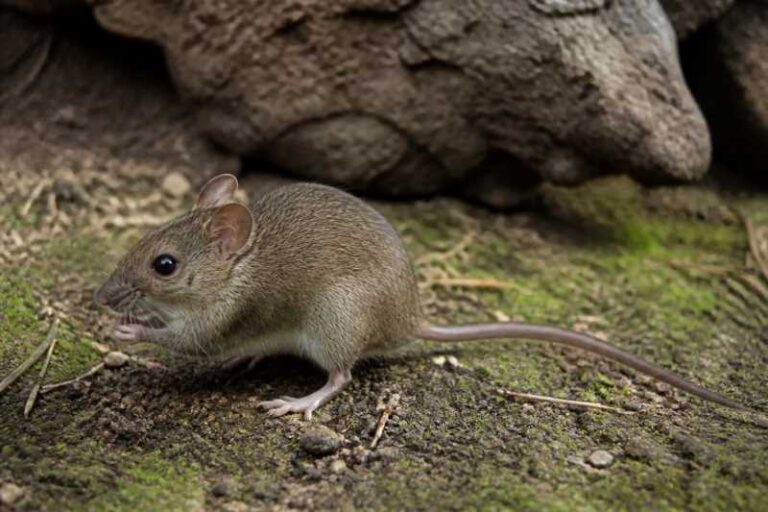
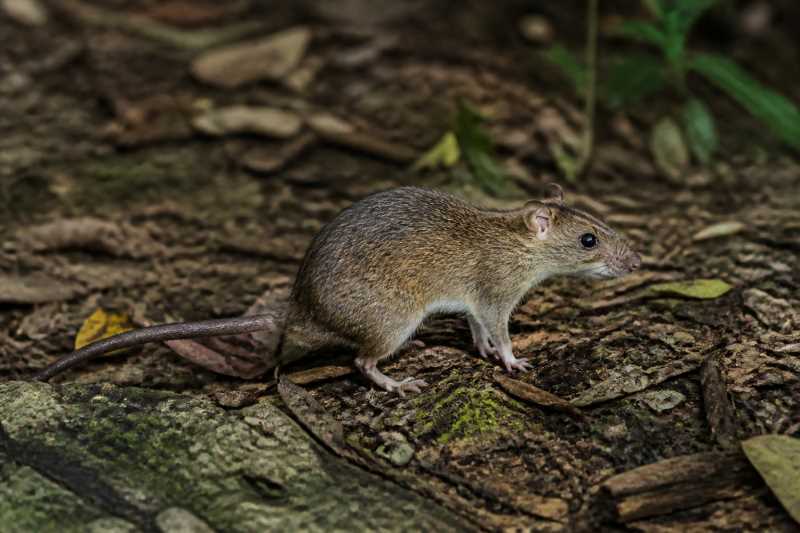
Annandale’s Sundaic Rat is a medium-sized rodent characterized by its distinctive physical features. The species typically measures between 20 to 25 centimeters in body length, with a tail that is slightly longer than its body, aiding in balance and agility. The fur of Sundamys annandalei is coarse and shaggy, predominantly brownish-gray, providing excellent camouflage against the forest floor.
The rat’s eyes are relatively large, an adaptation that enhances its nocturnal lifestyle by improving night vision. Its ears are rounded and sensitive, capable of detecting subtle sounds in the dense underbrush. The claws are sharp and curved, ideal for climbing and foraging, while its long whiskers are highly sensitive, helping it navigate through dark environments.
Range and Habitat
Annandale’s Sundaic Rat is primarily found in the Sundaic region, which encompasses the Malay Peninsula, Borneo, Sumatra, and other nearby islands. This species thrives in tropical and subtropical forests, including both lowland and montane rainforests. It prefers dense, humid environments with plenty of ground cover and fallen logs, which provide shelter and foraging opportunities.
The rat is also known to inhabit secondary forests and sometimes agricultural areas adjacent to its natural habitat, demonstrating a degree of adaptability. However, its presence in these altered environments is less common, as it prefers the undisturbed forest floor for its complex network of burrows and feeding sites.
Behavior and Diet
Annandale’s Sundaic Rat is predominantly nocturnal, spending daylight hours in burrows or hidden among dense foliage. At night, it becomes active, foraging for food and exploring its territory. The species is solitary, with individuals maintaining distinct home ranges that they defend from intruders.
The diet of Sundamys annandalei is omnivorous, consisting of fruits, seeds, insects, and small vertebrates. This varied diet allows the rat to adapt to seasonal changes in food availability. Its foraging behavior plays a significant role in seed dispersal, contributing to forest regeneration and biodiversity.
Identification Tips (Field Recognition Cues)
Identifying Annandale’s Sundaic Rat in the field requires attention to several key characteristics:
- Size and Tail: Look for a medium-sized rodent with a body length of 20-25 cm and a tail longer than its body, used for balance.
- Fur and Coloration: Note the coarse, shaggy fur that is brownish-gray, providing camouflage against the forest floor.
- Ears and Eyes: Observe the rounded, sensitive ears and relatively large eyes, adaptations for nocturnal activity.
- Habitat: Check for presence in dense tropical forests, often near fallen logs and thick underbrush.
- Behavior: Watch for nocturnal activity and solitary behavior, as these rats are typically active at night and maintain individual territories.
Conservation Status (With Threats and Protections)
Annandale’s Sundaic Rat is currently listed as a species of Least Concern by the International Union for Conservation of Nature (IUCN). However, this status does not imply that the species is free from threats. Habitat loss due to deforestation, agriculture, and urban development poses significant risks to its natural habitat.
The conversion of forested areas into palm oil plantations and other agricultural uses is particularly detrimental. Additionally, climate change may alter the delicate balance of tropical ecosystems, further threatening the species’ survival.
Conservation efforts for Sundamys annandalei focus on habitat preservation and restoration. Protected areas and national parks in the Sundaic region offer some refuge, but more comprehensive measures are needed to address the broader environmental challenges.
Frequently Asked Questions
1. What is the primary habitat of Annandale’s Sundaic Rat?
Annandale’s Sundaic Rat primarily inhabits tropical and subtropical forests in the Sundaic region, including the Malay Peninsula, Borneo, and Sumatra. It prefers dense, humid environments with ample ground cover.
2. How does Annandale’s Sundaic Rat contribute to its ecosystem?
As an omnivorous forager, Annandale’s Sundaic Rat plays a crucial role in seed dispersal and forest regeneration. Its varied diet helps maintain ecological balance and promotes biodiversity.
3. What are the main threats to Annandale’s Sundaic Rat?
The main threats to Annandale’s Sundaic Rat include habitat loss due to deforestation, agricultural expansion, and urban development, as well as the impacts of climate change on tropical ecosystems.
4. How can Annandale’s Sundaic Rat be identified in the wild?
To identify Annandale’s Sundaic Rat, look for a medium-sized rodent with a long tail, brownish-gray shaggy fur, large eyes, and rounded ears, typically active at night in dense forest environments.
5. What conservation measures are in place for Annandale’s Sundaic Rat?
Conservation measures include habitat preservation and restoration efforts within protected areas and national parks. However, broader strategies are needed to mitigate habitat loss and other environmental threats.
Related posts